
The complete guide
A Buyer's Guide to One Metre Black Cotton Fabric
Start with the project, not just the colour
A fabric that suits a patchwork block may not suit a fitted garment. Even when the colour is right, the amount in the pack can decide whether your idea will work.
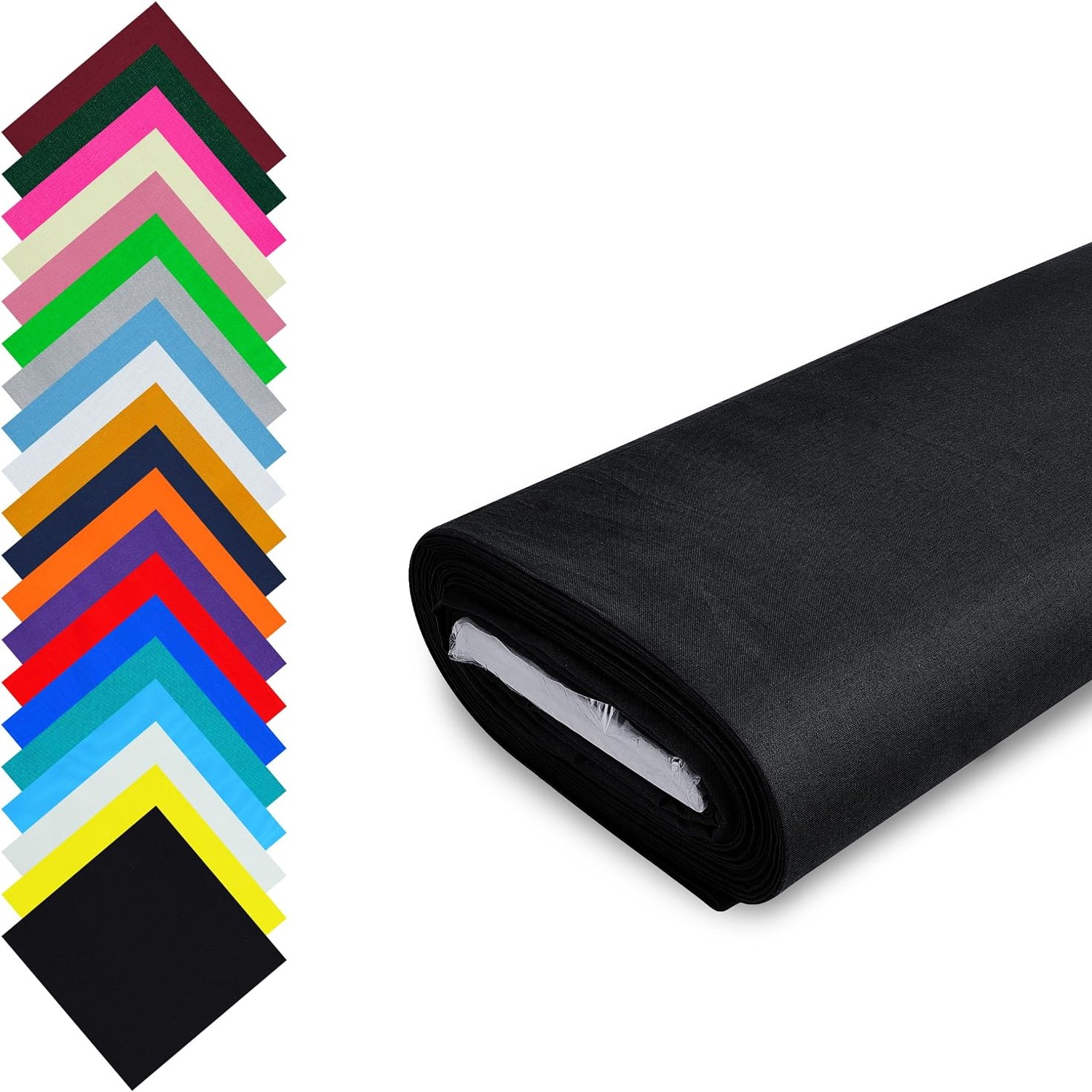
This cotton fabric by the metre is supplied as one precut piece. It measures 1 metre long and 147.5 cm (58 in) wide. It is 100% cotton with a plain weave and a solid black finish.
Those details give you a useful starting point. Before buying, compare them with your pattern, think about how the finished item will be washed, and allow for the stated 10% shrinkage. A little planning now can save you from cutting pieces that turn out too small.
Understand exactly what you are buying
The key point is that this is a fixed-size piece, not a custom cutting service. You receive one precut length measuring 1 metre by 147.5 cm. We do not cut it to your chosen measurements.
That matters if your project needs a long, unbroken panel. Ordering several pieces should not be treated as a way to obtain a continuous length. Each piece needs to fit into your cutting plan on its own.
For a small project, a defined piece can make planning straightforward. Draw the available rectangle on paper and sketch your pattern pieces inside it. Keep grain direction, seam allowances and any extra pieces in mind. If the layout only just fits before washing, you may need more fabric than this single piece provides.
What the fabric details tell you
The fabric is listed as 100% cotton, with a plain weave and a thread count of 120. Its stated fabric weight is 150 gsm, described as medium weight.
The 150 gsm figure describes weight per square metre. The maker's description also lists an item weight of 150 g. Use the fabric weight when comparing it with a pattern's suggested material, rather than treating the item weight as a guide to thickness.
These figures do not tell you everything about how the fabric will behave. Opacity, exact drape and stretch performance are not specified. If your design depends on any of those qualities, assess them before washing or cutting. There is no need to guess from a photograph alone.
Who this plain cotton may suit
This material is listed for sewing, quilting, dressmaking, crafts, home decor and DIY projects. That gives it a broad range of possible uses, but your pattern should still make the final decision.
For someone learning to sew, a solid colour avoids the extra task of matching printed motifs. You can focus on the layout, seams and finish. A small practice piece is still useful before starting the main project, especially if you are trying a new seam or stitch setting.
More experienced makers may want plain black cotton to sit beside a print or form part of a patchwork design. It can also be considered for a small standalone project that calls for woven cotton. The important test is whether the pattern suits this fibre, weight and available size.
Choosing cotton for dressmaking
When choosing dressmaking cotton fabric, start with the pattern envelope or instructions. Look for the suggested fabric types and the amount needed at a comparable width. A pattern intended for stretch material is not a direct match for a woven fabric with no stretch fibre specified.
Do not assume that one metre will make a whole garment. Size, sleeve shape, garment length and cutting layout all affect the amount required. Facings, pockets and ties can use more cloth than expected.
Think about the finished shape as well. If a design needs a very fluid fall or a firm structure, the fibre name alone cannot confirm suitability. Check the fabric before committing to the cut. A careful choice at this stage is easier than trying to change the character of a finished garment.
Using black cotton in quilting and crafts
Quilting cotton fabric is often chosen to work with other pieces, so consider the whole project rather than this piece alone. A solid black section can frame a patterned block, separate colours or become part of the main design.
For patchwork, work out your cutting needs before buying. Small pieces can still use a surprising amount of fabric once seam allowances and trimming are included. Remember that a cutting error may leave an offcut too small for a replacement patch.
For cotton craft fabric, the same planning applies. Draw out the parts, including folded edges and hems, rather than measuring only the finished item. Keep useful leftovers together so they are easy to find later. A small labelled offcut can also serve as a test piece for stitches or pressing.
Check the size after allowing for shrinkage
The care information says to allow 10% shrinkage. This is an important part of the buying decision, not just a note for wash day.
If your pattern needs the full metre of usable length, do not assume the unwashed piece will still meet that need after preparation. Leave room in your plan and check the fabric again once it has been washed and dried.
Avoid cutting exact-size pieces first and hoping they will stay the same. For washable projects, preparing the fabric before the final layout helps you work with the size you actually have. Measure the prepared piece, then place all the pattern parts before cutting any of them. This also gives you a chance to spot a layout problem while changes are still possible.
Inspect first, then prepare
Before washing, unfold the piece and check that its size, colour and general appearance suit your needs. Look at it in good light. If coverage matters, hold it against light to assess it rather than relying on an unstated opacity claim.
This first check is especially important because washing changes your return options. The stated return conditions require the fabric to remain unwashed, uncut, unused and in its original packaging.
Once you have decided to keep it, follow the supplied care guidance. Wash separately on the first wash, machine wash at 60°C and tumble dry on a cool setting. The instructions do not specify an ironing temperature, so test your chosen setting on a small offcut before pressing the main piece.
Plan the cut before using the scissors
A good layout makes a fixed-size precut cotton fabric piece go further. Spread it on a clean, flat surface and check that it is lying evenly. Follow your pattern's grain markings and fold instructions.
Place every required part before cutting. Include less obvious pieces such as facings and pocket sections, and check whether anything must be cut twice or as a mirrored pair. It is easy to use the most convenient area first and then discover that a longer piece no longer fits.
Use marks you can see on black fabric, but test them on a small spare area first. Check whether they can be removed as intended. Take the same approach with stitches and pressing. A quick test is a small cost compared with having to replace a main panel.
Think about the finished item's care
The fabric's care instructions are a starting point for your project. Other parts of a finished item may have different needs, including thread, trims, lining or interfacing.
Choose those additions with the intended washing routine in mind. If you combine this cotton with another fabric, check that their care needs can work together. A patchwork or craft project is easier to look after when its parts have compatible instructions.
Keep a note of the original fabric care with your sewing supplies. If you give the finished item to someone else, pass on suitable care information for the whole item. Do not assume that adding a trim leaves every original care setting unchanged.
Delivery, returns and checking suitability
We sell in the UK, but the maker's description does not specify a delivery lead time. Check the delivery information when placing your order, especially if the fabric is needed for a class, gift or planned sewing day.
Returns are available within 14 days of delivery when the fabric is unwashed, uncut, unused and in its original packaging. The customer pays return postage. Keep the packaging while you check whether the piece is right for your project.
Faulty or wrongly described goods are put right free of charge. If something appears wrong, raise it before washing or cutting so the issue can be assessed without further changes to the fabric.
The short version
Choose this black cotton fabric when your project calls for plain woven cotton and fits within a single precut piece measuring 1 metre long and 147.5 cm wide.
It offers a stated 150 gsm fabric weight, 100% cotton composition and a solid black finish for sewing, quilting and crafts. Check your pattern, allow for 10% shrinkage, and inspect the piece before washing. Those simple checks give your next project a better starting point.