
The complete guide
A Practical Guide to Choosing Furniture Dust Cover Fabric
A torn cloth beneath a chair can make otherwise sound furniture look unfinished. It may leave webbing and springs exposed, even when the seat above still feels fine. Replacing that cover can be a small part of a furniture repair, but it is worth checking what the cloth needs to do before buying.
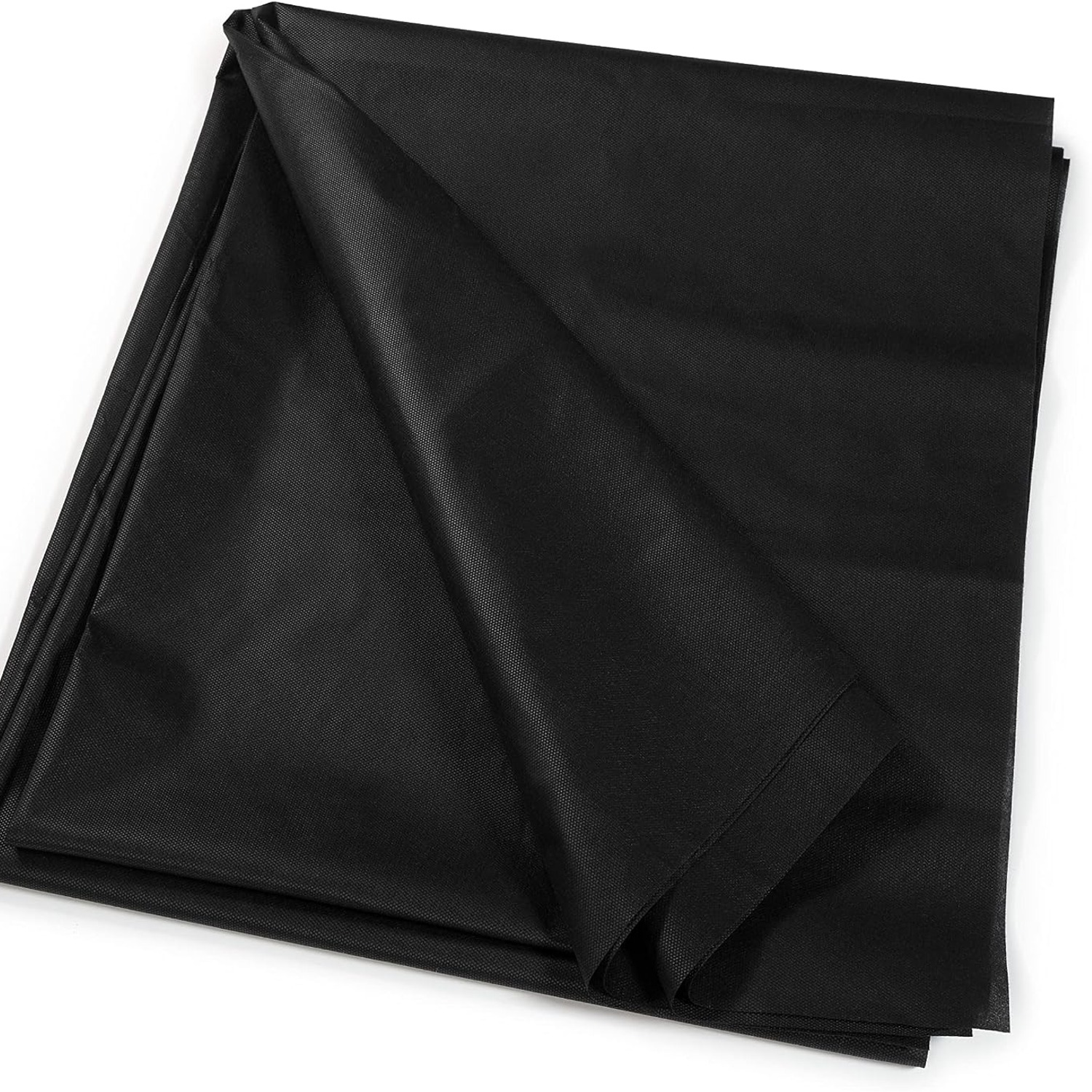
This dust cover fabric is intended for that underside job. It comes as one piece measuring 91 cm (36 in) wide and 5 yards (4.57 m) long. The main questions are whether those dimensions fit your furniture, whether the listed material details meet your needs, and whether the base is ready to be covered.
What an underside cover does
Upholstery underlining fabric sits beneath the working parts of upholstered furniture. Its stated role here is to conceal webbing and springs and help protect the furniture from dust. It gives the underside a covered finish rather than leaving the internal parts on show.
That role is different from supporting a sitter's weight. A cover cannot put tension back into worn webbing or fix a damaged spring. If the furniture sags, makes an unfamiliar noise, or has a loose frame, investigate that problem before fitting fresh cloth.
Think of the cover as a finishing layer. It makes sense once the parts beneath it are in suitable condition. Covering a fault may hide it from view, but it does not make the furniture sound.
What comes in this piece
The supplied quantity is one piece, not a set of separate chair covers. Its width is 91 cm and its length is 4.57 m. You will need to work out your own cutting layout around those fixed dimensions.
The longer measurement may provide room for several smaller panels, depending on their size. That does not mean it will cover every sofa or a fixed number of chairs. A wide furniture base can be the limiting factor even when there is plenty of length left.
This is not described as a custom cutting service.
Measure the attachment area, not just the furniture
For a useful measurement, look at where the replacement bottom cloth will attach. The outside width of a sofa is not always the same as the span of its underside cover. Legs, rails, and changes in frame shape can affect the layout.
Measure both directions across the base. Then allow extra material for the edge treatment and fixing method you intend to use. There is no universal allowance stated for this fabric, so choose that allowance to suit the actual furniture.
Write the measurements down before you shop. For several chairs, label each base rather than assuming they are identical.
A simple paper sketch is often enough to spot a layout that will not work.
Check colour and composition before committing
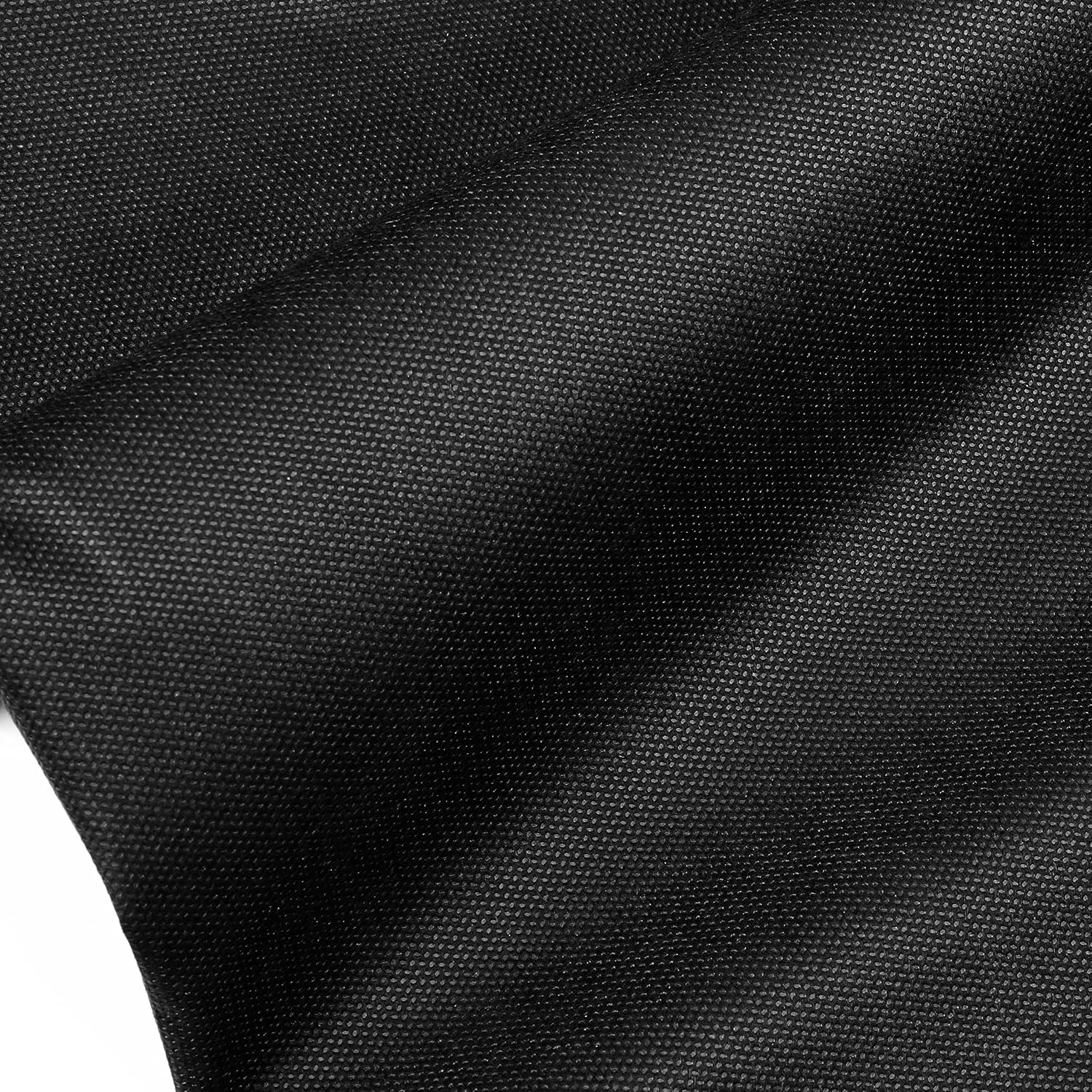
There are inconsistencies in the maker's details. The description calls the fabric charcoal, while a separate colour field says multicolour. If it will sit out of sight, an exact shade may not be your main concern. If the edge will remain visible, confirm the colour first.
The material information also needs care. Different entries name polypropylene, acrylic, and a combination of the two. Those entries do not establish a single clear fibre composition.
Do not choose this upholstery backing cloth on the assumption that one of those entries must be correct. Ask for confirmation if the fibre content affects your project. The same applies if you need a certain surface feel, because the listed double-napped feature has no further explanation.
Decide whether it suits the job
This product is intended as a furniture underside cover. It may suit a chair bottom repair where the old cover is missing or damaged and the structure beneath it is sound. A sofa base lining is another possible use when the supplied width fits the attachment area.
It is not established as fabric for seat tops, cushions, or visible upholstery panels. Those uses bring different demands, including repeated contact and wear. The maker does not provide performance information for them.
Outdoor use is not stated either. Do not read dust protection as a promise of waterproofing or weather resistance. If the furniture lives outside, choose materials with confirmed suitability for that setting.
For projects with formal fire or safety requirements, get the required documentation before buying. No such rating is supplied here.
Inspect the furniture before removing the old cover
Before starting, check whether you can safely access the underside. Large upholstered pieces can be heavy and awkward to move. Get help if you cannot position the furniture securely on your own.
Look at the old cover before removing it. Its edges can show where the original cloth was attached and where openings were needed. A few photos may help you remember the layout later.
Then inspect what is visible beneath it. Loose fixings, damaged webbing, or exposed sharp parts deserve attention before a new cover goes on. If you are unsure whether something is damaged, an upholsterer can help distinguish a cosmetic problem from a repair that affects support.
Avoid treating new cloth as a way to hold loose internal parts in place.
Plan the cut while the fabric is still whole
Once you cut upholstery repair fabric, your options become narrower. Check the received piece against the stated dimensions and your layout before making the first cut.
Mark the panels with enough room for their attachment edges. Keep track of which edge belongs to which side of the furniture, especially where the base is not a simple rectangle. Planning around a leg or a shaped corner is easier before the panel is separated from the rest.
If you have several covers to make, place every panel in the plan first. Cutting the smallest one immediately may leave an awkward remaining shape for a larger cover.
Keep useful offcuts for your own project needs, but do not assume they can replace a full-width panel without a suitable joining plan.
Fit it to the frame you actually have
The right fixing method depends on the furniture's construction. This product does not specify a universal method or include tools and fixings. Check the existing attachment points rather than choosing a fixing simply because it is close at hand.
Aim for a tidy underside without using the cloth to pull damaged parts together. Keep access to any area that the furniture's design requires, and take care around moving mechanisms.
If you have not done this kind of work before, start by understanding how the old cover was secured. Ask for practical help when the frame or mechanism is unfamiliar.
A neat result matters, but avoiding damage to the furniture matters more than rushing to finish.
Keep care simple
No washing instructions are supplied for this charcoal dust cover. That means there is no confirmed wash temperature, drying method, or treatment to recommend.
For ordinary loose dust, use a gentle approach with a soft brush. Follow the furniture's own care instructions when cleaning nearby surfaces. Avoid soaking the underside without clear guidance on both the cloth and the furniture construction.
Check the fitted cover occasionally when you are already moving or inspecting the furniture. A loose edge is easier to assess before it becomes a larger tear. Take care not to drag the underside across objects when repositioning the piece.
Check delivery and returns before cutting
A delivery lead time is not provided by the maker. Check the information at checkout, particularly if the repair needs to be finished for a certain date. Leave time to inspect the fabric before you dismantle furniture you still need to use.
The stated returns period is 14 days from delivery. For a change-of-mind return, the fabric must remain unwashed, uncut, unused, and in its original packaging. The customer pays return postage.
Faulty or wrongly described goods are put right free of charge. If something looks wrong when the parcel arrives, keep the packaging and contact us before fitting or altering the fabric.
The short version
Choose this dust cover fabric for an underside finishing job, not a structural repair. You receive one piece measuring 91 cm wide and 4.57 m long, intended to conceal webbing and springs and help protect against dust.
Measure your attachment area, plan your cuts, and confirm the conflicting colour and material details if they matter to you. Check everything while the cloth is still whole. That small pause can prevent a simple furniture refresh from becoming a wasted piece of fabric.