
The complete guide
A Practical Guide to Choosing White 18 Count Aida Cloth
Start with the fabric your design needs
Choosing a cross stitch pattern is often the easy part. Choosing the fabric takes a little more thought. The wrong count can change the finished size, while a piece cut too close to the design can leave you short of cloth when it is time to frame or sew it.
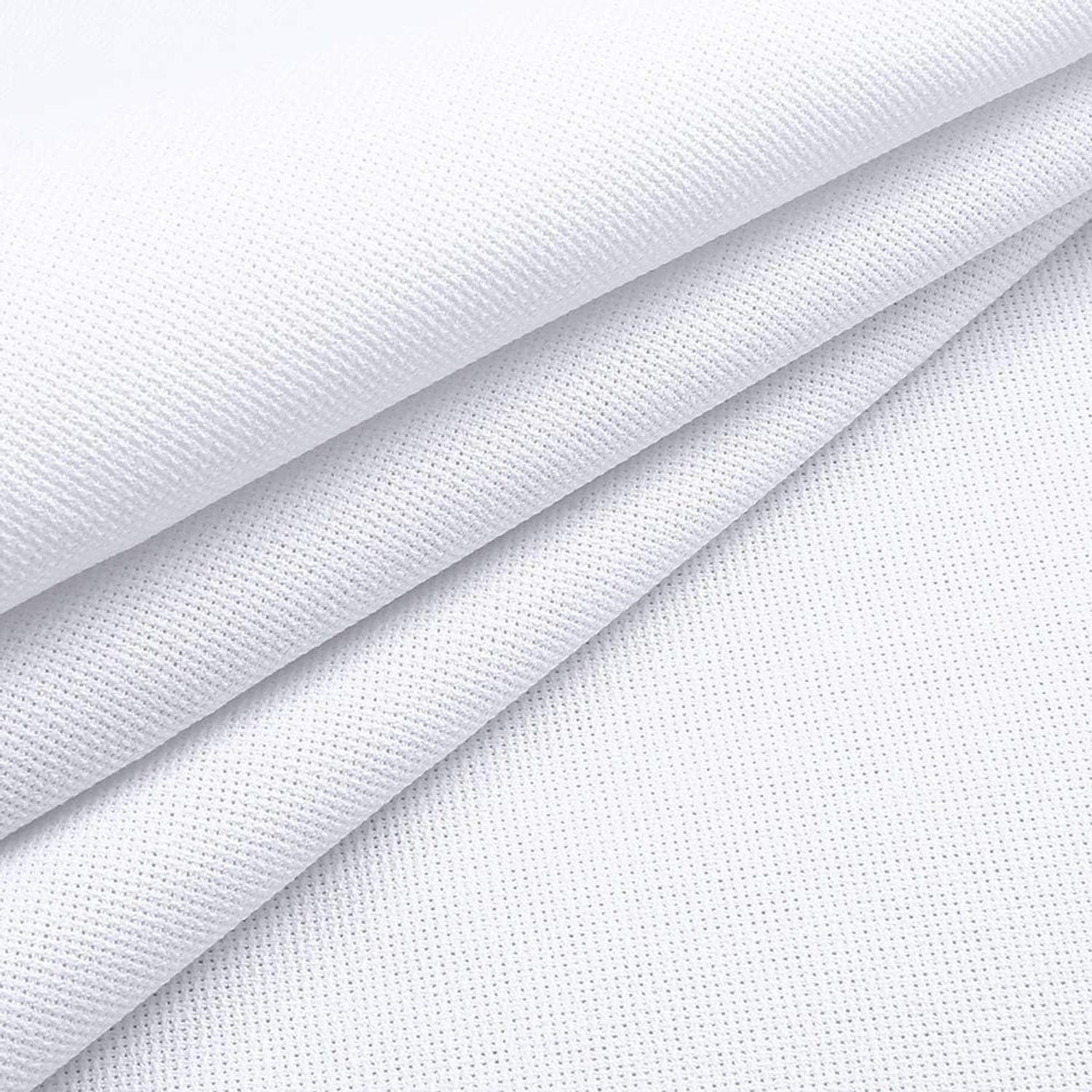
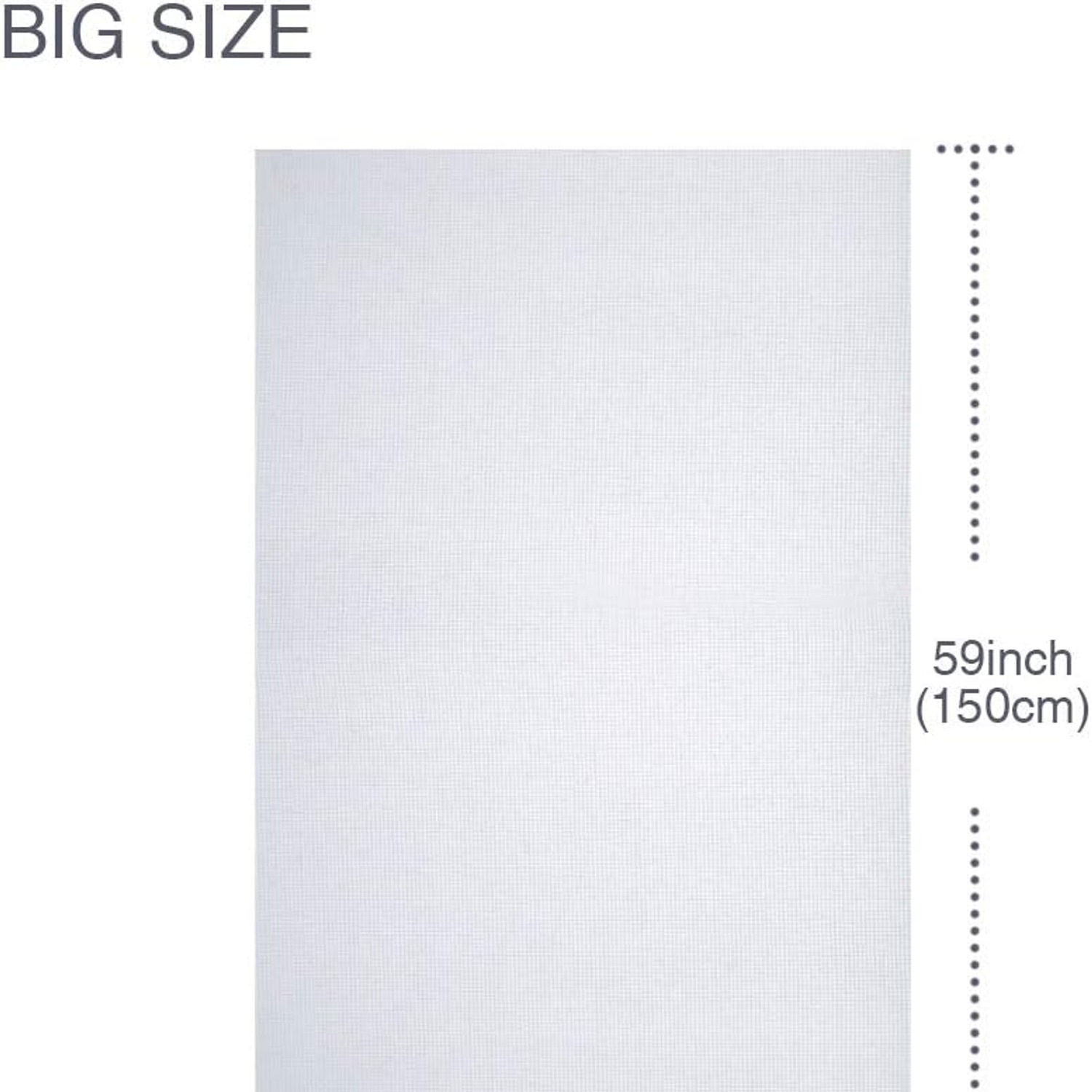
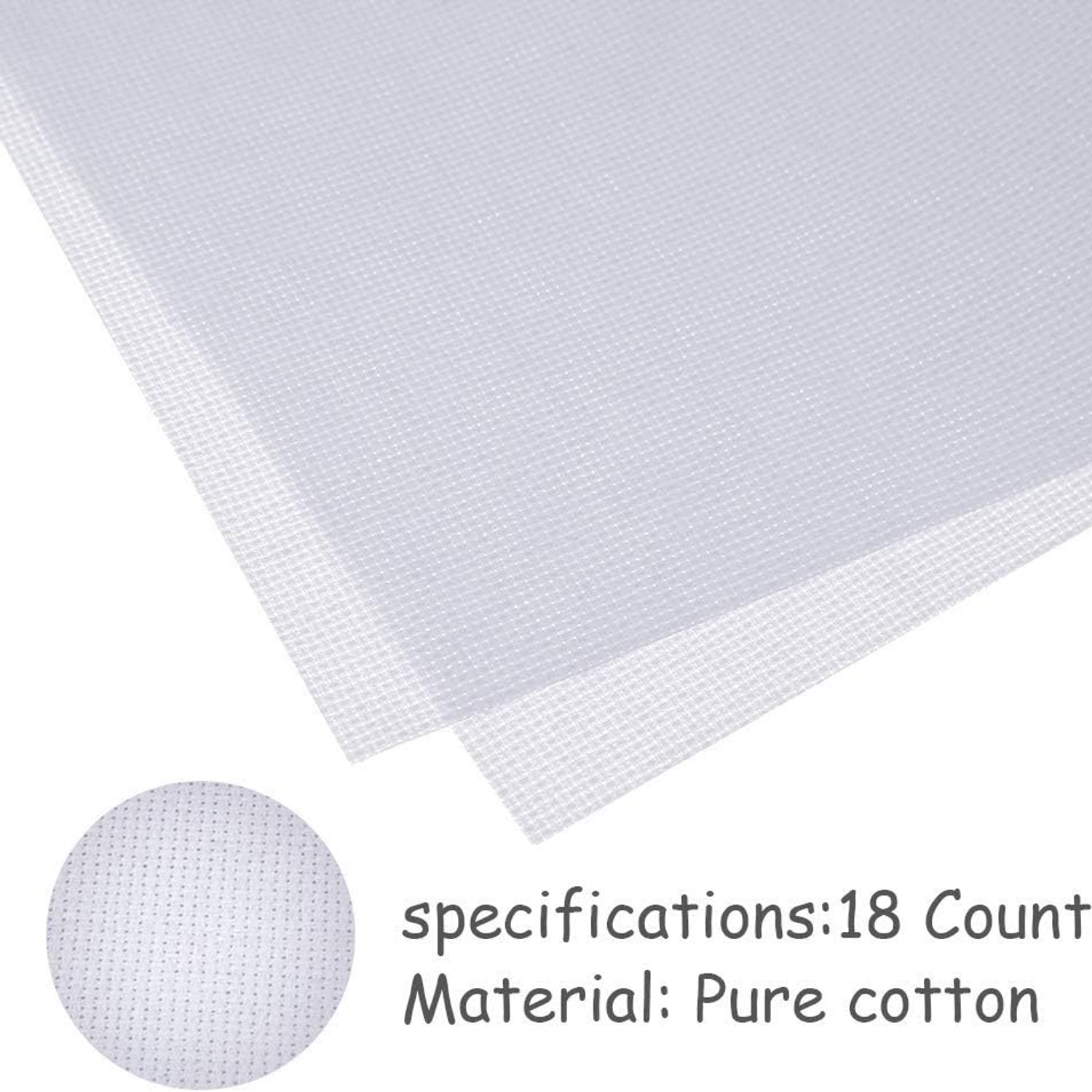
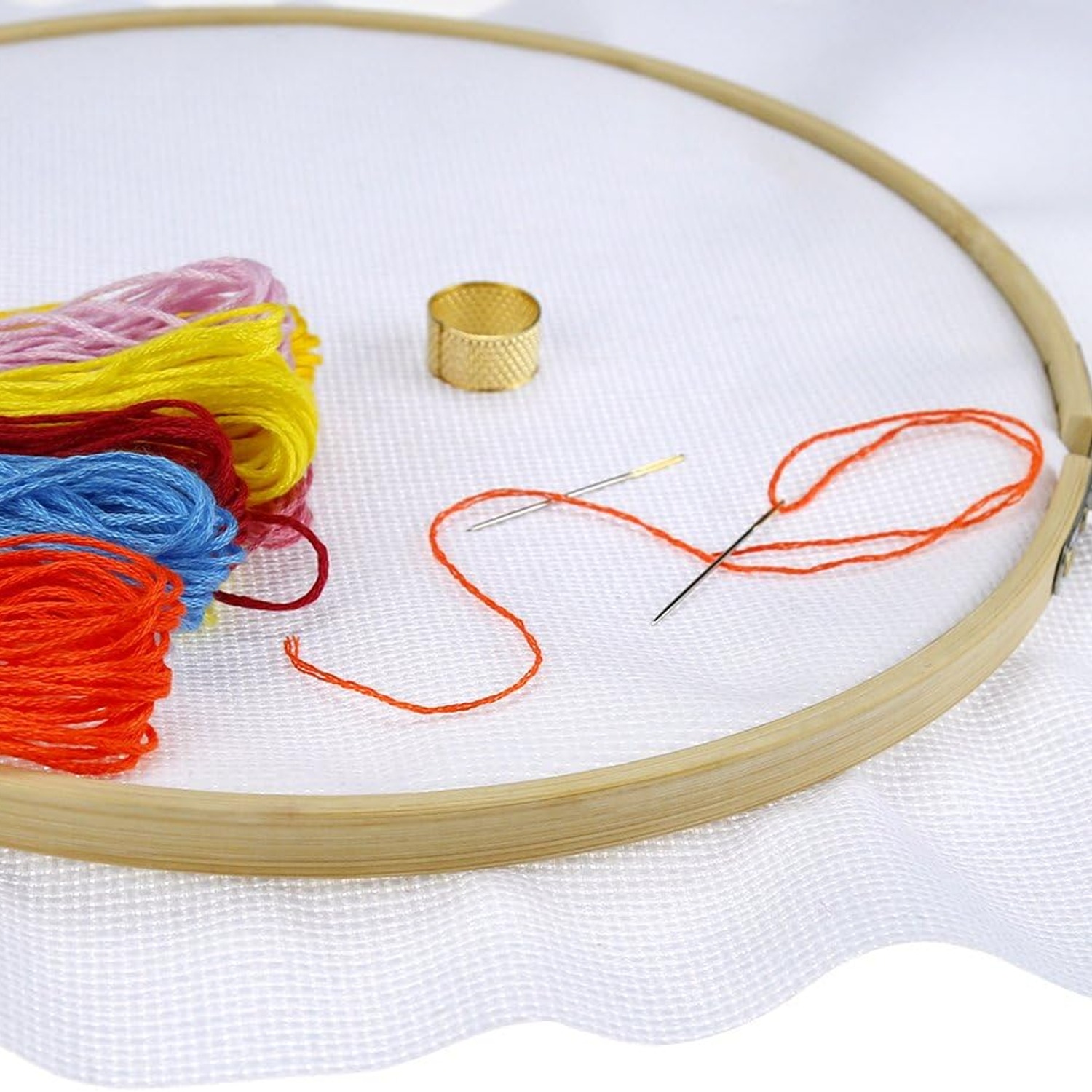
This white Aida cloth is supplied as one piece measuring 1 metre by 1.5 metres. It is 18 count cotton fabric intended for cross stitch, embroidery and other needlework. That makes it a starting point for a planned project, rather than a kit with a design and tools chosen for you.
Before buying, look at your chart, think about the finished item and check how much working space you need around the stitches. A few minutes spent on those checks can save an awkward change of plan later.
Understand what 18 count means
The count tells you how many squares there are in each inch of Aida fabric. With 18 count Aida, there are 18 squares per inch. If you work one cross stitch over each square, you will make 18 stitches per inch.
More squares per inch mean the stitches sit closer together and the finished design is smaller. Changing count does not remove stitches from the chart, but it does change their physical size.
For a straightforward counted design, divide the chart's width in stitches by 18 to find its approximate stitched width in inches. Do the same for its height. Those figures describe the stitched area only, not the size of fabric you should cut.
If your pattern uses a different way of placing stitches, follow its own sizing instructions instead.
Check the piece size before planning cuts
The supplied piece measures 1 metre by 1.5 metres. It is one fixed piece of white embroidery cloth, not fabric cut to your chosen length.
A larger piece gives you choices about layout. You might use it for one substantial design or mark out several smaller projects. Either way, sketch your layout before taking scissors to the cloth. It is easy to count the stitched areas and forget the extra fabric each project needs around its edges.
For several projects, include a separate border around every design. Shared space between two patterns cannot serve as a full finishing allowance for both once you cut them apart.
Check the fabric when it arrives, then compare it with your plan. Keep it unwashed, uncut and unused until you are sure it suits the job.
Decide whether the finer grid suits you
An 18 count base is worth considering when you want a smaller finished version of a counted design. The closer spacing can also mean more careful attention to the chart and stitch placement.
If you are new to cross stitch, you do not have to rule it out. Think about how comfortable you are seeing the squares and counting across the fabric. Good lighting and a manageable first design can make your practice sessions easier to approach.
If you already stitch regularly, compare this count with the fabric you normally use. Consider how long you like to work in one sitting and whether your chosen pattern includes areas that need close counting.
There is no single count that suits every stitcher. The useful choice is the one that fits your design and feels comfortable to work on.
Think about the white background
White aida cloth gives your design a plain background. That leaves the choice of thread colours and the balance of stitched and unstitched areas to you.
Look at the parts of your chart that will remain uncovered. Those areas will show the cloth itself, so the background matters even in a colourful design. Pale threads may need a closer look against white before you commit to a large section.
Place a few of your chosen thread colours over the cloth and view them in the light where you usually work. This is a simple way to judge the combination without making any permanent changes.
If you plan to mark the fabric, check the marking product's instructions and test it on a spare area. Do not assume every pen or pencil will wash out as you expect.
Match the cloth to the finished item
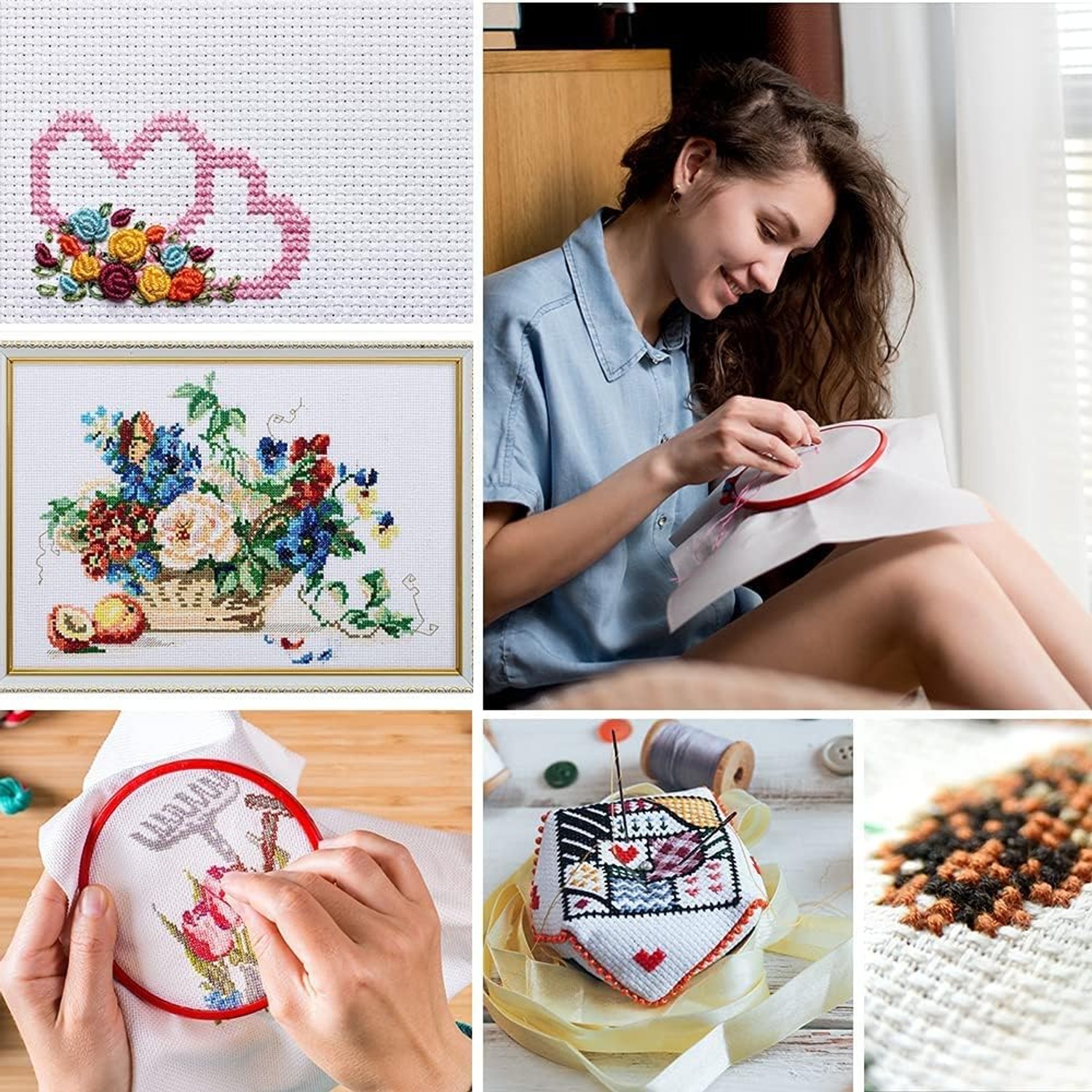
Cross stitch is a clear use for this fabric, but the suggested projects also include decorative cloths, cushion covers, coin purses and storage bags. These ideas need different kinds of planning.
For a framed picture, think about the cloth needed beyond the visible design. Your chosen framing method may need more spare fabric than you first expect. Check that before placing the design near an edge.
For a cushion cover, plan the seams and closure as well as the embroidery. A stitched panel is only part of the finished cover. Decide whether you will use other fabric for the back or add a border around the needlework.
Small bags and purses also need a construction plan. Consider lining and fasteners separately. This product supplies the cloth, not a complete set of materials for those projects.
Choose your pattern and tools separately
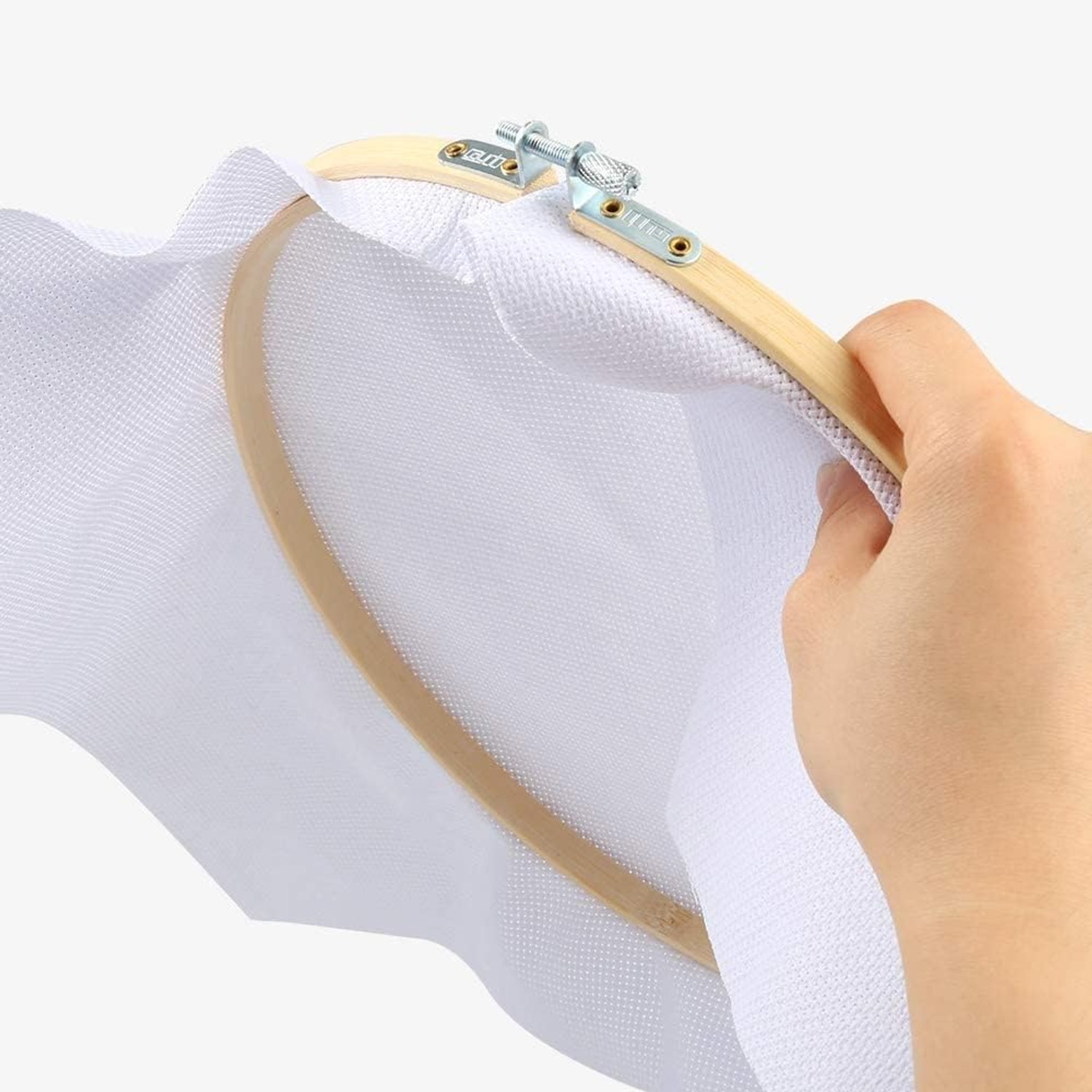
The stated contents are one piece of fabric. A printed chart, embroidery threads, needles and a hoop are not listed as included.
Start with your pattern's advice on thread and needle choice. Then check how that combination feels on the fabric. A small sample can help you judge coverage and ease of stitching before you spend hours on the main design.
The maker does not state a needle size, strand count or hoop size for this cloth. Avoid treating a general recommendation as a fixed rule for every design. Dense areas, fine details and decorative stitches may call for different choices.
For machine embroidery, check your machine's requirements and test the fabric with the support materials your project needs. Being listed for embroidery does not settle every setup question.
Leave room to handle and finish the work
The unstitched border has a job to do. It gives you somewhere to hold the cloth, space to position a hoop or frame, and material for the final finish.
How much you need depends on the project. A design that will be sewn into a cover needs seam allowances. A piece intended for framing needs enough fabric for the selected mounting method. The maker does not state one border allowance for all uses.
Work backwards from the finished item. Only then mark out a cutting line.
This is especially important when dividing large aida cloth into smaller pieces. A little care with the layout helps you avoid creating offcuts that are just too small for their intended patterns.
Keep the fabric tidy while you stitch
White cotton needlework fabric is worth protecting from everyday marks. Start with clean hands and a clean work surface, and keep the unused part away from food and drinks.
When you pause, put the work somewhere dry and clean. Keep threads and tools together so you can restart without searching through the fabric for a loose needle.
Try not to leave more cloth exposed than you need for the current section. A simple tidy setup can make a larger piece easier to handle without adding much work to each stitching session.
These are general working habits, not claims about a special finish on the fabric. No stain-resistant treatment or other protective coating is specified in the maker's description.
Follow the stated care method
The care instruction is hand wash only. Once you add stitching, the threads and embellishments also affect how the finished item should be cared for.
Check those materials before washing. A cloth care instruction does not tell you whether every thread colour or decorative addition will tolerate the same treatment. Test a spare stitched sample when you need to check a particular combination.
Avoid rubbing the stitched surface during washing. The maker does not state a water temperature, drying method or ironing setting, so do not assume detailed care limits that have not been supplied.
If you are making a gift, keep a note of the materials used. That gives the recipient a useful starting point when deciding how to care for the finished work.
Check suitability before making changes
Inspect your order before washing, cutting or stitching it.
Returns are accepted within 14 days of delivery for fabric that is unwashed, uncut, unused and in its original packaging. The customer pays return postage. Faulty or wrongly described goods are put right free of charge.
A delivery lead time is not specified by the maker. If the project is tied to a birthday or another firm date, check the delivery information when ordering rather than planning around an assumed arrival.
The short version
This is one piece of white 18 count cotton Aida cloth measuring 1 metre by 1.5 metres. It is a base for cross stitch, embroidery and planned craft projects, with hand washing as the stated care method.
Check your chart's finished size, allow enough cloth for handling and finishing, and choose your tools separately. Keep the piece unchanged until you know it suits your plan. Then you can start stitching with the practical decisions already made.