
The complete guide
A Practical Guide to Choosing Natural Muslin Fabric
One plain fabric, several practical jobs
Sometimes a project calls for a simple cloth rather than a finished accessory. You might need fabric to strain a recipe, a base for hand stitching, or a natural-looking piece for a decoration. The hard part is choosing a cloth whose size and weave fit the job.
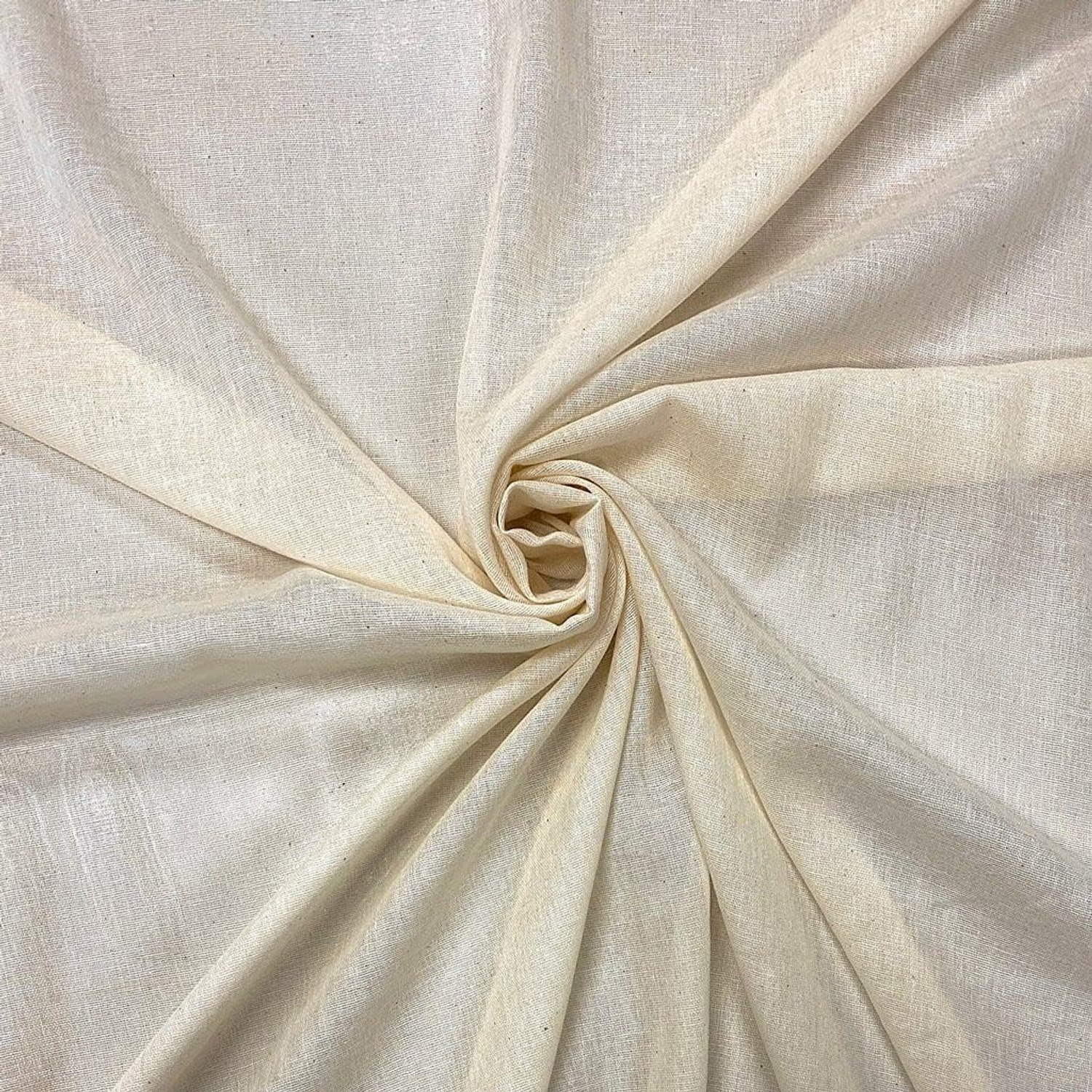
This muslin fabric is described as natural, unbleached, 100% cotton. It comes as one precut piece rather than a made-to-measure length. Cooking, straining, baking, embroidery and crafts are all listed uses, along with home décor and Halloween decorations.
That makes it worth considering for a range of small projects. Still, the details matter more than a long list of uses.
What the weave tells you
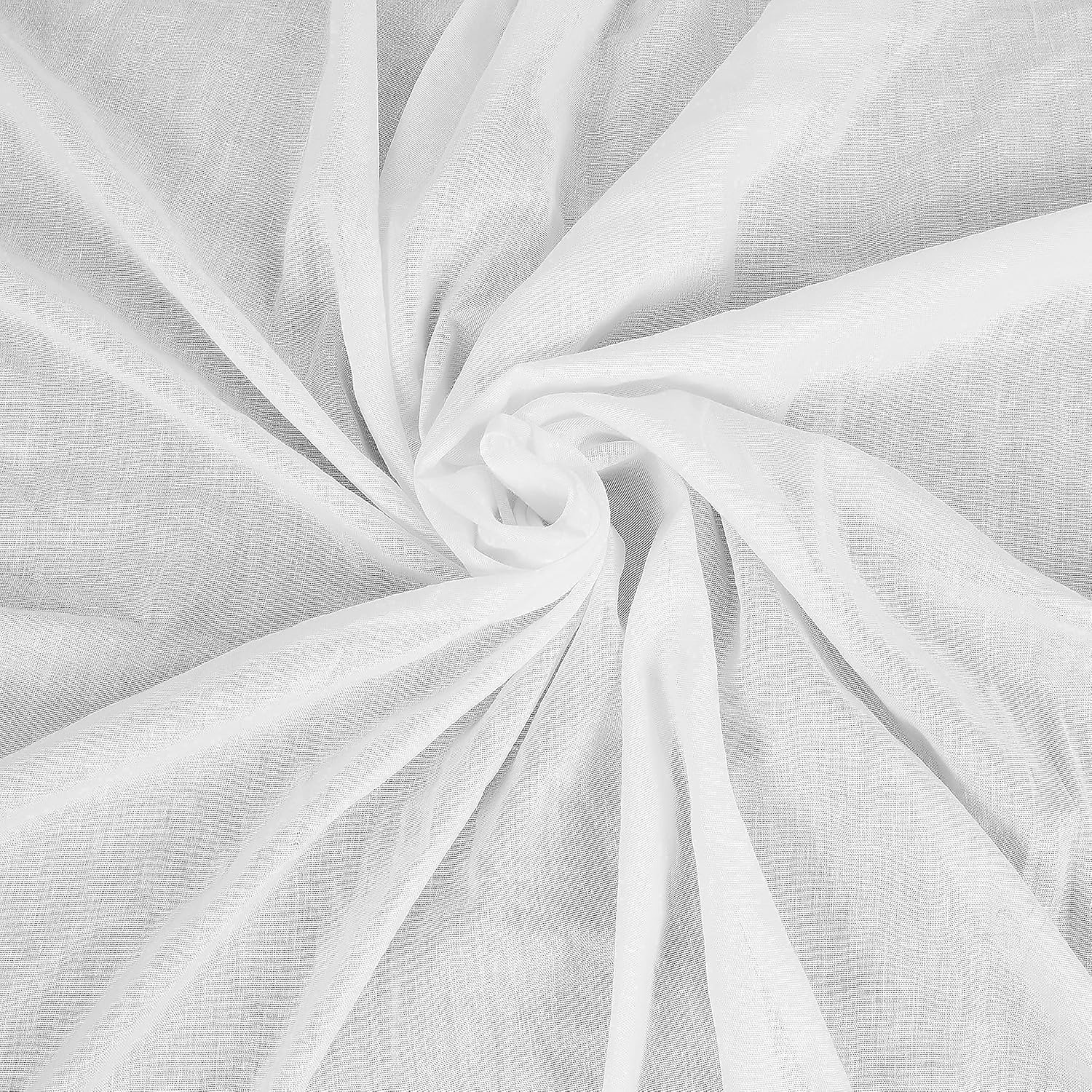
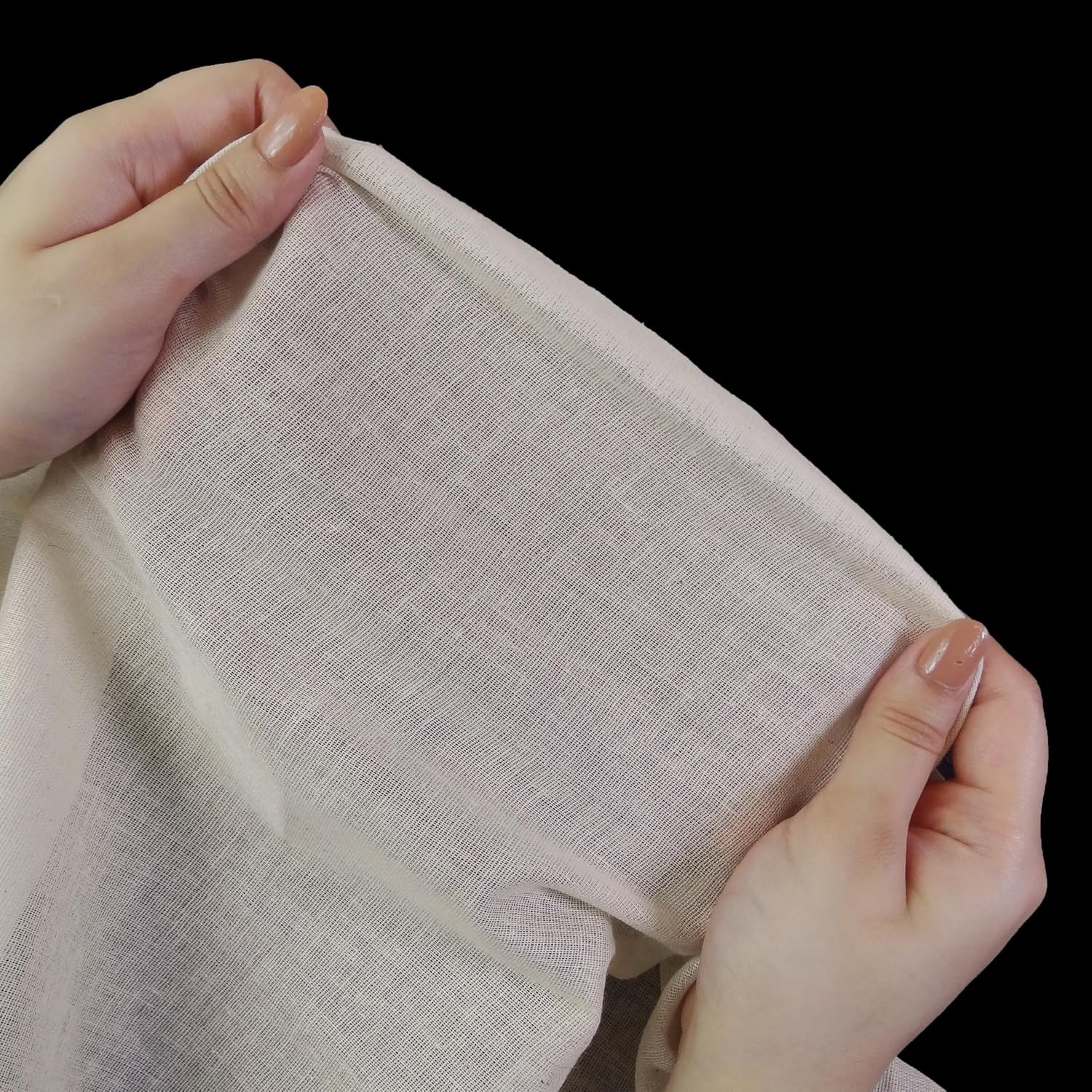
The maker describes this as Grade 90 cheesecloth with a plain weave. It also gives a thread count of 64 × 40 threads per inch. These are useful details when comparing cloths, but they do not tell you exactly how the fabric will perform in every task.
For straining, for example, the result depends on the mixture as well as the cloth. A thread count is not a stated filtration size. If you need a very particular result, test a small amount before passing a whole batch through it.
For stitching, the same care applies. Try your chosen needle and thread on a spare section. Look at how the stitches sit and whether the weave works with the design. A small test is easier to adjust than a partly finished piece.
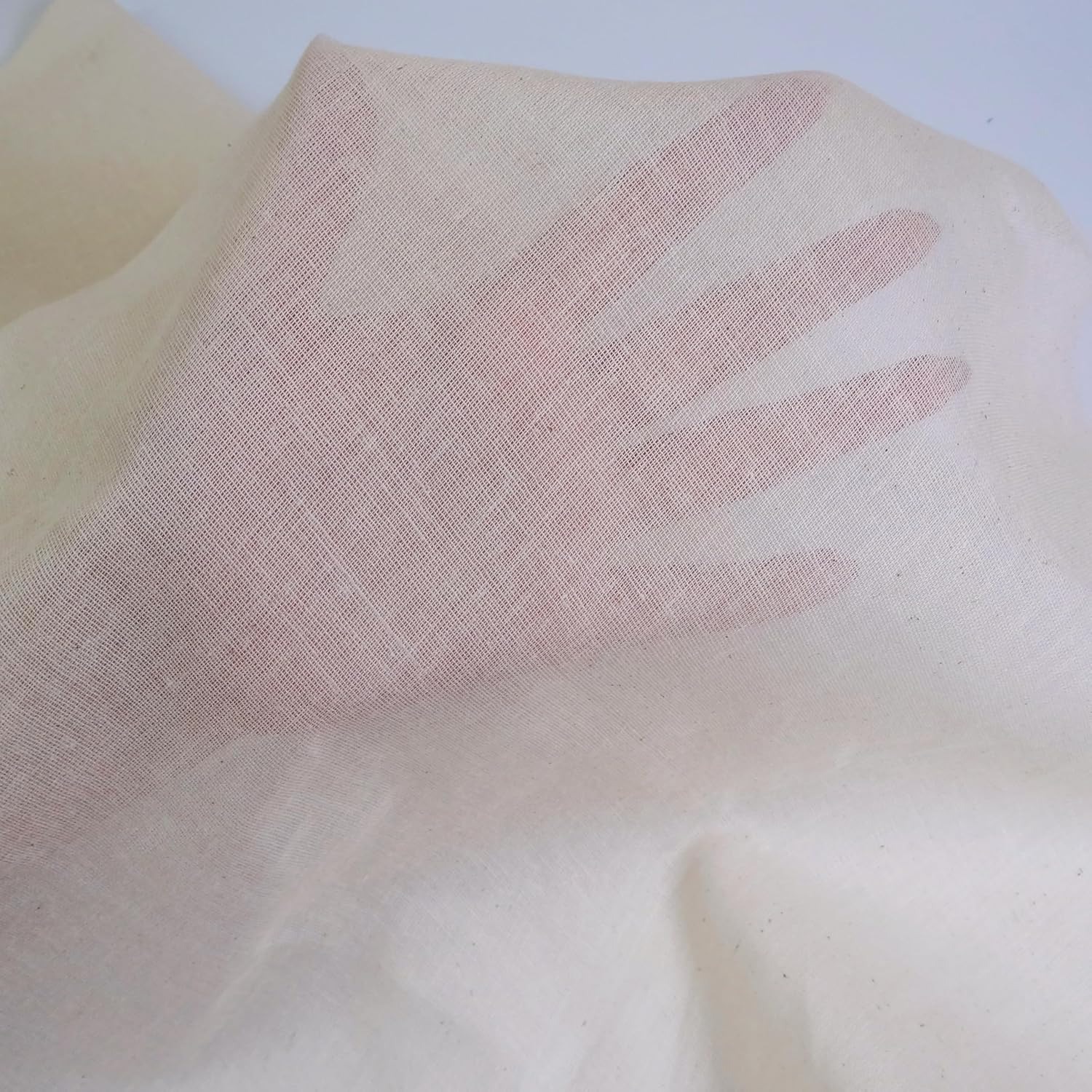
The phrase “plain weave cotton” describes the fabric structure. It is not a promise about softness, opacity or stretch, none of which is measured in the maker's description.
Check the size before planning your cuts
The selling description specifies one precut piece measuring 1 metre long and 140 cm, or 55 inches, wide. Use that as the stated selling size, not as an offer of fabric cut to your chosen length.
There is an important detail to resolve if your project needs exact measurements. Other maker's details list 157 × 100 cm, an item length of 55 inches and a unit count of 1.0 square metre. These entries do not agree with the selling description.
For a loose decorative arrangement, that difference may be less important than it is for a fitted sewing pattern.
Once the piece arrives, check it before making any changes. Lay it flat and measure the usable area. Keep the return conditions in mind before washing or cutting, since those actions affect change-of-mind return eligibility.
Choosing muslin for kitchen tasks
Cooking muslin cloth is useful to consider when a recipe calls for fabric rather than a sieve alone. This product lists cooking and straining among its uses. Wash it before kitchen use and follow the steps in the recipe you are making.
When using muslin for straining, support the cloth properly over a suitable container. Think about how you will hold it in place before adding the mixture. A simple trial with a small quantity can help you judge the flow and the result without committing everything at once.
No food-contact certification is provided in the maker's description. That is a gap to check if documented certification is part of your buying requirements. A listed kitchen use should not be treated as evidence of a certification that has not been supplied.
Keep kitchen fabric separate from cloth used with craft paint, glue or decorative treatments. If you plan both kitchen and craft projects, set aside the pieces for each purpose from the start and store them separately.
What to check for baking use
Baking appears in the list of intended uses, but the maker gives no heat rating. It also does not explain a particular baking method. The term baking muslin should therefore not be read as permission to place the cloth in an oven.
Read your recipe carefully and check what role the cloth plays. Some instructions may call for fabric during preparation rather than during heating. If the method depends on heat resistance, obtain the missing information or choose a product with clear instructions for that task.
This is a useful rule for any multipurpose fabric. A broad use description helps you find possible options, while the actual method tells you which details need checking.
Using it for embroidery and sewing
A plain, solid fabric leaves the design work to you. This natural muslin fabric has no printed pattern, so it may fit a project where you want the stitching to be the main feature.
Embroidery is a stated use, but there is no recommended needle size, hoop size or stitch density. Test your intended method first. Try a few lines of stitching, release the tension and check how the cloth looks before starting the full design.
If you are comparing embroidery muslin with another fabric, think about the pattern's needs. A design that depends on a specific fabric count may need something more precisely specified. Do not assume that the Grade 90 description replaces the fabric requirements in your pattern.
For sewing, leave room in your plan for seams and any edge finishing. The source says the supplied edges are hemmed, but a new cut creates a new edge. Check what your finished item will need rather than assuming every side will be ready to use after cutting.
Planning home décor and craft projects
The natural colour and unbleached finish may suit decorations where you want plain fabric rather than a bold print. Home décor and Halloween décor are listed uses, giving you several possible directions for a small craft project.
Before cutting, sketch the pieces you need and place paper shapes on the cloth. This helps you see whether the precut muslin fabric gives you enough usable area. It also helps avoid losing a useful section through an awkward first cut.
If you want to paint, dye or glue the cloth, test the treatment on a small area. The maker does not provide results for any of those methods. Check both the look and the feel after the test has dried.
No flame-resistance claim is supplied. Keep decorations away from candles, heaters and other heat sources. If a venue requires certified decorative fabric, the maker's description does not provide that evidence.
Is it the right cotton for your project?
Unbleached cotton fabric can be a good starting point when your design calls for a natural finish. Here, the stated colour is natural and the pattern is solid. There is no promise of an exact shade or a measured level of opacity.
Think about what would make the fabric unsuitable before focusing on its possible uses. Does your pattern need a fixed washed width? Does the cloth need to block light? Do you need a documented finish or a known shrinkage rate? Those details are not given by the maker by the maker.
The maker's description also gives no baby-care or medical suitability. Choose a product with the right documentation when the task depends on a specific safety or performance claim.
A one metre muslin piece is most straightforward to assess when you have a small, flexible project in mind. For a job with strict specifications, confirm the missing details before buying.
Washing and looking after the cloth
Machine wash is the stated care method. The maker does not give a wash temperature, drying setting or shrinkage allowance. Follow any instructions supplied with the piece rather than guessing at a hot wash or tumble-dry setting.
If exact fit matters, decide whether to keep the fabric only after checking it in its supplied condition. Then, before cutting your pattern, wash it according to the supplied care guidance and measure it again. No preshrunk claim is given.
Inspect reusable muslin cloth after cleaning. Check the weave and edges, and make sure its condition still suits the next job. Repeated use is described in the source, but there is no stated number of wash cycles or guaranteed service life.
Store clean fabric dry and keep it away from materials that could mark it. For kitchen cloth in particular, use a separate storage place from painted or glued craft pieces.
Buying with a clear plan
Before ordering, write down the minimum length and width your project needs. Include seams, folds and any test pieces.
Delivery timing is not specified by the maker. Check the estimate for your address, especially if you are buying for a class, a gift or a planned event.
The supplied return terms allow 14 days from delivery for unwashed, uncut, unused fabric in its original packaging. Change-of-mind return postage is paid by the customer. Faulty or wrongly described goods are put right free of charge.
The short version
This is a natural, unbleached cotton muslin precut with a Grade 90 plain weave. Its listed uses cover kitchen tasks, embroidery and decorative crafts.
Choose it by the needs of your project. A little planning helps you make good use of a simple fabric.