
The complete guide
A Practical Guide to Choosing Cotton Batting for Small Quilts
Start with the project, not just the fabric
A small quilt can still leave you with a tricky shopping choice. You have chosen the top fabric and backing, but the filling needs to fit the pattern and give the thickness you want. Buying a large piece may leave more spare material than you need. A small precut can fall short if you forget the working allowance.
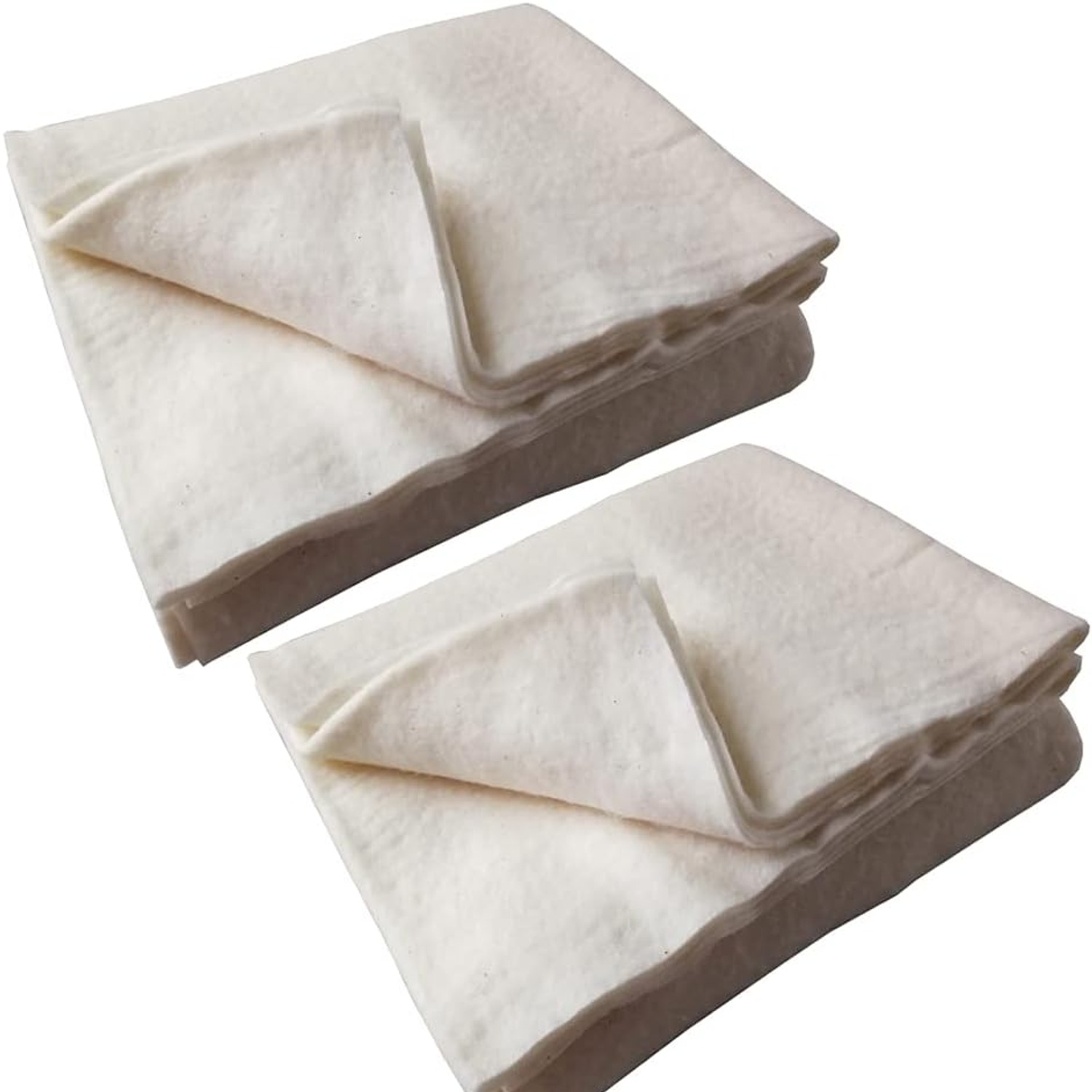
This cotton quilt batting comes as two pieces, each measuring 91 x 114 cm (36 x 45 in). It is a fixed-size pack, so the first question is whether that area suits your project. The second is whether a thin filling matches the result you have in mind.
Think about those points before cutting anything. A few minutes spent checking the pattern can help avoid a filling that is too small or a finished quilt that feels different from what you expected.
What quilt batting does
Batting is the middle layer between a quilt top and its backing. Quilting stitches hold those layers together. The filling helps shape the finished piece, so changing it can change how the project feels and folds.
This product is described as thin cotton batting. It is worth considering when you want a thin middle layer rather than a thick filling. The maker does not give an exact loft measurement, so there is no stated thickness to compare in millimetres.
Do not judge the finished result from the batting alone. Your top fabric, backing and stitching also affect it. If you are trying a new combination, make a small sample with the actual materials you plan to use. That gives you something useful to handle before you commit the whole piece.
Understand what the two-piece pack provides
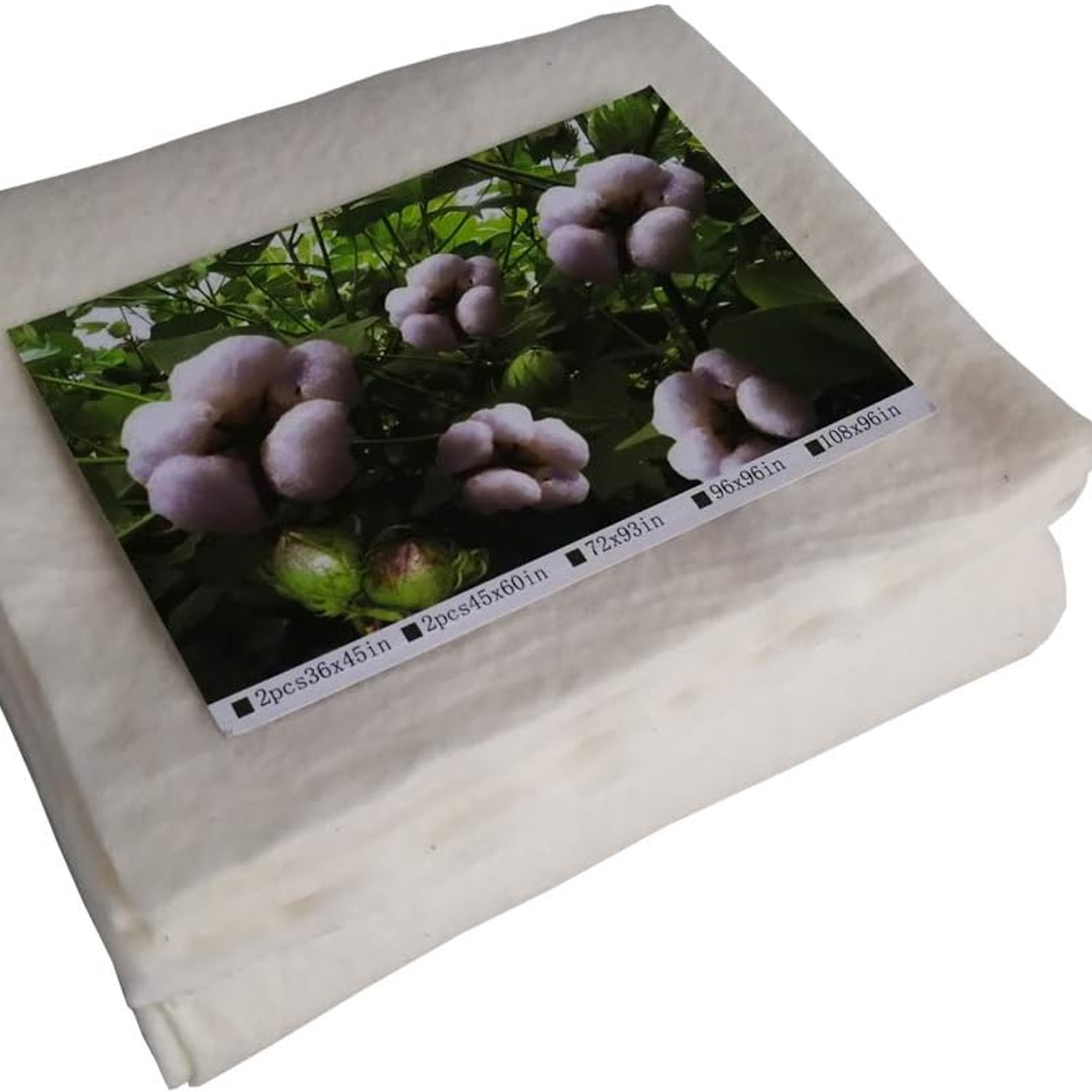
The pack contains two separate cotton batting precuts in one bag. Each is 91 x 114 cm (36 x 45 in).
You might plan two projects that each fit within a single piece. You could also cut smaller shapes from the pieces, provided your cutting layout leaves enough room for each part. Sketch that layout before making the first cut.
The product information also allows both pieces to be stacked for more thickness. Remember that stacking changes how you use the pack. You then have one area with two layers, rather than two separate areas of filling. It does not increase the length or width available for your project.
Check the size against your pattern
Start with the batting size requested by your pattern, not just the finished quilt dimensions. Some methods need extra filling beyond the edge of the quilt top while the layers are being stitched.
Lay out the measurements on paper or mark them on your work surface. Include every part you intend to cut. If the pattern has several panels, check their shapes as well as their total area. A long narrow section may not fit even when the overall amount of material seems sufficient.
For small quilt wadding, this planning step matters. The pack has a clear boundary, and a project close to that boundary leaves little room for a cutting mistake. If your pattern requires a larger continuous piece, choose a size that meets that requirement rather than assuming these two precuts will behave like one sheet.
Decide whether thin batting suits the result
Thickness is a personal choice, but it should also follow the project instructions. A pattern written for a thin filling may not handle the same way with several layers. Equally, one thin layer may not give the fullness you want.
This pack offers the option of using one piece or stacking both. Test the layered version before sewing the main project. Check whether your fabric layers stay manageable and whether seams become bulkier than you expected.
The maker does not state an exact loft, warmth rating or shrinkage figure. That means you should not buy it on the assumption that it will match another cotton quilt filling in every way. If a measured thickness is central to your design, ask for more information before ordering.
Who this format may suit
Craft size batting is a practical format for someone whose projects fit within the stated dimensions. It may suit a quilter working on a small patchwork piece or a sewer making quilted craft panels.
Beginners can also plan around the fixed size. There is no need to work out an order length, but you still need a pattern, suitable fabrics and a plan for securing the layers. Precut does not mean ready to use without measuring.
Wearable art is another listed use. In that case, a sample is especially helpful. The way a filled panel bends matters when it becomes part of something worn. Try the proposed layers together before cutting garment sections or adding details that are hard to remove.
Look at the cotton before cutting
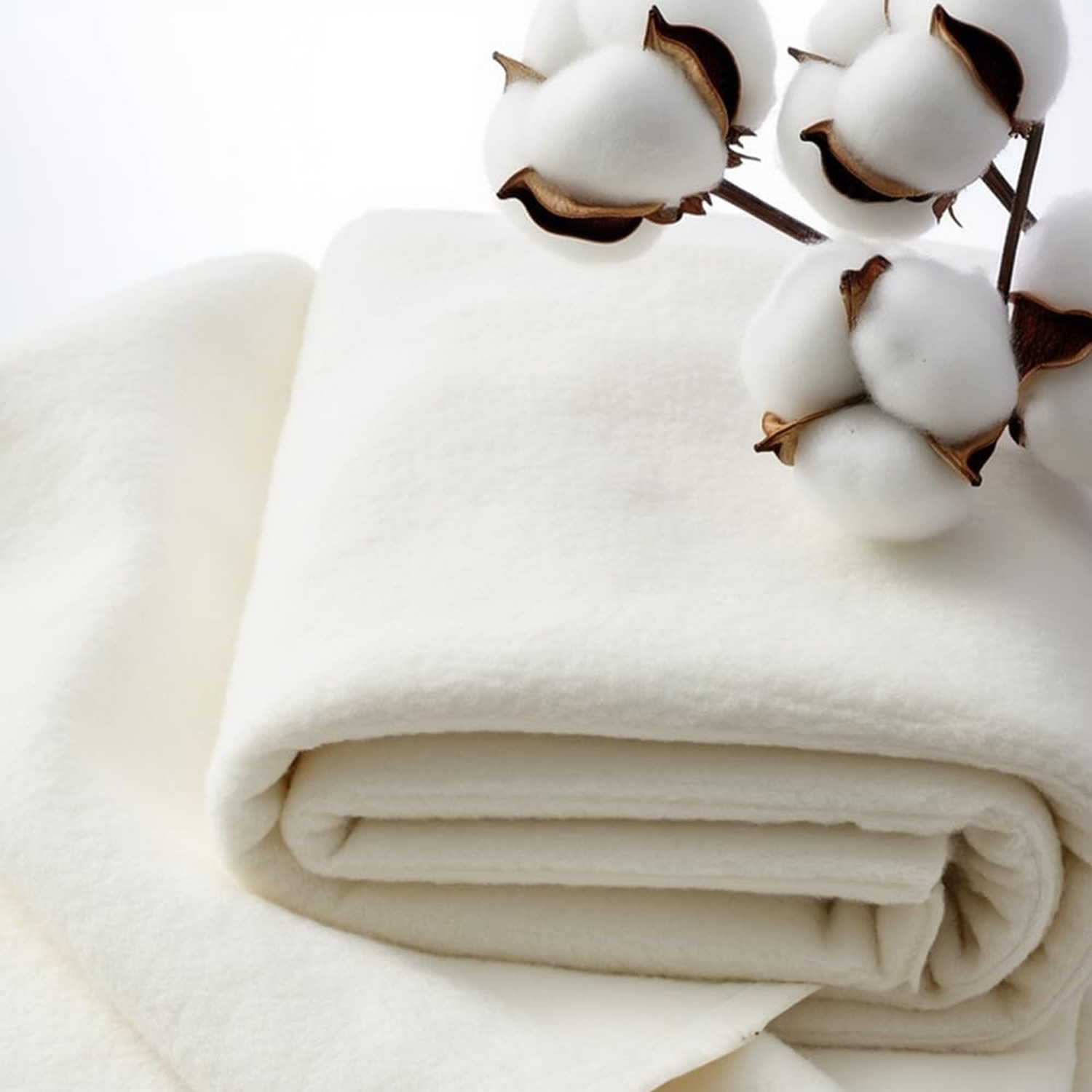
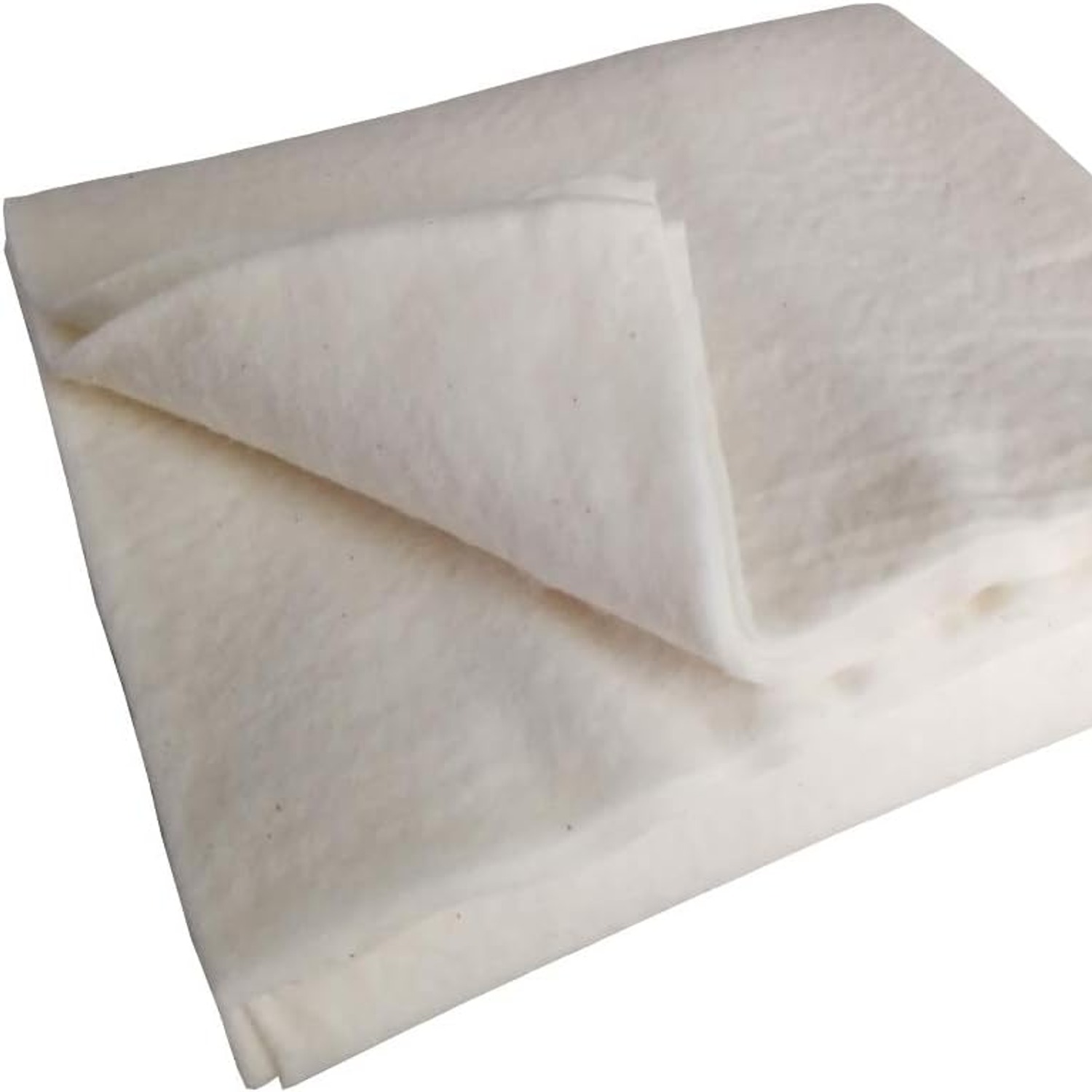
The listed colour is off-white/ecru. The product information also notes that small flecks of cotton leaf material may be present. If you want a very uniform-looking filling, consider that detail before buying.
Check the batting behind a scrap of your chosen top fabric. This is useful with pale or sheer cloth, where anything beneath the surface may be more noticeable. View the sample in the light where the finished item will usually be used.
Some loose fibres or bearding are also noted. Bearding means fibres can work through the outer fabric. A small stitched sample can help you assess your fabric combination, though it cannot promise how every finished project will perform over time.
A cotton smell is mentioned too. If the delivered pack seems damp or smells musty, keep it unused and contact customer support rather than washing it to try to fix the problem.
Plan the quilting before assembly
Batting needs to be secured within the project. Before making your quilt sandwich, check the pattern's assembly steps and look for any instructions supplied with the pack.
The maker does not state a maximum quilting stitch spacing in the maker's description. Avoid borrowing a figure from another product just because it is also cotton wadding for sewing. Different products can have different requirements.
Make a test sandwich from small scraps of the top, batting and backing. Try the stitching you intend to use, then inspect both sides. Check for unwanted folds, shifting and visible fibres. This is also a chance to see whether one layer gives the look you want before choosing to stack two.
Keep heat-related projects separate from ordinary crafts
A filling listed for quilting should not automatically be treated as a protective heat barrier. The maker does not provide a heat-safety rating, testing information or microwave-safety confirmation.
Do not rely on this batting alone for oven mitts or potholders. For those projects, choose materials whose stated purpose and instructions cover the heat exposure involved.
The same caution applies to microwave crafts. A cotton material description does not confirm the safety of every component or of the finished item. If you cannot verify the requirements for the whole project, choose a different use for the batting.
Care starts before the first wash
Do not prewash the loose batting. The stated care allows machine washing after it has been quilted into the finished project.
That does not set the care rules for everything else you add. Your outer fabrics, thread and trims all need to tolerate the washing method. Check those instructions together before deciding how to clean the finished item.
The maker does not state a washing temperature, drying method or shrinkage percentage here. Look for further guidance on the supplied packaging. If a precise finished size matters, assess a quilted sample before making the whole piece. Do not assume that an untested washing or drying method will leave the size unchanged.
Check timing, gifting and returns
If you need quilting supplies for a class or a gift deadline, check the delivery estimate when ordering. No lead time is stated in the maker's description, so leave room in your plans rather than relying on an assumed arrival date.
For a gift, check whether the recipient uses thin batting and whether their usual projects fit these precuts. A two-piece pack can be useful, but the right size and thickness matter more than the number of pieces.
Inspect the pack before washing or cutting it. UK returns are available within 14 days from delivery when the goods are unwashed, uncut, unused and in their original packaging. The customer pays return postage for a change of mind. Faulty or wrongly described goods are put right free of charge.
The short version
Choose this pack if two thin cotton pieces measuring 91 x 114 cm (36 x 45 in) suit your sewing plans. Use them separately, or stack them when your project calls for more thickness.
Check the pattern allowance, test your fabric combination and keep the loose batting unwashed. Those simple checks will tell you more about its fit for your project than the pack size alone.