
The complete guide
A Practical Guide to Choosing Faux Fur Fabric Pieces
Small craft projects can be awkward to shop for. You may only need a soft panel, a few decorative shapes or a textured finishing detail. A large length of fabric can leave you with more than you need, while a single small piece may limit your ideas.
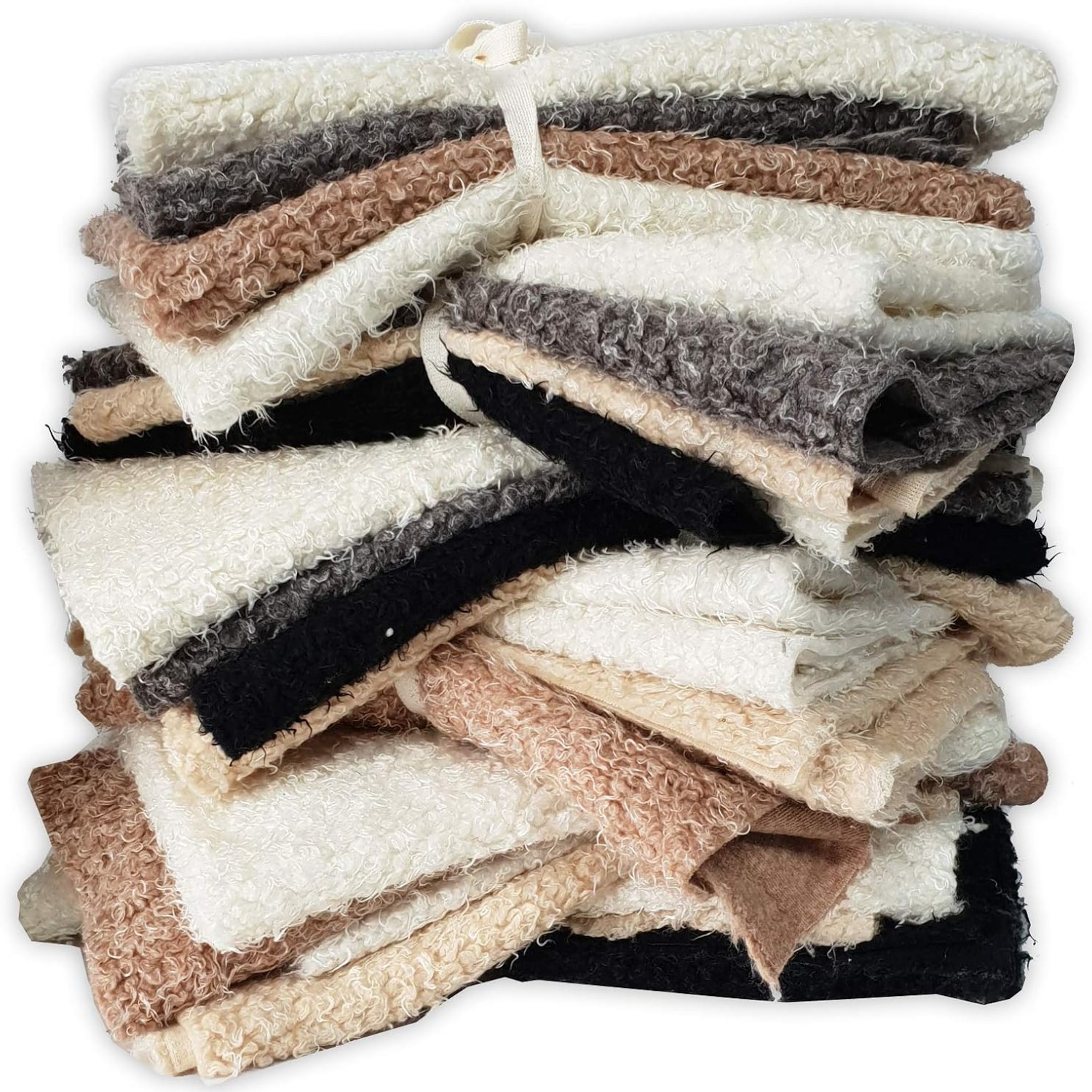
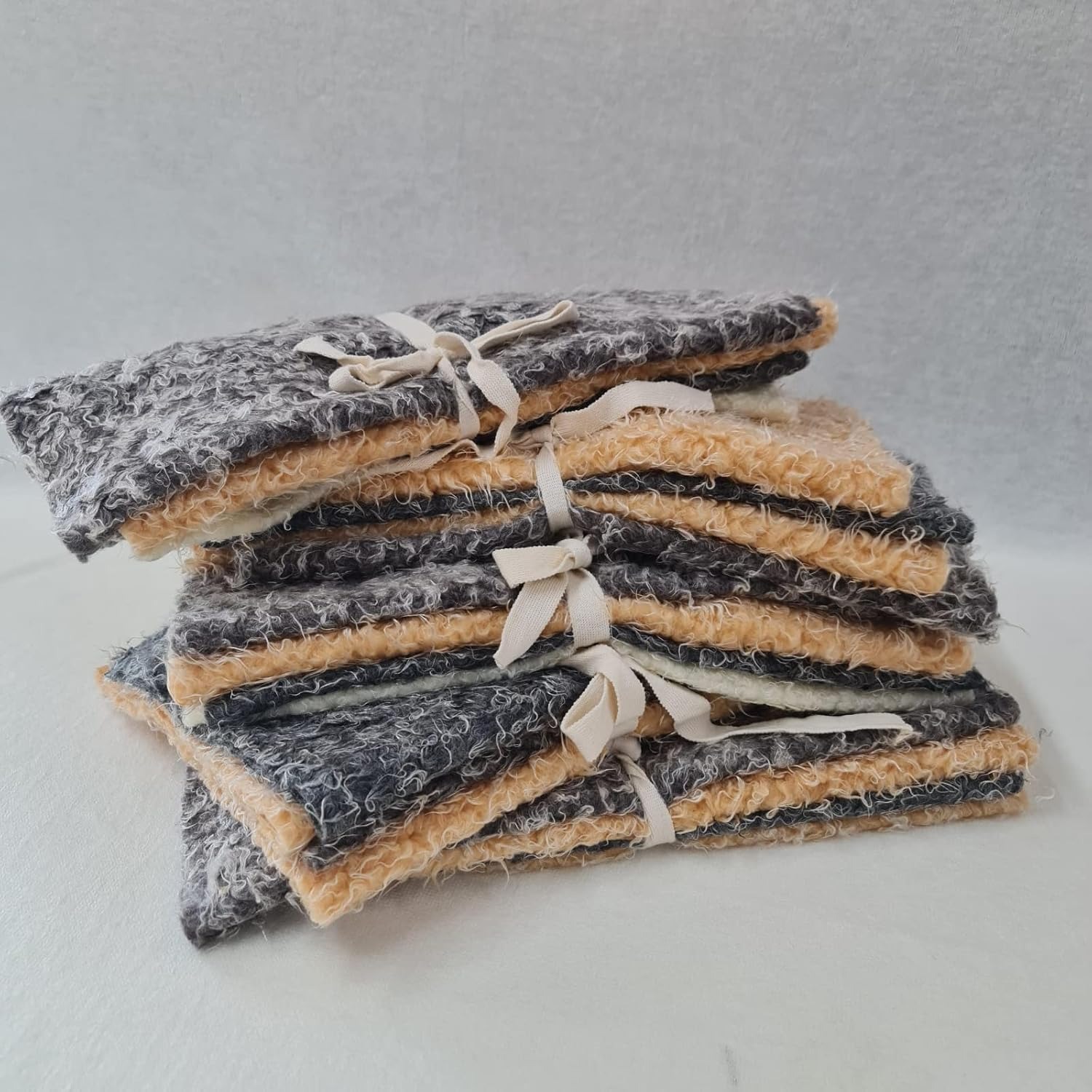
This faux fur fabric bundle offers four separate pieces in mixed colours. Each measures 50 x 40 cm. It is a format worth considering when your project needs small sections rather than one long, unbroken panel.
The key is to plan around what is supplied. Check the size of your pattern, decide whether mixed colours will work, and think about how you will join the fabric to the rest of your project.
What you are choosing
This is faux sheepskin fabric, not genuine sheepskin. The product details list polyester and describe the surface as soft. They also list a solid pattern and plain weave.
You receive four pieces, each measuring 50 x 40 cm. Although you may find this product by searching for craft fur squares, the supplied pieces are rectangular. That difference matters when laying out a pattern.
The bundle is not a continuous length. Joining pieces may be possible for some designs, but a join changes the construction and may remain visible. If your project needs a large uninterrupted surface, start by checking whether a single piece is wide and long enough.
How the fabric adds texture
Faux fur gives a project a different surface from a flat fabric. That contrast can become part of the design, whether you are planning a small decorative panel or a handmade ornament.
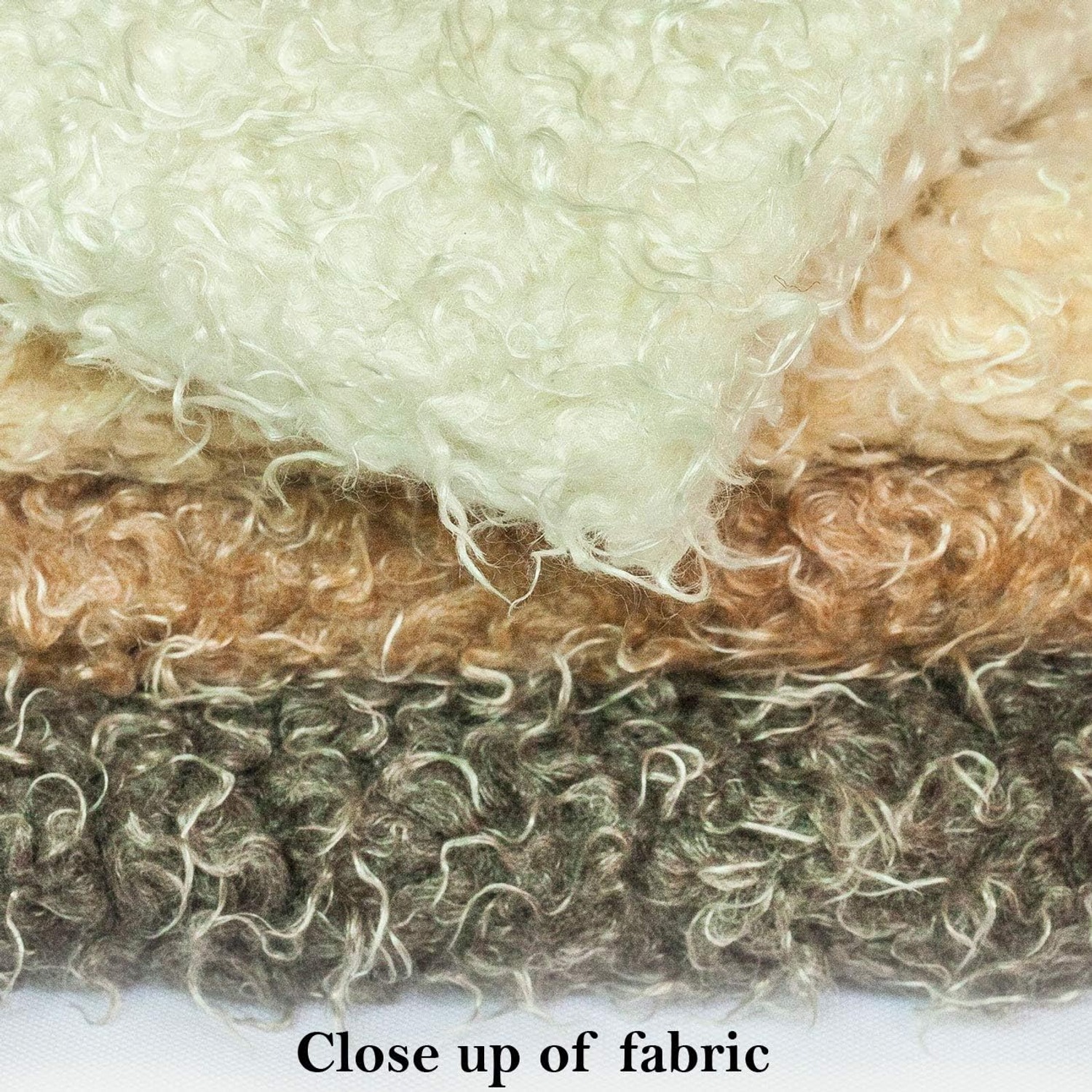
Here, the soft texture and faux sheepskin appearance are the main features. The maker does not state the pile length, thickness or backing construction. Those missing details matter if your design depends on a very short pile, a firm base or a precise finished depth.
Look at the fabric in person before making final construction choices. Bend a corner, check the reverse and see how the surface sits beside your other materials. A small trial can tell you more than a photograph about whether the combination works.
Who a mixed-colour bundle suits
Mixed colour faux fur can suit a maker who enjoys working with a range of shades. Separate pieces let you assign a different colour to each small project or compare several combinations before choosing one.
It can also be useful when the texture matters more than an exact colour match. For example, a decorative detail may allow more freedom than a repair to an existing item.
It is less suited to a project that needs several identical panels in one known shade. The exact colours in this bundle are not specified. If a close match is essential, do not assume that the photographs or a previous purchase will tell you precisely what you will receive.
Measure the pattern before the fabric
Start with the finished dimensions of your project, then work back to the cutting size. A finished panel and a cut panel are not always the same size. Seams, hems and folded edges can all use extra fabric.
Draw your required shapes on paper before ordering. Place them within a 50 x 40 cm rectangle and check whether they fit without overlap. If the project has several parts, count every part rather than just the largest one.
Think about orientation too. Turning a pattern sideways may help it fit, but the fur surface may look different when the pieces are placed together. Inspect the fabric before deciding which way each part should face.
Plan across four separate pieces
Four pieces give you several starting points, but they do not behave like one large sheet. A shape that is too large for one piece cannot be cut whole from the pack, even if the combined fabric area seems generous.
For a design with paired sections, decide whether you want those sections to match. Mixed colours may be a welcome detail, or they may work against the look you have in mind.
A paper layout is a simple way to avoid surprises. Give each piece its own rectangle on your plan, then assign the pattern parts. Leave room for testing a seam or cleaning method if your layout allows it.
Use colour photographs as a guide
Online images help show the general look of a fabric, but they are not exact colour references. Lighting, camera settings and your screen can all affect what you see.
That is especially important with a mixed-colour craft fabric bundle. The precise shade selection is not stated, so it is sensible to choose this pack for colour variety rather than a guaranteed palette.
If you are combining it with existing fabric, wait until the bundle arrives before making irreversible choices. Place the materials together in the light where the finished item will be seen. You may find that one pairing works better than the others.
Choose a project that fits the information available
Small decorative details are a useful place to start when considering faux fur for crafts. A panel, ornament or costume detail may allow you to adapt the design after seeing the fabric.
More demanding uses need more checks. A fitted item may depend on thickness or stretch, neither of which is stated here. A piece intended for outdoor use would need weather-performance information that the maker's description does not provide.
Likewise, fabric alone does not establish that a finished toy or pet item is suitable for its intended use. Consider the whole design, including joins, loose parts and how the item will be handled. Do not treat a soft surface as a safety claim.
Test your cutting and joining method
Before cutting your main shapes, inspect both sides of the fabric. Mark the reverse where practical, and check that your pattern is facing the right way.
Try your cutting method on a spare edge first. Work slowly with sharp tools, keeping fingers clear. The aim is to cut the shape accurately without disturbing more of the fur surface than needed.
For sewing, test a small seam before choosing final settings. The backing and the other materials in your project will affect what works. If you plan to use glue, make a separate test and let it dry fully so you can check for marks, stiffness or a weak bond.
Keep useful scraps
Small project fabric can leave small scraps, but some may still have a purpose. A narrow piece could be useful for a test seam, while a larger offcut may fit a later decorative detail.
Keep scraps with the remaining fabric so you know where they came from. They are useful for checking cleaning methods without risking your finished work.
There is no need to force every offcut into a project. Save the pieces you can reasonably use and keep your work area clear. A simple layout plan often reduces waste more effectively than trying to rescue every tiny trimming afterwards.
Care without guessing
The supplied care description is easy care. It does not give a wash temperature, drying method or ironing setting.
Check for a care label when the fabric arrives. Follow that guidance, and test any cleaning method on a hidden area or spare scrap first. Avoid heat treatments unless the supplied instructions permit them.
Care also depends on the finished item. Glue, thread, backing fabric and other additions may have different needs. Plan how you will clean the complete project before assembling it, rather than finding out after it has been used.
Store unused fabric clean and dry, away from direct sunlight. Keep it where it will not be repeatedly crushed beneath heavier craft supplies.
Inspect before cutting
When the bundle arrives, check the quantity, colour selection and condition before starting work. Lay out your pattern again and make sure you are happy with the fabric for your intended use.
Keep the original packaging while you decide. For UK returns, the stated window is 14 days from delivery, and the fabric must be unwashed, uncut, unused and in its original packaging. The customer pays return postage.
Faulty or wrongly described goods are put right free of charge. A delivery lead time is not stated by the maker, so check the available delivery information before ordering for a dated event or gift.
The short version
Choose this bundle when four separate pieces of soft, mixed-colour faux sheepskin fabric fit your plans. Each piece measures 50 x 40 cm, making pattern size and layout the first things to check.
Allow room for seams, accept that exact shades are not specified, and test your construction method before committing. With those checks done, you can decide whether this small-piece format suits the project you want to make.