
The complete guide
A Buyer's Guide to Neutral Cotton Fat Quarters
Choosing fabric for a small project can take longer than the sewing. You may want several prints, yet have little use for a full length of each. Buying separate fabrics can also leave you with more leftovers than you planned.
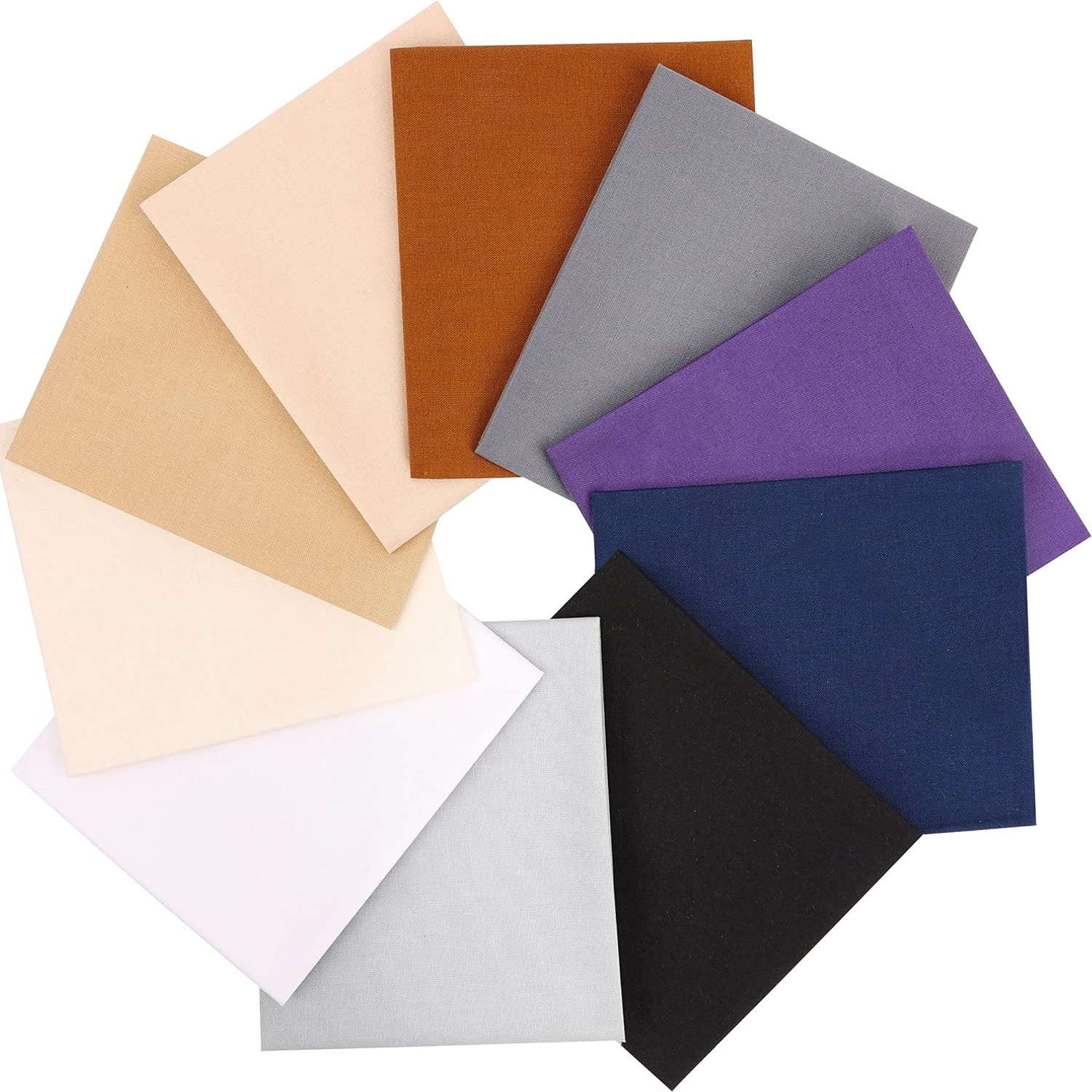
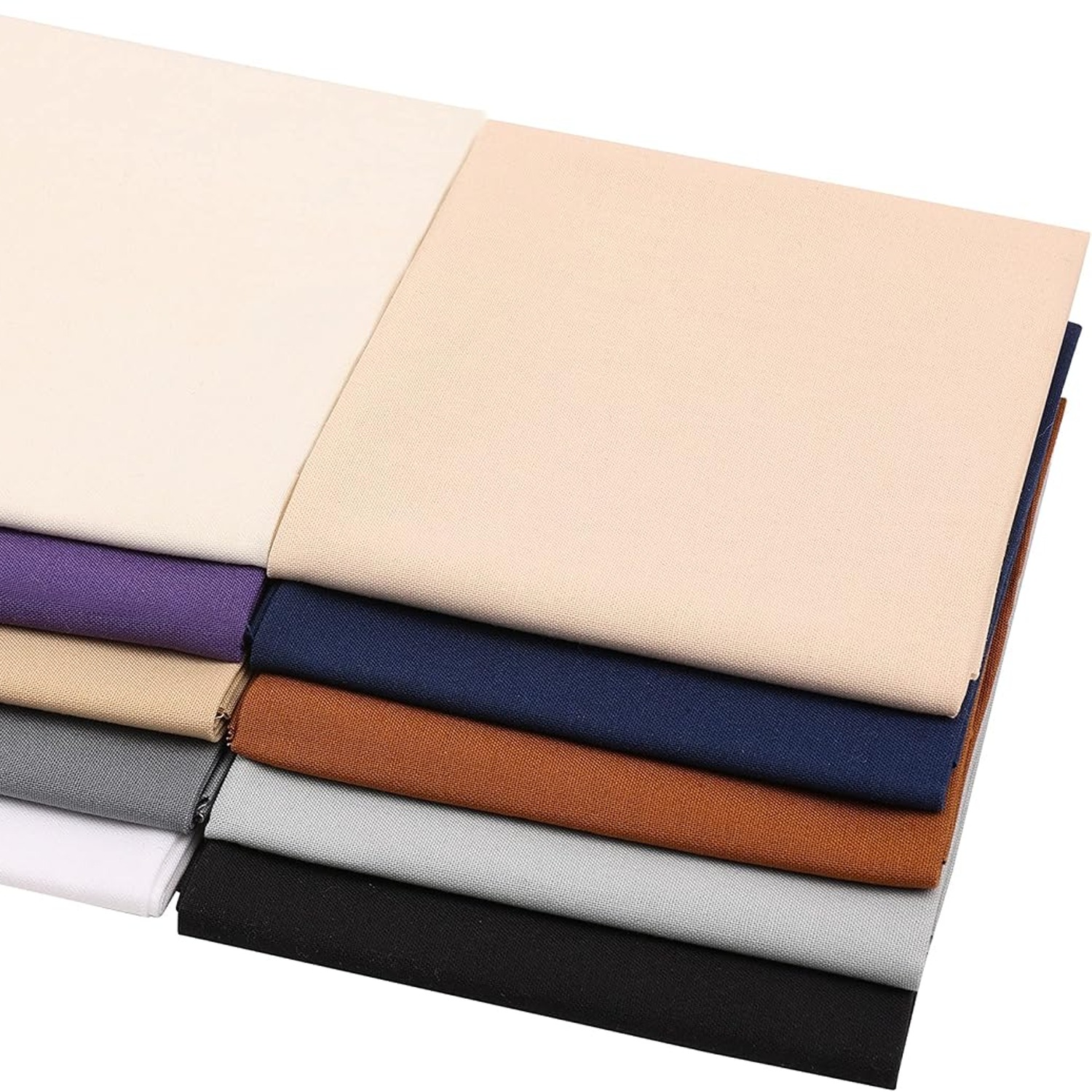
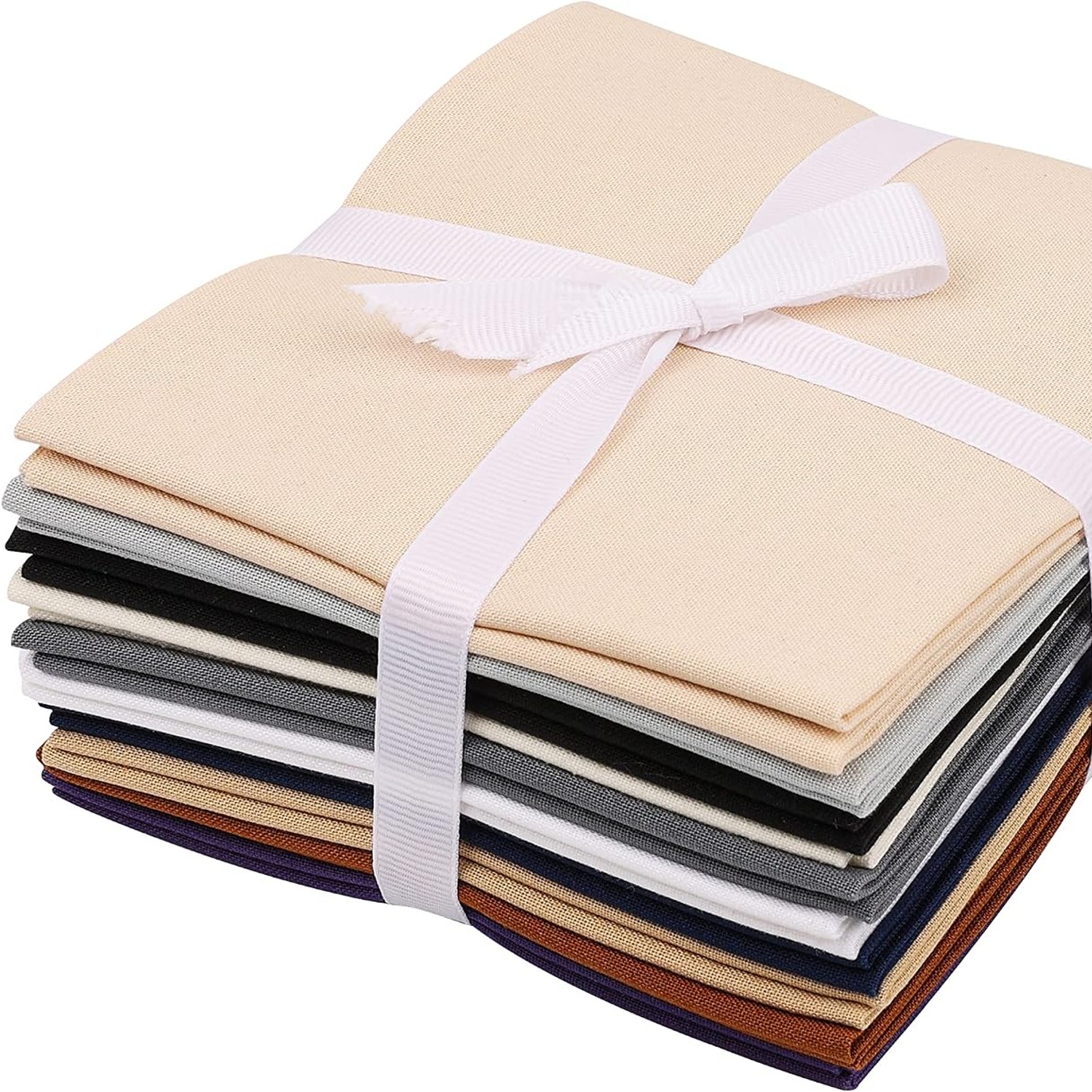
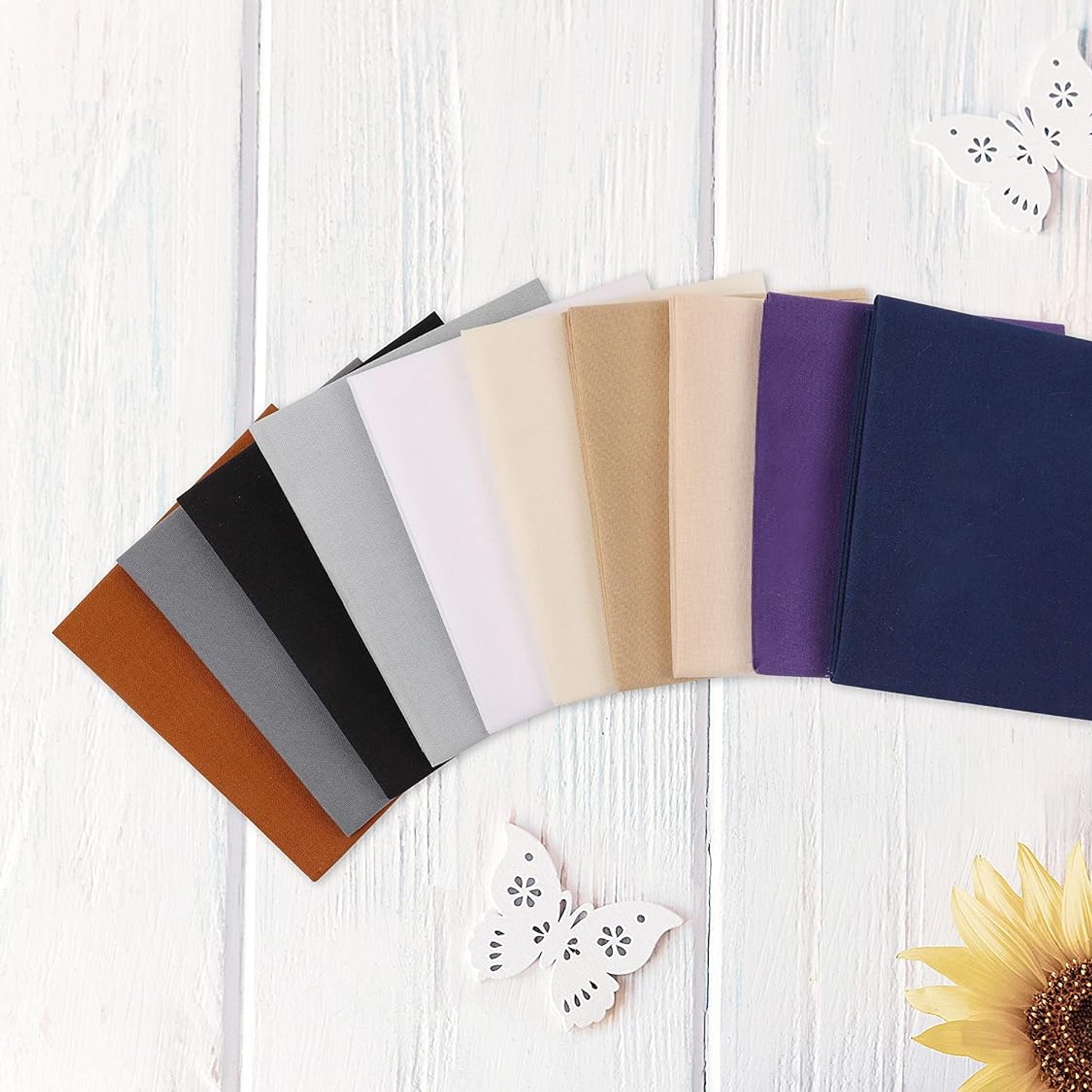
This fat quarter bundle offers a smaller starting point. It contains ten cotton pieces in neutral colours, each with a different nature-themed print. Every piece measures 46 x 53 cm (18 x 21 in).
The useful question is whether those pieces fit your idea. This guide explains how to check the size, plan your cuts and decide whether this pack belongs in your sewing basket.
What you get in the bundle
You receive one pack of ten precut cotton fat quarters.
The ten different prints share a nature theme and a neutral colour palette. Exact shade names are not stated, so avoid assuming that a particular cream, grey or brown will match fabric you already own.
The fabric is listed as plain-weave cotton at 145 g/m² and described as medium weight. Machine washing is included in the care details. The maker does not state a wash temperature, drying method or shrinkage rate.
Those facts give you a starting point for choosing a project. They do not replace the fabric requirements in a sewing pattern.
Why the shape matters
A fat quarter gives you a rectangle to divide into smaller shapes. That can be useful for patchwork blocks, applique pieces and small sewing projects where you want a choice of prints.
Think about the actual shape of your pattern pieces, rather than total fabric area alone. A long strap may not fit within a fat quarter even when the piece appears to contain enough fabric overall. A wider panel may need a seam or a patchwork layout.
For this pack, use 46 x 53 cm as your planning size. Include seam allowances and leave room for any trimming your pattern requires. Do not plan right to every edge without checking the pieces first.
Precut quilting fabric saves you from starting with a long length, but it does not remove all cutting. Most projects still need careful measuring, marking and trimming before sewing begins.
Who this pack may suit
A cotton fabric bundle can suit someone who wants to try several prints in one project. You might be building a set of patchwork blocks, adding applique details or making a few small sewn accessories.
It may also suit a newer sewer following a pattern designed around fat quarters. Having a fixed piece size makes the planning more concrete. You can draw the rectangle on paper and see how the required shapes might fit.
Experienced makers may prefer to separate the pack by project. One print could become a decorative panel, while another is kept for a later repair or patchwork border.
This is less suitable when your pattern needs a large unbroken panel or a long continuous strip. In that case, compare the pattern with fabric sold by length before deciding.
Start with the cutting list
Before buying any quilting fabric pack, read the whole pattern. Find the fabric requirements and cutting list, not just the photograph of the finished item.
Check whether the pattern calls for fat quarters of this size. Then count how many shapes must come from each print. Ten pieces do not automatically mean enough fabric for ten blocks, because block sizes and layouts vary.
A simple paper sketch can help. Draw a 46 x 53 cm rectangle and mark the planned cuts inside it. Include seam allowances and think about which way each printed shape will face.
If a design has a clear direction, you may not want to rotate every pattern piece to save space. Allowing for print direction can change how much fabric you need. Check the actual fabric before making the final cutting plan.
Working with neutral nature prints
Neutral patchwork fabric gives you a palette to plan around, but the arrangement still matters. Lay the pieces out together before choosing which prints will sit next to each other.
Look at the difference between lighter and darker areas. Two prints may look distinct when held separately, then blend together from a few steps away. That can be useful for a quiet effect, but less useful if you want each block to stand out.
Try moving the pieces around on a table and taking a quick photograph. Viewing the layout on a smaller screen can help you spot areas that look too similar.
If you are matching this nature print fabric with an existing project, check colour carefully. A description such as neutral does not promise an exact match to fabric already in your stash.
Planning patchwork and applique
For patchwork, decide whether each print will have an equal role. You might repeat the same block with different fabrics or reserve a few prints for smaller details.
Cut only after you have checked the full layout. Once a large piece has been divided, you cannot recover the original shape for a different part of the project. Starting with the largest required cuts can help you avoid that problem.
For applique, place templates on the fabric before cutting. Consider which part of a print you want to show within each shape. Leave the allowance required by your chosen applique method.
Keep usable offcuts together. A piece too small for a block may still work for a leaf, a patch or a decorative detail later.
Looking beyond quilts
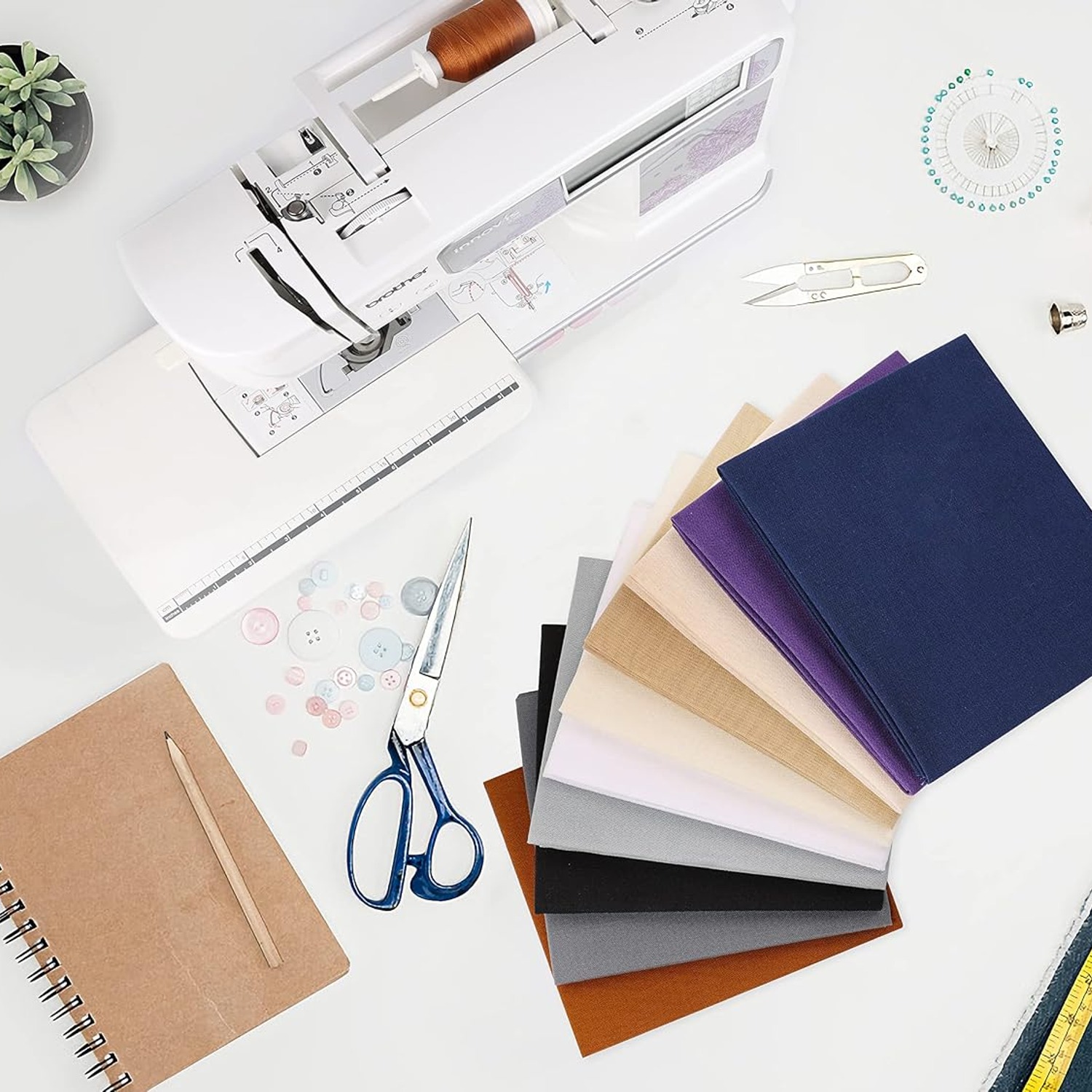
The listed uses include sewing, crafts, bags, cushion covers and machine embroidery. Treat those as project ideas, then check the needs of your chosen pattern.
A bag may need lining or interfacing to give it the shape you want. Those requirements depend on the design, not simply on whether cotton appears in the materials list.
For a cushion cover, compare the panel size with the fat quarter dimensions. A patchwork front may be an option where a single piece is too small. Remember that the back and closure also need materials.
If you plan to use this as machine embroidery fabric, test your chosen stitches and stabiliser on a spare piece. The maker does not supply machine settings, so a small sample is more useful than guessing on the main panel.
Preparation before the first cut
Open the pack and check the pieces before washing or sewing.
Then read the pattern's preparation advice alongside any supplied care label. Some projects call for fabric preparation before cutting. The maker's description here lists machine washing but does not give a full wash routine.
Shrinkage and colourfastness figures are not stated. If either could affect your project, test a small offcut rather than assuming how the fabric will behave.
Pressing instructions are also not specified by the maker. Check the label and test cautiously before pressing a full piece. Preparation should support the project, not introduce a new problem before you have started.
Care after sewing
Once the project is finished, its care may depend on more than the cotton alone. Lining, thread, interfacing and decorative parts can all affect how you should clean it.
Follow care guidance that suits every material in the finished item. Do not choose a wash temperature based only on the fact that this fabric is machine washable.
Store unused neutral fat quarters somewhere clean and dry, away from direct sunlight. Keeping the pieces flat or neatly folded makes them easier to sort when you return to the project.
Label any tested offcuts if you want a description of how you washed or pressed them. That small step can be useful when you pick up the same fabric months later.
Buying for someone else
A bundle can be a thoughtful choice for someone who enjoys sewing, especially if they often make patchwork or smaller items. It gives them fabric to plan with rather than a fixed finished project.
Still, check their preferences where possible. A person who works mainly with large garment panels may have less use for fat quarters than someone who enjoys applique.
If you intend to give the pack as a gift, consider the return window before ordering. Keeping it unwashed, uncut, unused and in its original packaging preserves the stated change-of-mind return conditions.
Delivery, returns and the short version
A delivery lead time is not specified by the maker. Check the checkout information before ordering for a class, deadline or gift.
The stated return window is 14 days from delivery. Change-of-mind returns require unwashed, uncut, unused fabric in its original packaging, with return postage paid by the customer. Faulty or wrongly described goods are put right free of charge.
The short version is simple. Choose it when those dimensions fit your cutting list and you want several prints for smaller fabric cuts.
Check the pattern first, plan the layout, then wash or cut only when you are ready to keep the pack.