

The complete guide
A Practical Guide to Choosing and Using Natural Calico
Start with a trial, not your final fabric
Cutting into fabric for a new pattern can feel like a big step. You may know the look you want but still need to check the fit, test a seam or work out how the pieces go together. A plain trial fabric gives you space to make those decisions before committing your final material.
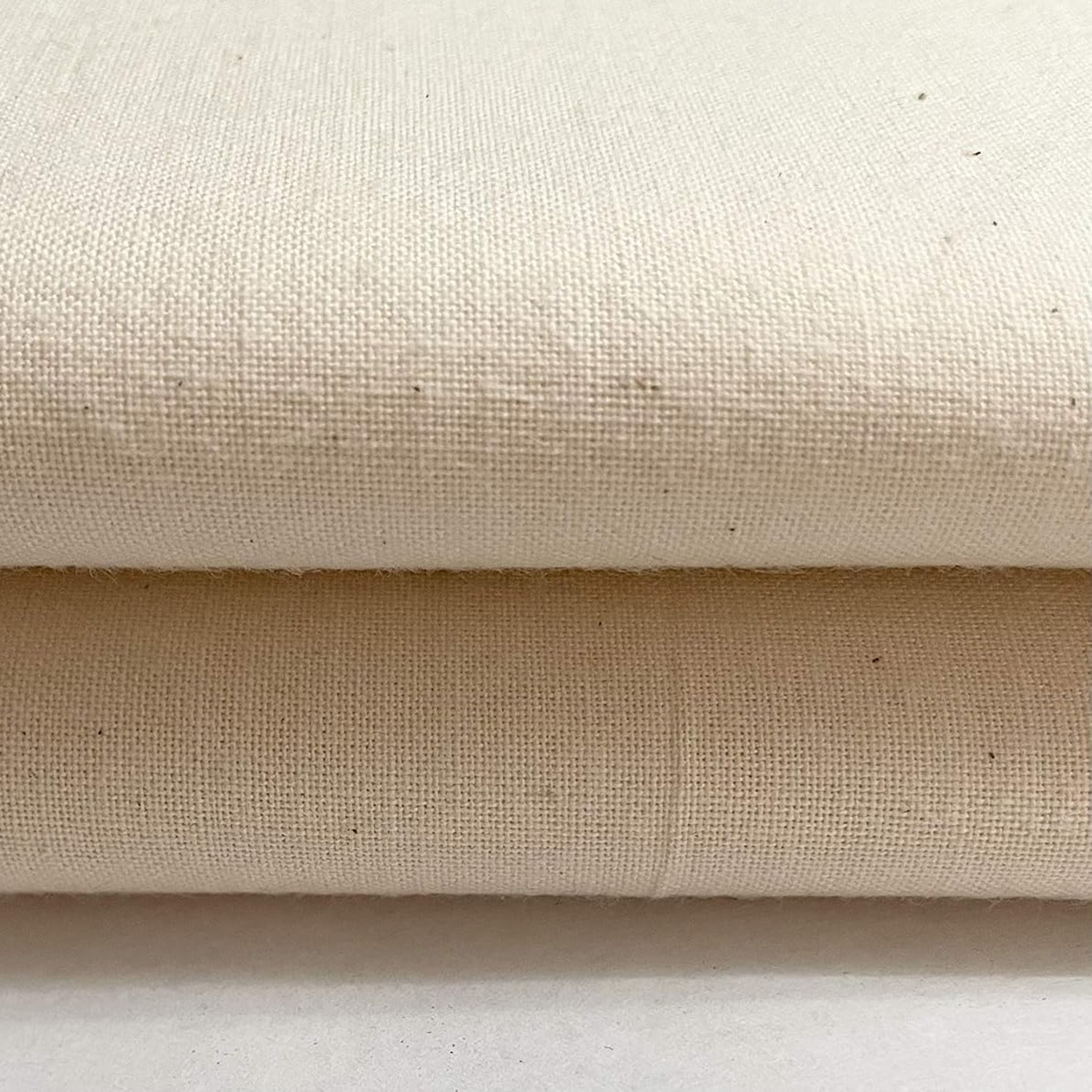
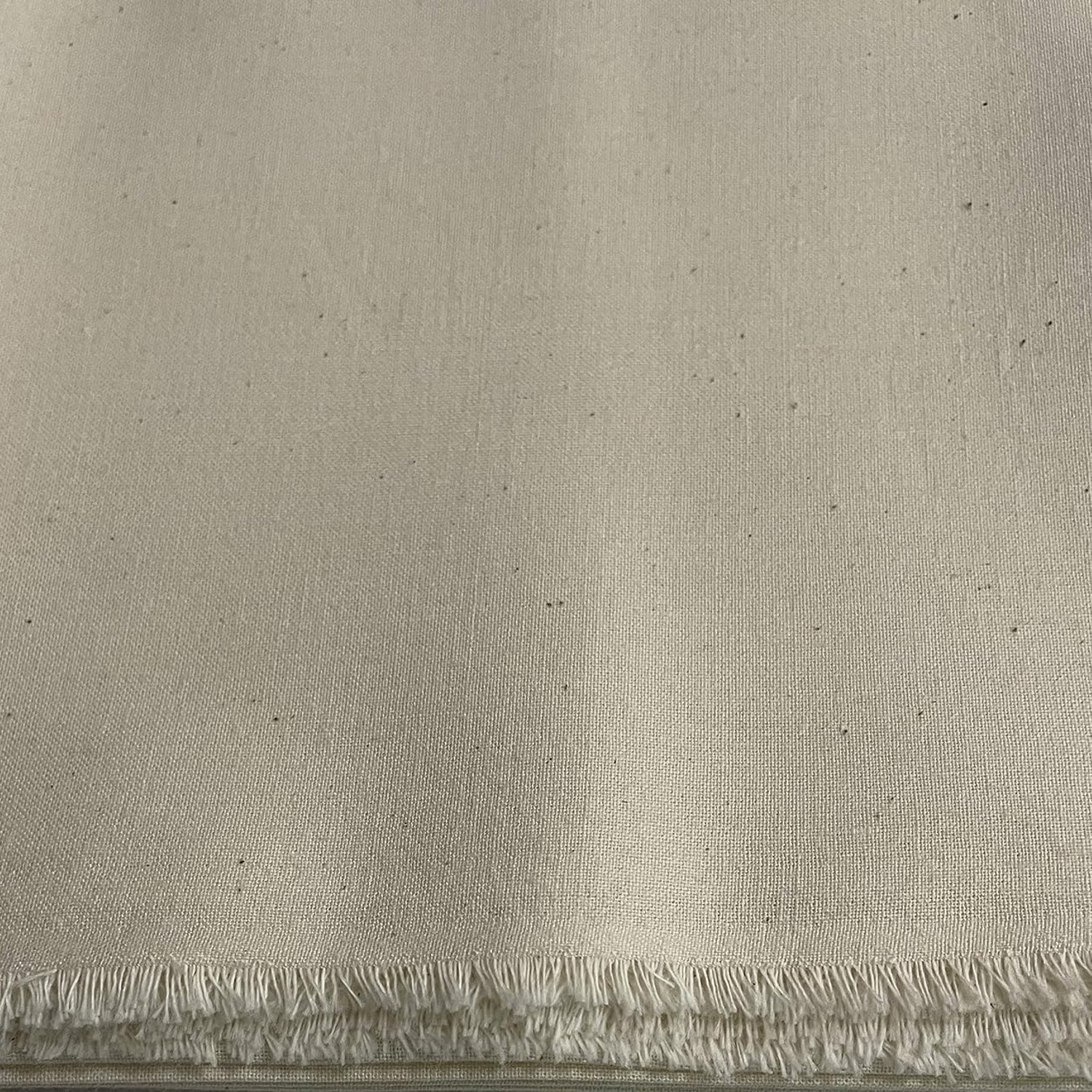
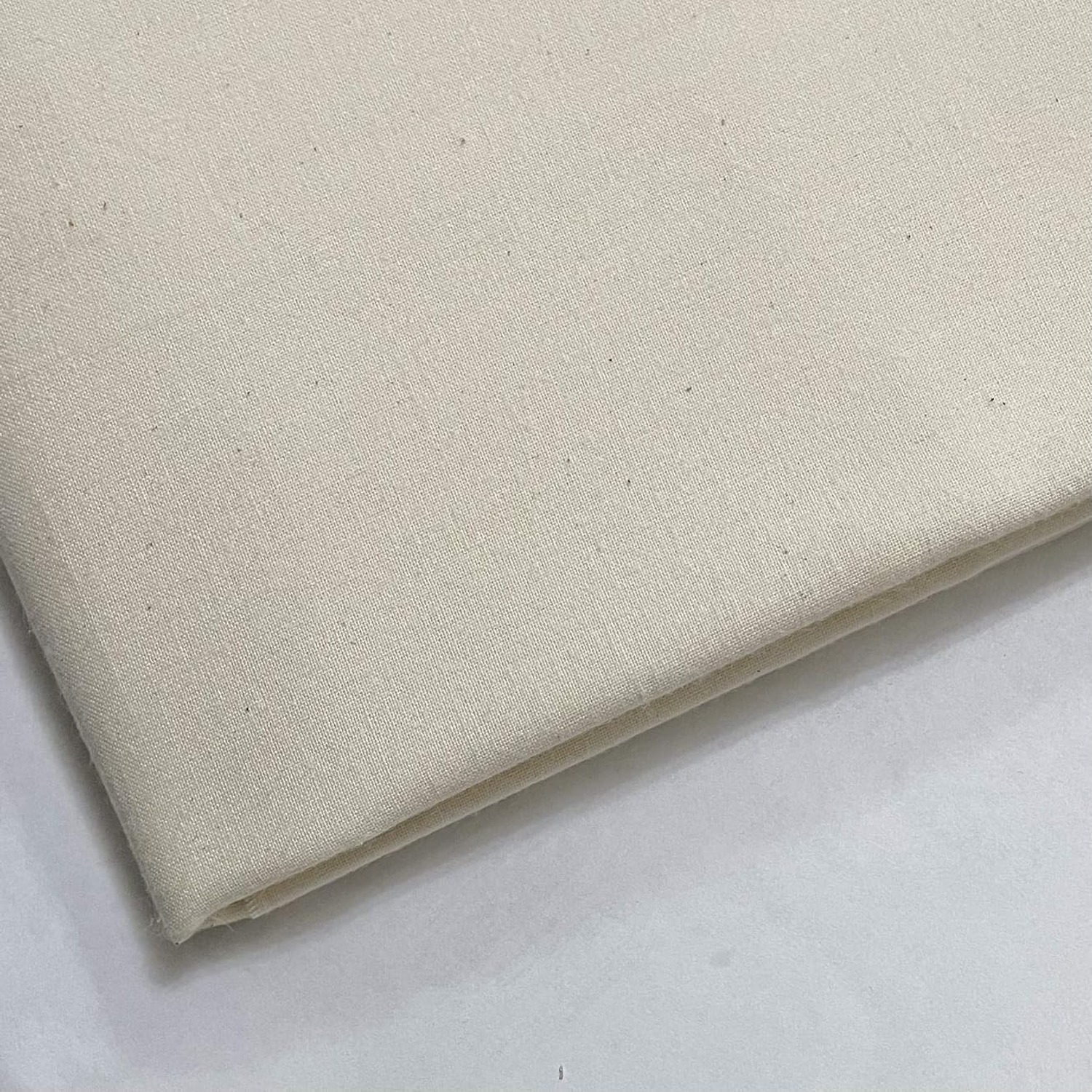
This calico fabric comes as one piece measuring 3 metres long and 160 cm wide. It is natural, unbleached cotton with a plain weave and a stated weight of 150 gsm. Suggested uses range from dressmaking mock-ups to lining and craft work.
The useful question is not simply whether calico is versatile. It is whether this particular length, width and weight suit what you want to make. A little planning before you wash or cut it can prevent an awkward shortage later.
Know what you are buying
This is a fixed 3-metre piece, not a custom-length cutting service. If you found it through a search for natural calico by the metre, keep that distinction in mind. Plan around the dimensions of this piece rather than expecting to choose an exact length at checkout.
The stated width is 160 cm. That gives you a broad surface for laying out pattern pieces, but width alone does not tell you whether a project will fit. Piece shapes, grain direction and cutting instructions all affect the layout.
The fabric is described as medium weight, at 150 gsm. This figure refers to fabric weight per square metre. The listed item weight of 749 g is a separate detail, not a substitute for the gsm figure when comparing fabrics.
Understand the natural finish
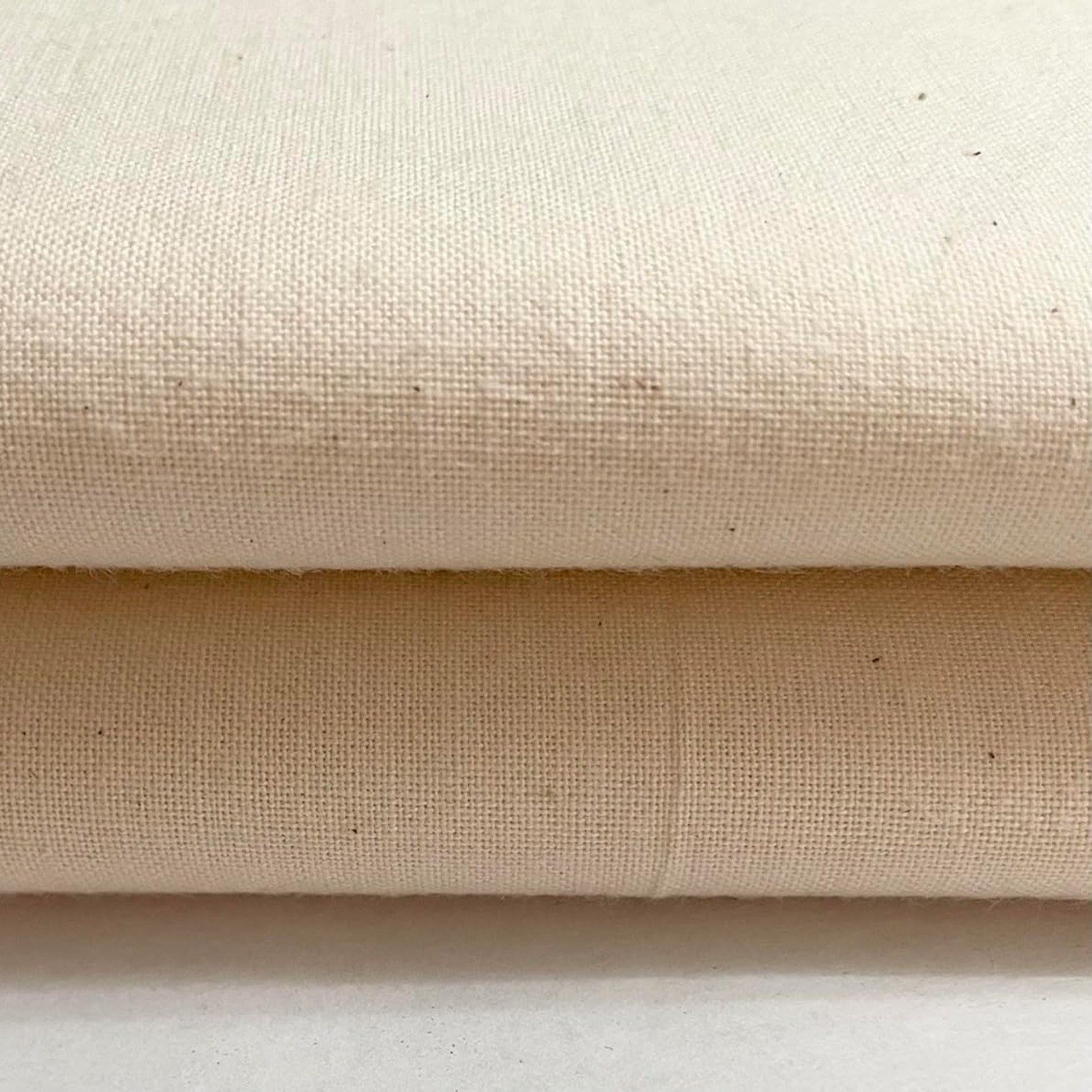
Unbleached cotton calico has a natural colour rather than a bleached white finish. The description calls the shade creamy, and the pattern is listed as solid. That plain background can be useful when you want the shape, seams or surface work to stay in view.
“Natural” does not establish organic status, a country of origin or a safety certification. None of those details is supplied in the maker's description. If your project has a firm requirement for a certified material, get that information confirmed before buying.
The fabric is also unpreshrunk. This matters because a project cut to exact measurements before washing may not keep those measurements afterwards. The maker does not state a shrinkage percentage, so there is no reliable figure to subtract from your cutting plan.
Use calico for pattern testing
A toile is a trial version of a garment. It helps you look at fit and construction without using your chosen final fabric. Calico for toiles is a stated use for this product, and its plain appearance keeps attention on the shape you are testing.
You might use a trial to review the position of a waist seam, check the room through a shoulder or practise joining an unfamiliar section. Mark changes clearly on the trial, then transfer the changes you want to keep back to your pattern.
Remember that a mock-up can only tell you so much when the fabrics behave differently. A plain woven cotton trial will not necessarily show how a stretchy knit or a flowing fabric will sit. Choose dressmaking mock-up fabric with the purpose of the test in mind.
For a construction trial, this calico may help you work through the steps. For a close check of movement or drape, compare it carefully with the final material.
Check your layout before ordering
Start with the pattern's fabric requirements and the width those requirements assume. Then compare them with this 160 cm wide calico.
Large pieces can take more room than expected. A wide skirt panel, for example, may leave an offcut that is too narrow for another large section. Small pattern pieces may fit into those spaces, but only if the grain and cutting directions allow it.
Think about whether you need a complete trial or only part of one. If you are checking one sleeve or a pocket method, a smaller test may answer the question. If you are checking overall fit, leaving out major sections could give a misleading result.
Allow for pre-washing and any test swatches too. Treat the full unwashed dimensions as your starting point, not a promise of the final usable size.
Choose craft projects with a clear purpose
Calico craft fabric offers a plain starting surface for sewing and decoration. Cotton bags, lining and home décor are among the suggested uses. Pick a project whose demands match the stated fabric weight rather than assuming one cotton cloth suits every job.
For a bag, consider the pattern, seam construction and intended load. Make a sample seam before committing to the full piece. The maker does not give a tested load capacity, so avoid treating the fabric description as a strength guarantee.
For lining, think about how the calico will sit with the outer fabric. A lining changes more than the inside appearance. It can affect bulk, movement and how an edge turns. Hold or stitch small samples together before deciding.
Home projects need the same care. No outdoor, light-blocking or fire-resistance performance is stated. Where a project depends on one of those properties, choose material with that requirement confirmed.
Try paint, print or dye on an offcut
The natural surface is described as suitable for painting, printing and dye work. That makes it an option for trying a design before building a finished item around it. Still, the result depends on the product and method you use.
Start with a small offcut. Check whether paint spreads beyond your line, whether ink covers evenly and whether a dye gives the colour you expected. Follow the instructions for the colouring product, including any preparation or fixing steps.
Keep the fabric's care needs in mind when choosing a process. A method that needs treatment outside those care instructions deserves extra checking before you use it on the whole piece.
If you need a repeated design to look consistent, keep notes from the trial. Details the products and steps used so you have a useful reference. This is more reliable than trying to remember how you made a sample several days earlier.
Resolve care questions before cutting
The supplied care information is inconsistent. The product details say hand wash only, while another part of the source mentions machine washing. Follow the more cautious hand-wash-only instruction unless you receive confirmed guidance for this fabric.
Pre-washing is recommended because the cotton is unpreshrunk. Do that before cutting when you are ready to keep the piece. Once it is dry, check the usable dimensions again and review your layout.
No wash temperature, shrinkage rate or ironing setting is specified in the maker's description. Avoid filling those gaps with assumptions from another cotton fabric you have used. Similar fibre content does not establish identical care needs.
There is also a practical timing point. Washing changes the fabric's eligibility for a change-of-mind return under the stated terms. Inspect it first, decide whether it meets your needs, and only then begin preparation.
Make useful use of the remaining fabric
After cutting the main project, keep workable offcuts for tests. A small piece can help you check a seam finish, compare thread colours or try a painted detail without risking the larger work.
For beginners, practice pieces can make unfamiliar steps easier to understand. Try the same seam more than once and compare the results. Change one setting or method at a time so you can see what made the difference.
Avoid judging every offcut by size alone. A narrow strip may still help with a small construction test, while a larger irregular piece may suit a surface-design sample. Give each piece a purpose before deciding whether to keep it.
Check delivery and return details
A delivery lead time is not provided by the maker. Look at the estimate for your address before ordering, especially if you need the fabric for a class, a gift or a deadline. Leave time for inspection and preparation as well as sewing.
For UK change-of-mind returns, the stated window is 14 days from delivery. The fabric must be unwashed, uncut, unused and in its original packaging. Return postage is paid by the customer.
Faulty or wrongly described goods are put right free of charge. If something appears wrong, contact us with your order details before working on the fabric.
The short version
Choose this natural calico fabric when you need one 3-metre piece of 160 cm wide, plain weave cotton for trials, lining or suitable crafts. Its unbleached finish offers a simple background for both sewing and surface-design tests.
Check the layout, allow for shrinkage and inspect the piece before washing. Then start with a small test that answers a clear question. That is often the most useful first step towards a project you are happy to finish.