
The complete guide
Choosing a Hessian Fabric Roll for Tables and Crafts
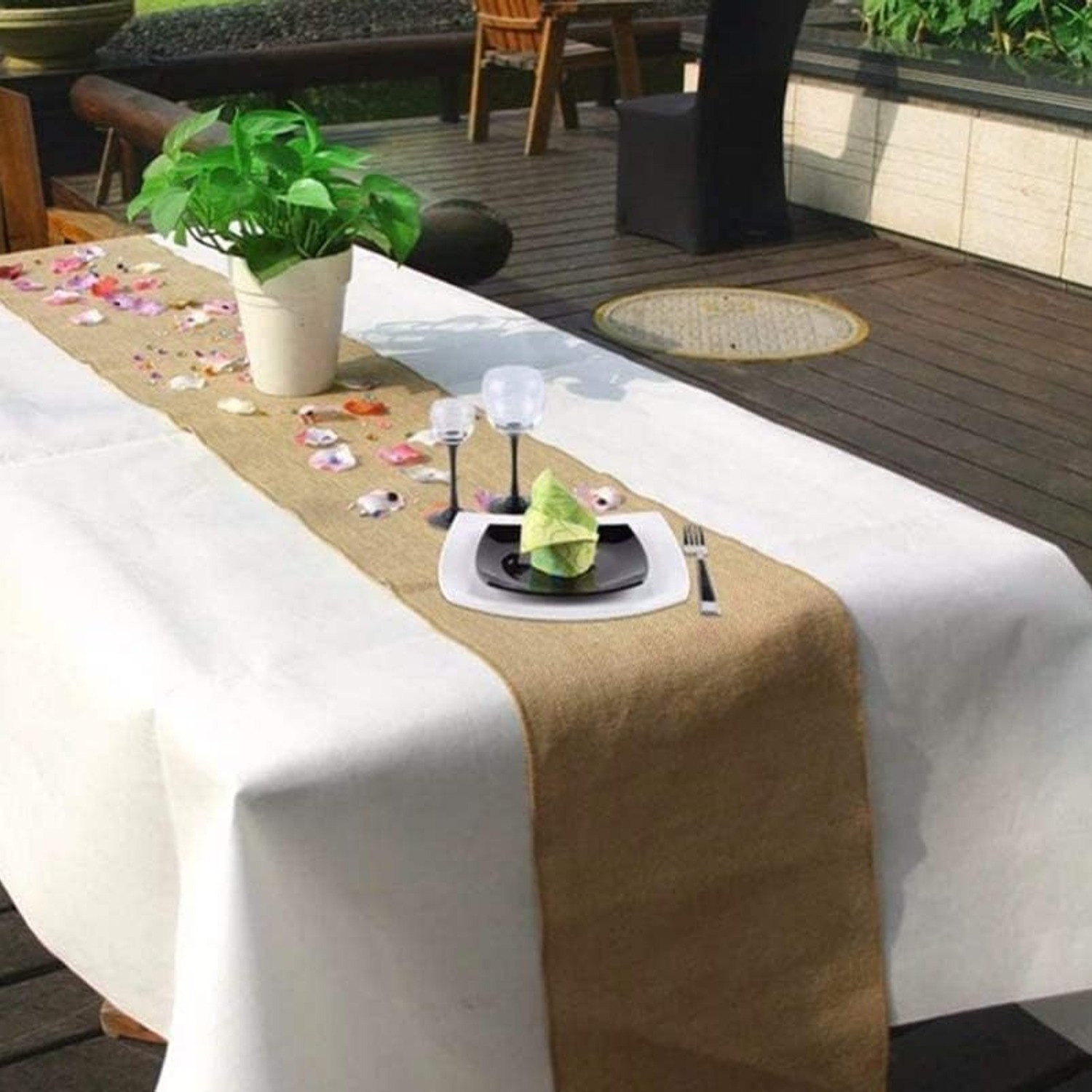
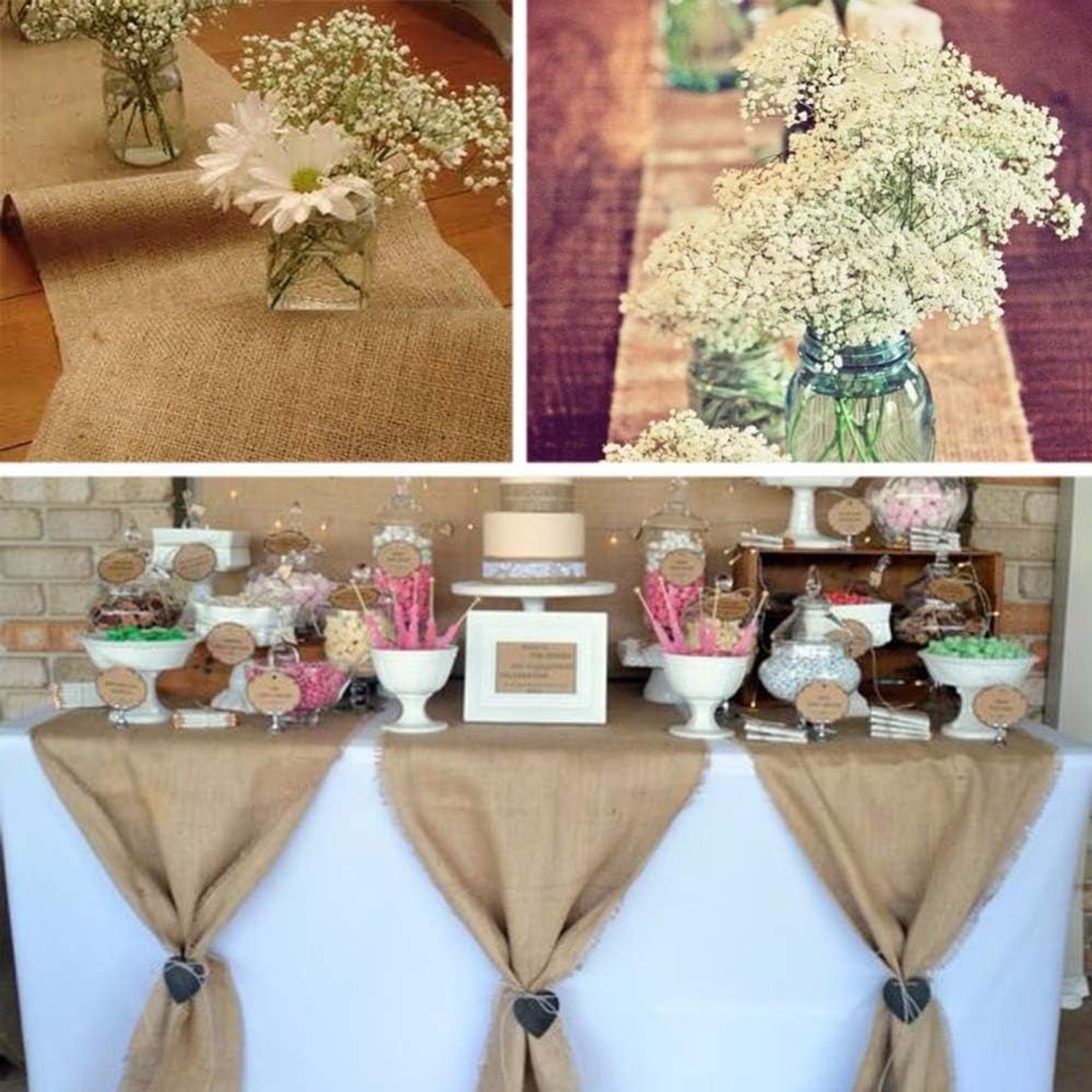
A table can look unfinished even when the plates and flowers are in place. Sometimes it needs a strip of texture through the centre rather than another decoration. A hessian fabric roll offers a simple way to add that rustic detail without covering the whole surface.
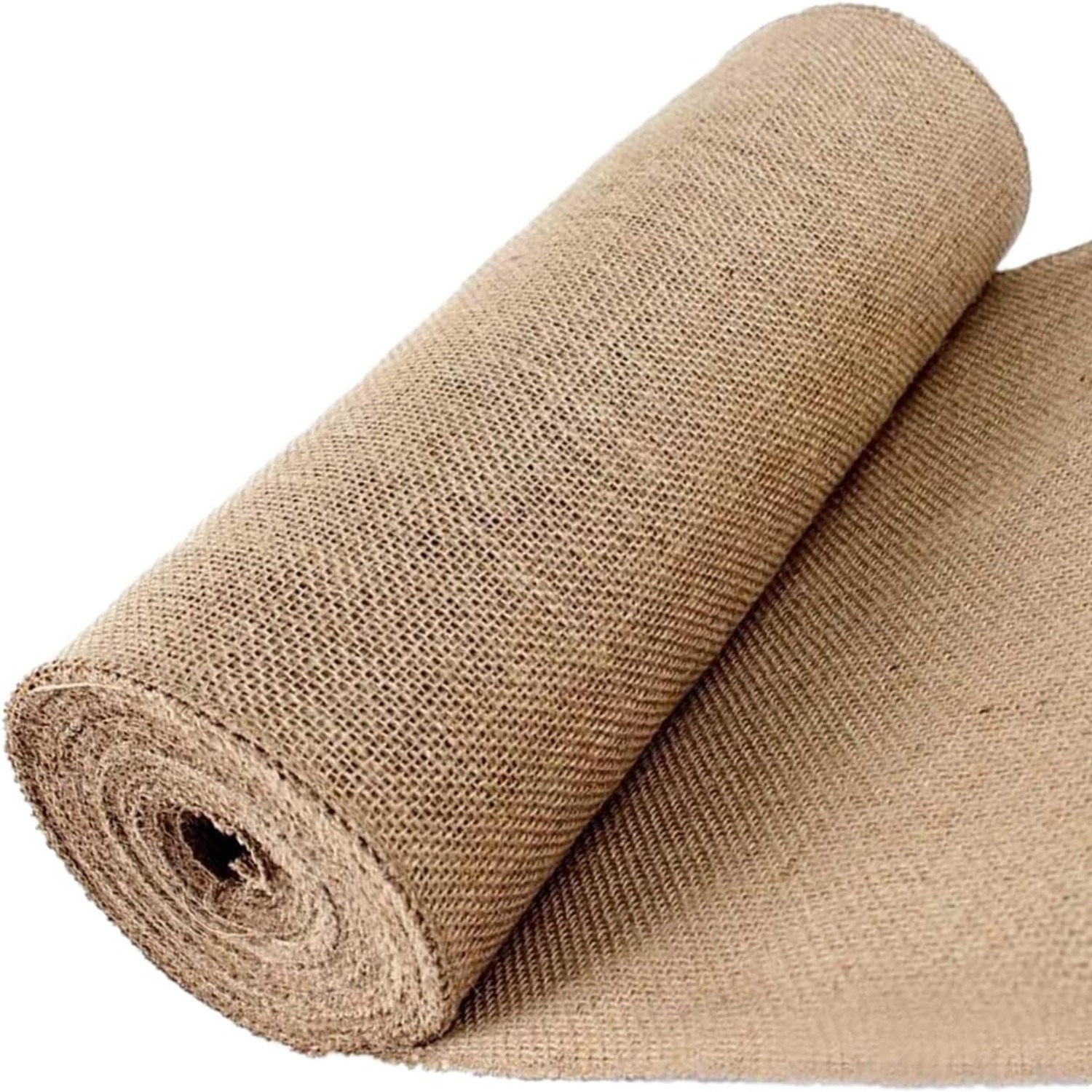
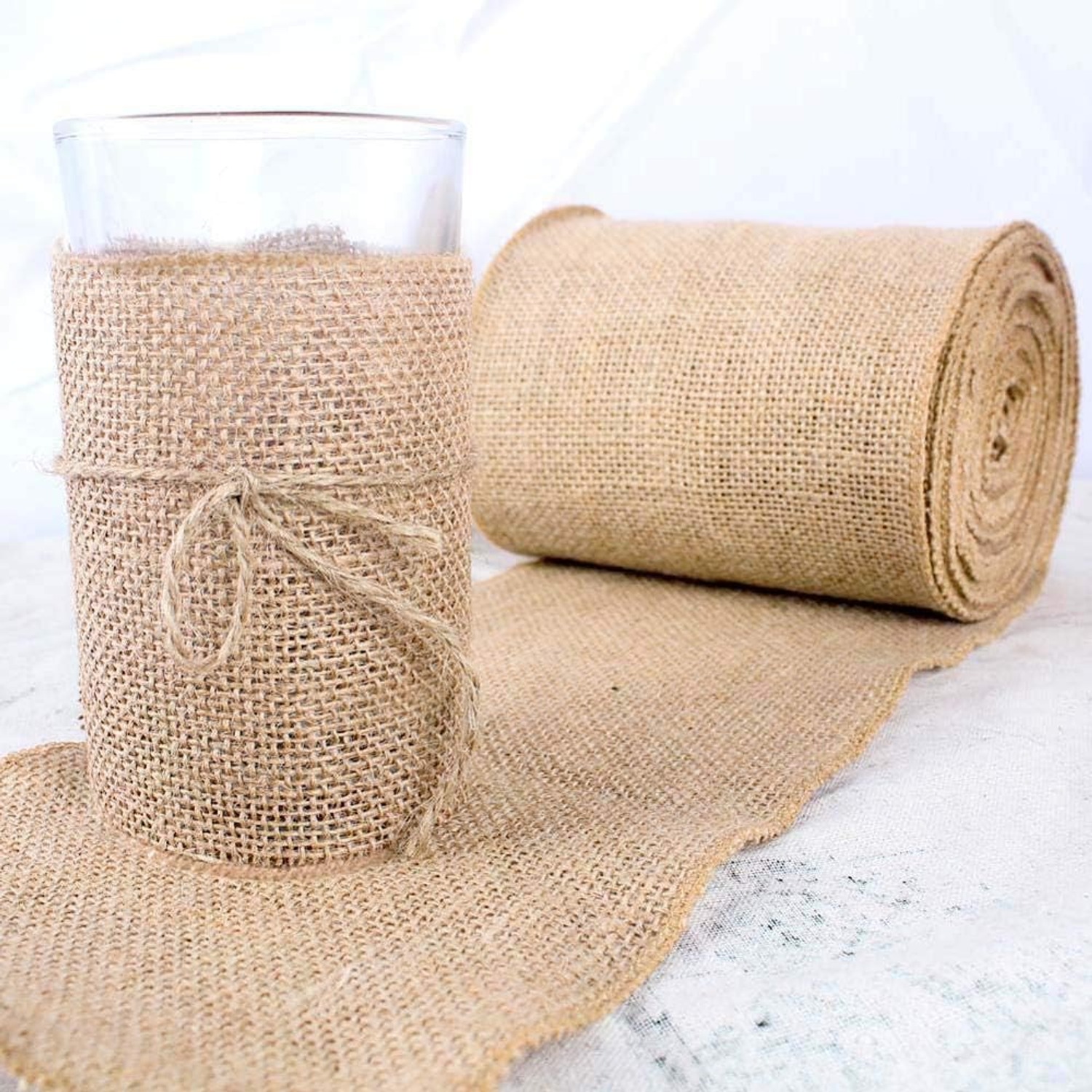
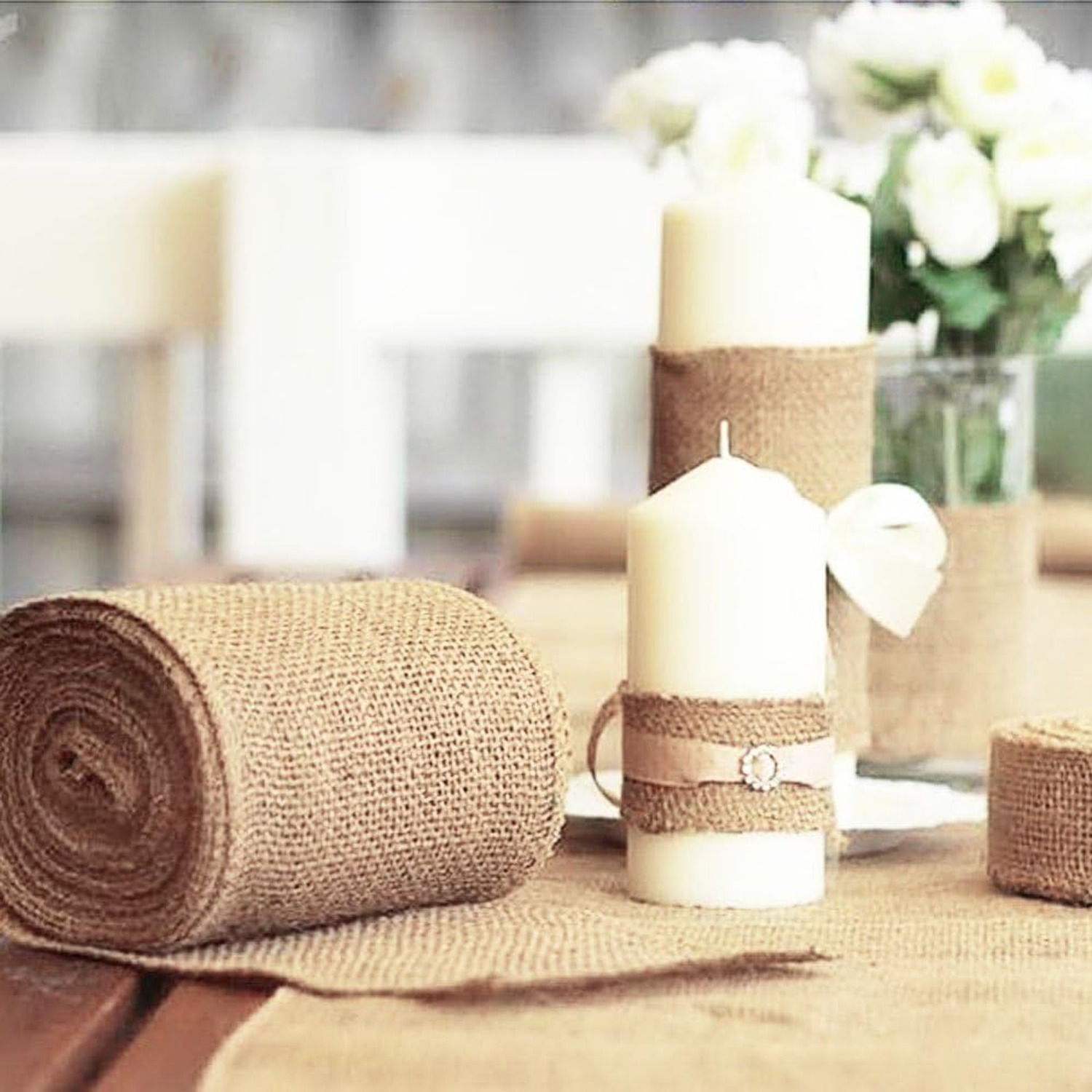
The same fabric can also be useful for smaller craft projects. The key is choosing a piece that fits your plan, not just choosing a look you like. This roll contains one piece of natural jute hessian, 30 cm wide and 1.6 metres long, with sewn side edges. Those measurements should guide your decision from the start.
Start with the size of your project
Before choosing any fabric, measure the area it needs to cover. For a table, note both the length and width. Then decide whether you want the runner to sit within the tabletop or extend beyond the ends.
If the table is longer than the fabric, the runner will sit within its length. On a shorter table, some fabric may extend beyond the ends. Neither layout is wrong. They simply create different looks.
The 30 cm width matters just as much. Mark that width on your table with paper or a tape measure. Check how it sits between place settings, serving dishes and any centrepiece. This small step makes it easier to picture the finished arrangement.
For craft work, sketch your pieces on paper before cutting anything. Leave room for seams or folded edges where your design needs them.
What you get in this roll
This is one roll of hessian fabric, supplied in one pack. It measures 30 cm by 160 cm and has a listed item weight of 200 g.
The material is stated as 100% jute. Its pattern is solid, and its style is rustic. The colour information gives the code A rather than a descriptive shade name. If an exact colour match matters, that code alone will not tell you enough.
Some details are not specified. These include fabric thickness, weight per square metre and country of origin. Keep those gaps in mind when comparing this roll with fabric sold for a technical sewing or furnishing task.
For a decorative project, the size and appearance may be your main concerns. For work that depends on strength or a precise fabric weight, seek those missing details before buying.
Why the side-edge finish matters
The original side edges are sewn and overlocked. That finish helps limit fraying along the length of the roll, which is useful when you want to lay it out as a hessian table runner.
It also means the long edges already have a finish when you begin a project. You can plan around those edges rather than assuming every side needs the same work.
There is an important limit, though. Cutting the roll creates fresh edges. The existing stitching does not protect a new cut made through the middle of the fabric. If you are making smaller pieces, include edge finishing in your plan.
The maker's details does not describe the finish on both short ends. Check the roll before setting it out, especially if the ends will be a visible part of your table arrangement.
Using it for table decoration
A rustic table runner can act as a base for a simple arrangement. Start by laying the fabric in position before adding anything else. This lets you judge the width, end placement and balance of the setting.
You do not need to fill every part of the runner. Leave room for the table to work as a table, with enough space for dishes and comfortable place settings. A strip of jute table decoration should support the layout rather than make it awkward to use.
If you plan to place vases or other containers on the fabric, check that they stand securely. Use suitable protection wherever heat, moisture or spills could reach the tabletop.
This fabric is not described as heat-resistant or waterproof. A decorative layer should not be treated as a substitute for a trivet, coaster or other surface protection.
Planning rustic wedding table decor
For an event, work from the actual table measurements rather than an estimate.
Make a sample layout first. Place a 30 cm wide strip of paper along the centre and mark out the 1.6 metre length. This helps you decide whether one roll creates the look you want on each table.
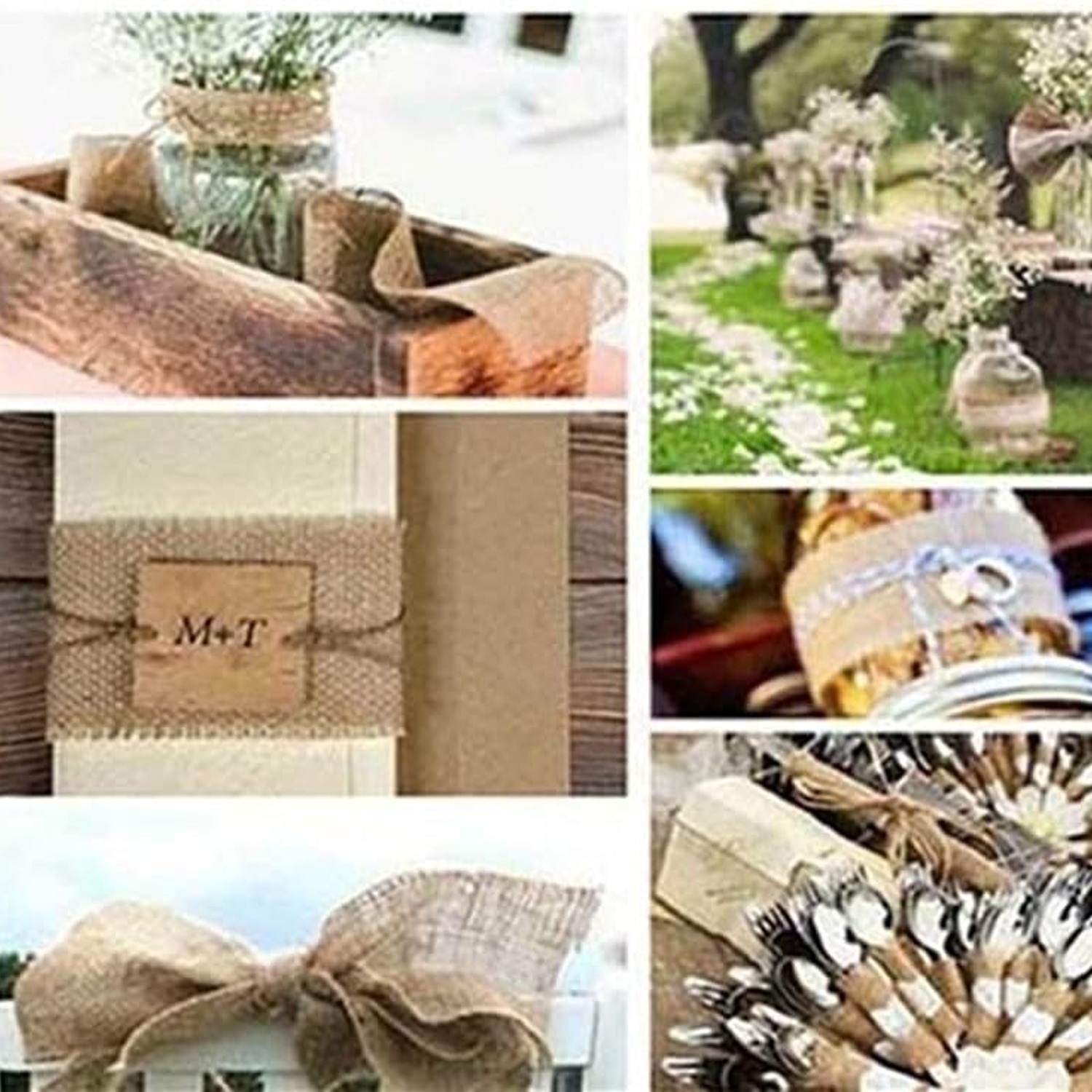
If your hessian wedding decorations include smaller pieces as well as runners, draw a cutting plan. Count all the pieces and allow for any finishing your design needs. Do not assume one roll will cover several projects without checking the sums.
Give yourself time to inspect and air the fabric before the event. The maker's details notes that natural jute may have a plant-fibre scent that fades over time. Last-minute unpacking leaves less room to deal with that.
Choosing it for crafts and sewing
A burlap craft roll can be useful when your design calls for rustic fabric in a narrow format. Rather than starting with a large sheet, you have a defined width to build around.
Think about which parts of the finished piece will be visible. You might keep the sewn sides on show or place them within a seam, depending on your design. Make that choice before marking your cuts.
For hessian sewing fabric, the project requirements still come first. Check your pattern's fabric guidance and any need for lining, backing or a particular thickness. This product does not supply every detail needed for more demanding sewing work.
If you are trying an unfamiliar technique, practise on an offcut once you have decided to keep the roll. Remember that cutting it changes its eligibility for a change-of-mind return.
Know the limits of suggested uses
The supplied use suggestions include more than tables and crafts. They also mention applications such as upholstery and garden work. Those suggestions do not provide performance test results.
For example, a fabric used on a frequently occupied seat needs to meet different demands from a decorative panel. Abrasion performance is not specified by the maker, so do not assume the roll is suitable for hard-wearing upholstery.
The same care applies outdoors. Weather resistance and an outdoor service life are not stated. If your project must cope with rain or long exposure, ask for more information or choose a material with clear specifications for that job.
This is a useful distinction when shopping. A listed application can suggest an idea, but it does not answer every question about how the fabric will perform.
Check the fabric before making changes
When the roll arrives, inspect it before washing, cutting or using it. Keep the packaging while you make that decision.
For an exact colour scheme, compare the fabric with your other materials in the place where you intend to use it. The maker does not give a descriptive colour name, so an exact match is not promised.
If you notice a plant-fibre scent, allow time for airing. Do not assume the fabric is scent-free simply because it is intended for decoration.
This early check protects your options. It is much easier to change a plan while the roll is still unused than after you have cut the pieces for it.
Hand washing and storage
The stated care instruction is hand wash only. Do not replace that instruction with a machine cycle for convenience.
Handle the fabric gently when washing and avoid harsh wringing. Let it dry fully before storage. The maker does not give ironing or tumble-drying instructions, so do not assume either is suitable.
Store leftover fabric somewhere clean and dry. Rolling or folding it carefully can help keep the remaining piece organised for another project. Keep usable offcuts together so you can check their sizes before buying more.
Washing also matters for returns. If you are still deciding whether the fabric is right, do not wash it first. Returned change-of-mind fabric must be unwashed as well as uncut and unused.
Delivery and returns to check before ordering
No delivery lead time is supplied in the maker's description. If you need the roll for an event, check the delivery information shown when you order and leave time for inspection.
Change-of-mind returns are available within 14 days of delivery. The fabric must be unwashed, uncut and unused, and it must remain in its original packaging. The customer pays return postage.
Faulty or wrongly described goods are put right free of charge. Contact us if something is wrong rather than trying to alter the fabric to work around the problem.
The short version
Choose this hessian fabric roll when your plan calls for one 30 cm wide, 1.6 metre long piece of natural jute with sewn side edges. It offers a rustic option for table styling and craft work.
Measure first, plan any cuts, and check the roll before use. Those simple steps help you decide whether this fixed-size piece is the right fit for your project.