
The complete guide
Choosing Ivory Headliner Fabric for Your Interior Project
A worn roof lining can make an otherwise cared-for interior feel tired. Replacing its fabric may be part of the answer, but the right choice starts with the size and condition of the panel underneath. A good colour match will not solve a piece that is too short or a board that needs repair.
This ivory headliner fabric is supplied as one piece, 1 metre long and 140 cm wide, with 2 mm foam backing. Those are the key figures to work with. Before buying, compare them with your project and decide how the material will be fitted.
What you are buying
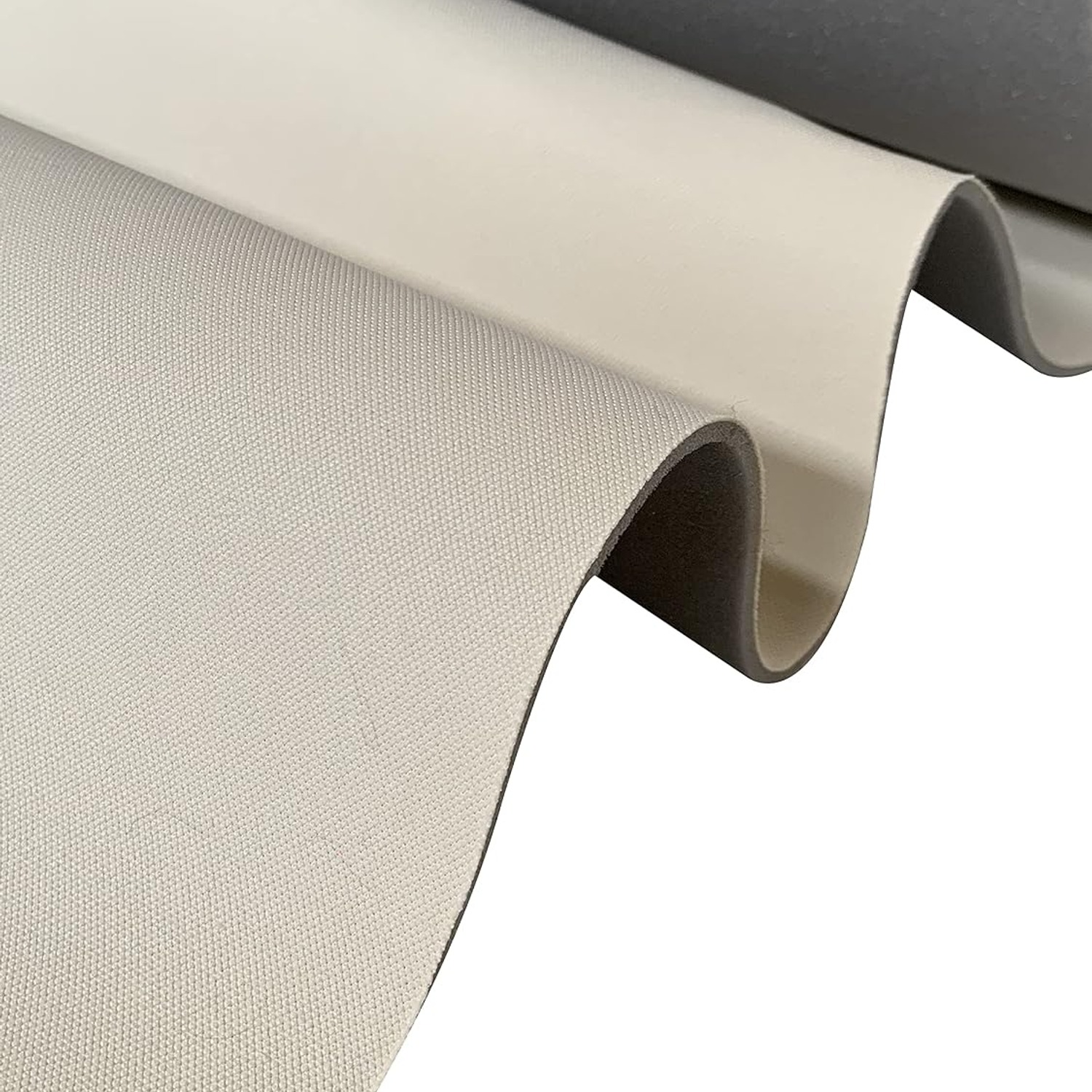
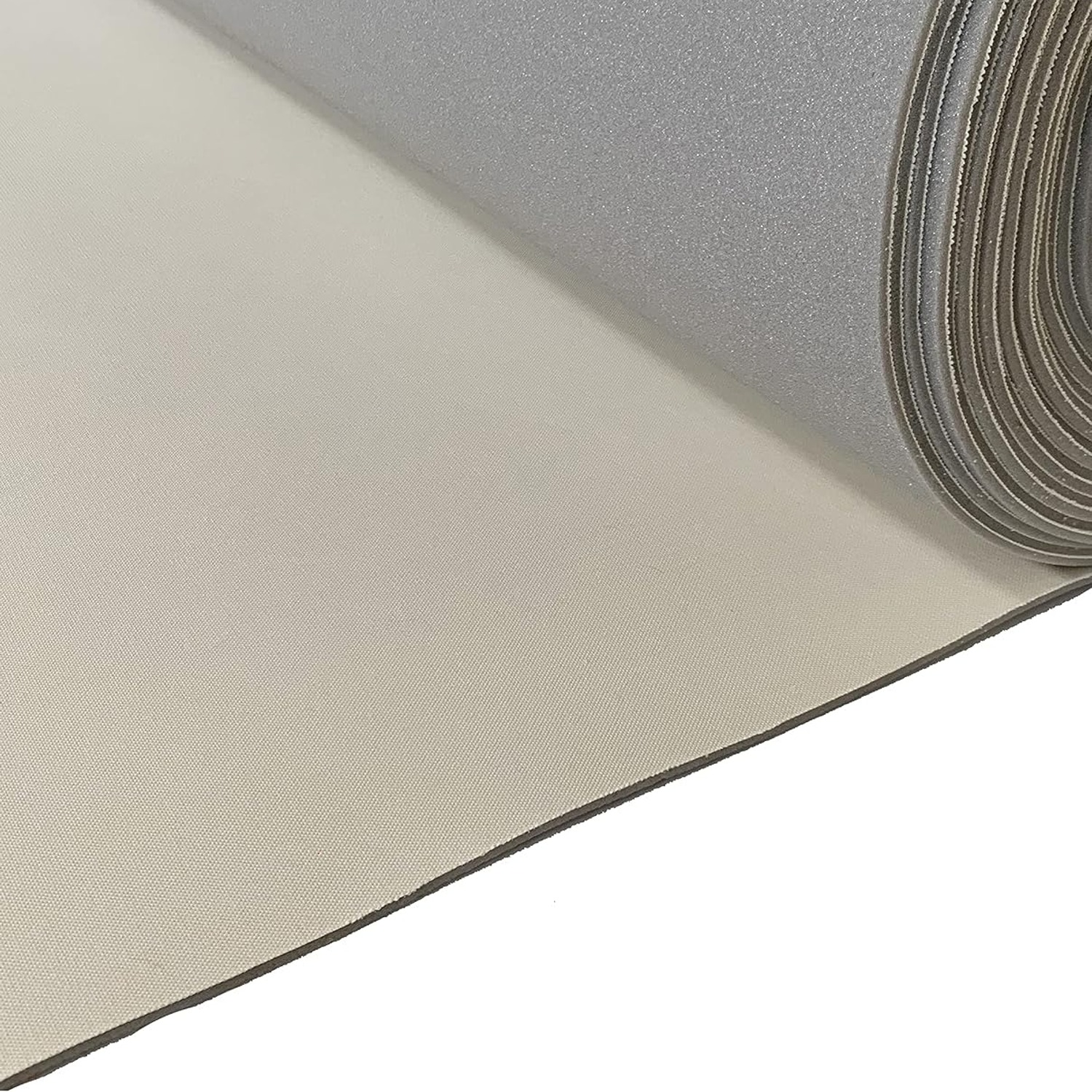
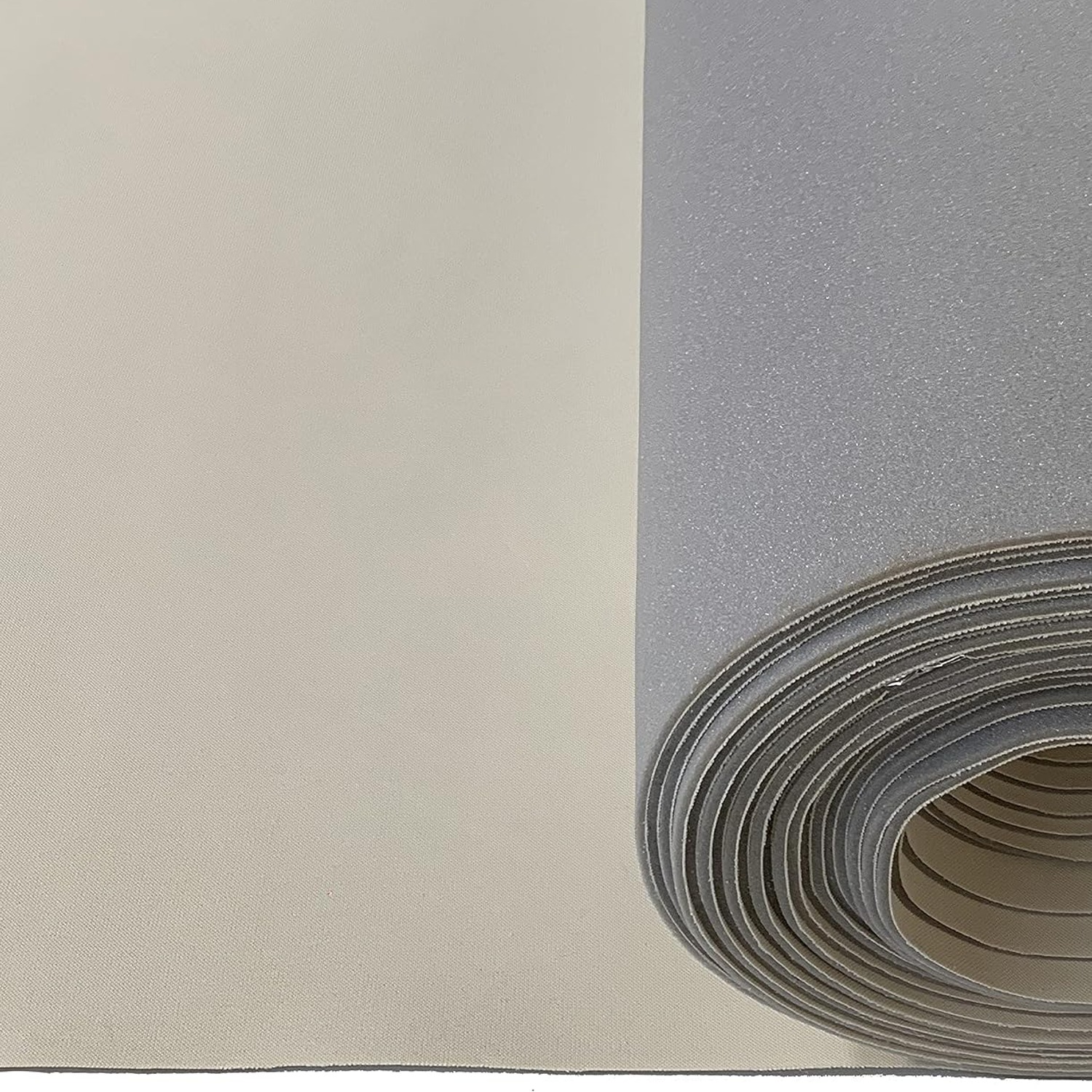
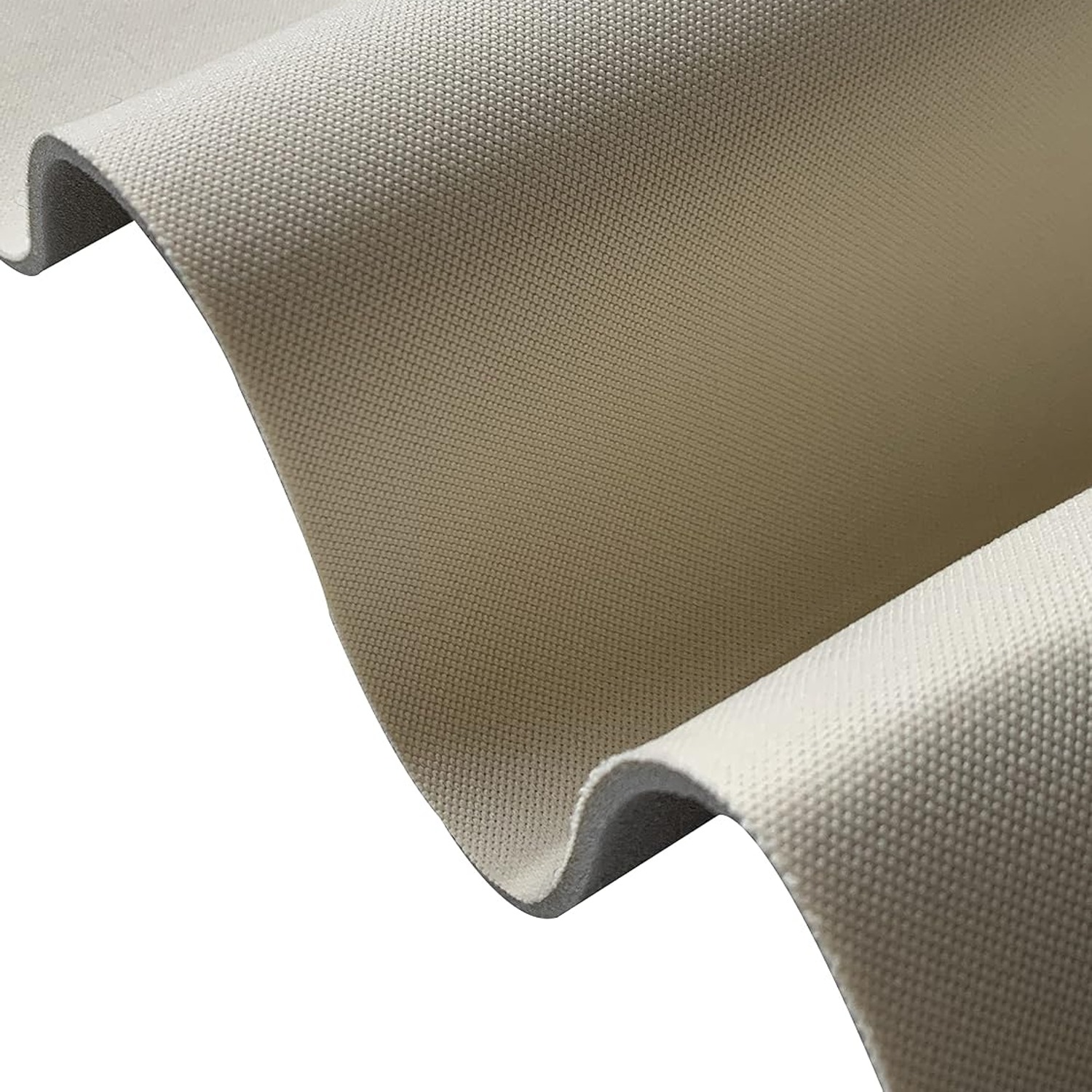
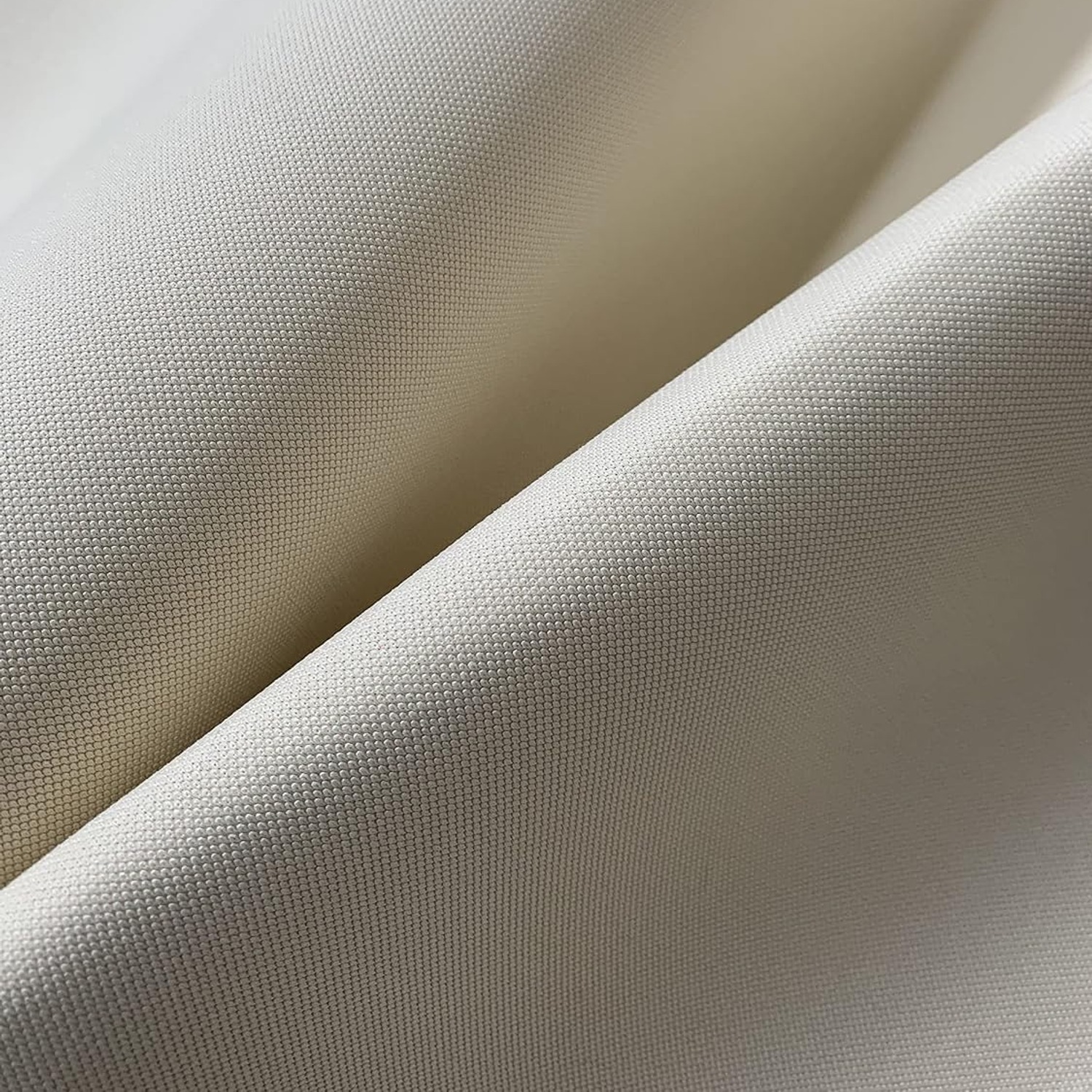
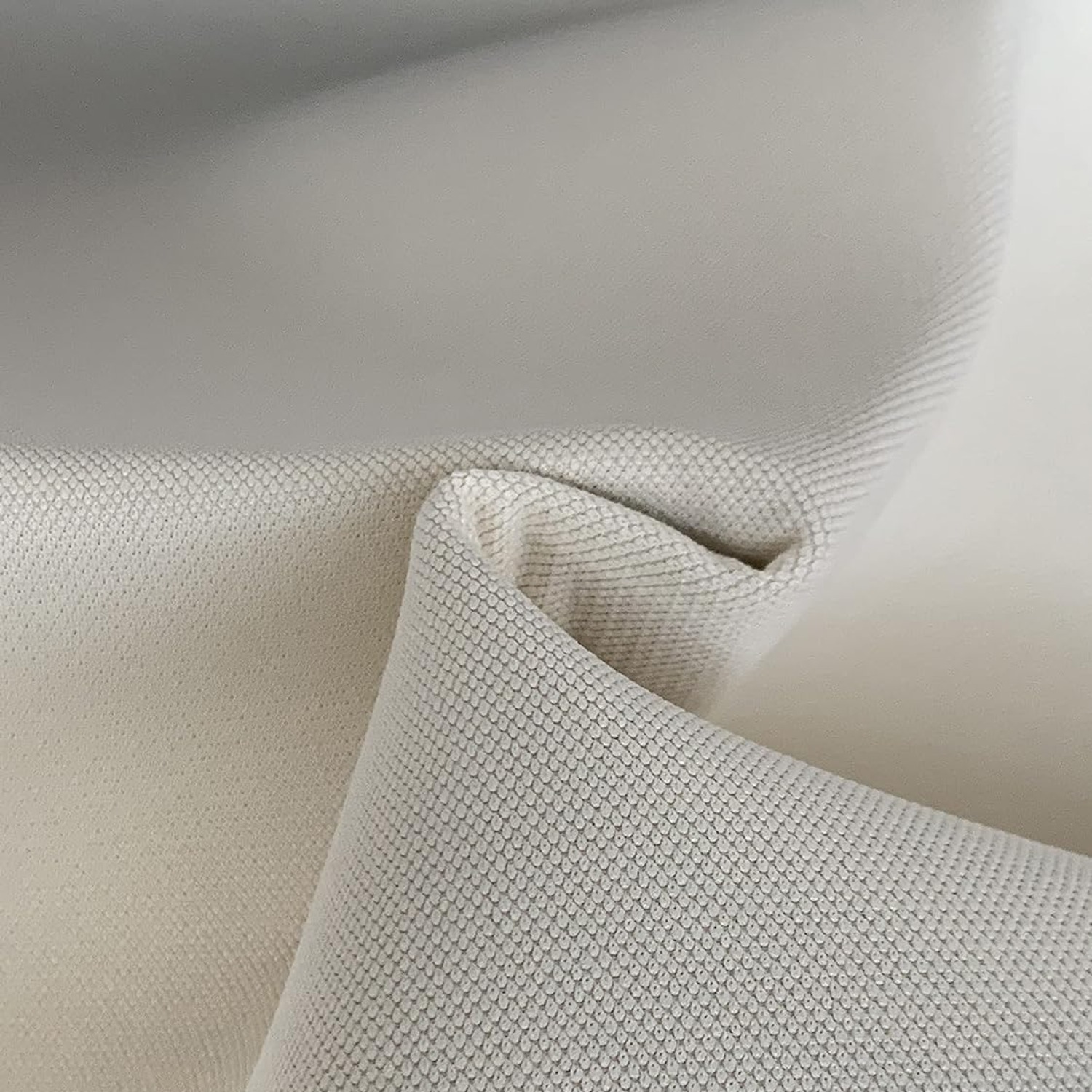
This is fabric for a lining project, not a ready-made replacement roof panel. The face fabric is nylon, and it is bonded to foam backing. The details list a double-napped finish, a twill weave and a solid ivory colour.
That distinction matters when planning the job. A vehicle-specific panel would have a defined shape and fit. This piece needs to be assessed against your own panel, including its corners, openings and edges.
The maker's description is for one fixed-size piece. Even a relatively small roof can need more material than its flat centre section suggests.
What the foam backing means
Foam backed roof lining combines the visible fabric and a backing layer in one material. Here, the foam layer is 2 mm thick. That measurement describes the backing alone, not the total finished thickness.
The fabric still needs a suitable method of attachment. The foam does not mean it is self-adhesive, and adhesive is not listed as part of the supplied item. Before fitting, check that your chosen adhesive is suitable for the nylon face, foam backing and board beneath.
Do not treat the backing thickness as proof of insulation, sound reduction or heat resistance. Those performance figures are not stated. If your build has a specific requirement, ask for confirmation rather than relying on the look or feel of the material.
Measure the panel, not just the visible roof
Start with the surface that will actually be covered. Measure its length and width, then consider where the fabric must follow a curve or wrap around an edge. A visible roof opening may be smaller than the board behind the surrounding trim.
Write your measurements down and compare them with 100 cm by 140 cm. Keep the length and width clear in your notes. Turning the fabric may change how a layout fits, but it does not increase the amount supplied.
A paper pattern can help with an awkward shape. Mark openings and edge folds so you can see where material will be needed. Do not cut the fabric simply to find out whether the layout works.
If a panel only just fits within the stated dimensions, pause and check again. There is no extra allowance stated beyond the supplied piece size.
Decide whether one piece is enough
A 1 metre headliner fabric piece may suit a smaller panel or a defined section of a larger project. Whether it suits yours depends on the actual measurements, not the type of vehicle alone.
For example, a caravan or camper van can contain several separate lining areas. Measure each area on its own. A width that works across one section may not work across the next, especially where fittings or shaped edges change the layout.
If you are considering joins, plan their position before buying. Think about how they will look and how the edges will be secured. The maker does not provide a joining method, so get fitting advice if your design depends on one.
The useful question is not simply whether this is automotive upholstery fabric. It is whether this exact piece fits the panel and method you have chosen.
Choose ivory with the whole interior in mind
Ivory offers a plain, light-coloured option for an interior refresh. This fabric has a solid pattern, so there is no printed design to include in your layout. Still, colour choice deserves a little time.
Look at the trim, seats and surrounding panels together. An ivory roof lining does not have to match every surface exactly, but it should be a deliberate choice. Replacing one small section can make differences between old and new material more noticeable.
Screen settings and room lighting can affect how a product image appears. If an exact match is essential, do not rely on the colour name alone. Resolve any uncertainty before cutting or fitting the piece.
The maker does not state a stain-resistant treatment. Consider that when deciding where a light-coloured lining will work for you.
Check the board before planning the finish
New car headliner material needs a sound basis for installation. Before committing to the job, inspect the existing board and the old lining. Look for areas that need attention and decide whether the board can be reused.
Surface preparation should follow the guidance for your chosen fitting system. Do not assume that sticking new material over an old lining will give a reliable result. The maker does not provide instructions for that approach.
Access also matters. Check the vehicle's service guidance before removing trim, roof fittings or a headliner board. If removal brings you near wiring or safety equipment, use a suitably qualified fitter rather than guessing.
These checks may take longer than choosing the fabric. They are still worth doing before you have a cut piece and an unfinished interior.
Match the material to the project
Cars, caravans, camper vans and custom car projects are listed applications for this fabric. That gives a useful starting point, but it does not establish compatibility with every vehicle or installation.
For a straightforward panel, the main questions may be size, colour and attachment. For a shaped panel, you also need to understand how the material will behave around its contours. Stretch and recovery figures are not stated, so do not assume the fabric will follow deep curves without difficulty.
A camper van conversion may also have material requirements beyond appearance. No fire certification or temperature rating is supplied in the maker's description. Where your build requires documented performance, get that information before choosing the fabric.
The same care applies to uses beyond roof lining. A material described for headliners should not automatically be treated as suitable for seats, floors or outdoor exposure.
Plan the fitting method before cutting
Choose the attachment method before opening a tin or spraying adhesive. Compatibility should cover all the surfaces involved, including the foam. Ask the adhesive maker for advice if that information is unclear.
Read the application instructions in full. Surface preparation, working conditions and setting time belong to the adhesive system, not to the fabric dimensions. No universal fitting schedule is stated for this product.
A dry layout helps you see the job before making permanent changes. Check the direction of the visible finish, the position of openings and the material needed at each edge. Keep tools and the work surface clean, especially with ivory fabric.
If this is your first lining project, consider whether professional fitting would be useful. The material is only one part of the finished result, and an awkward board can make the job more demanding.
Care for the fabric without guessing
The product details list machine washing, but they do not give a temperature, cycle or drying method. That is not enough information to choose a hot wash or tumble-drying setting with confidence.
Confirm suitable conditions before laundering. Also remember that care for loose fabric and care for an installed lining are different questions. Once bonded, the adhesive and board may limit how the surface can be cleaned.
For installed material, follow guidance that suits the whole assembly. Test any cleaner in an inconspicuous area first and avoid harsh rubbing. Do not assume that a cleaner intended for another interior fabric is suitable for this one.
Washing also changes your return position. Inspect the piece and settle any questions about suitability before cleaning it.
Check the order before changing the fabric
When the fabric arrives, inspect it while it is still uncut and unused. Keep the original packaging.
Delivery timing is not specified by the maker. Check the delivery information available when ordering, and avoid booking a fixed fitting date until you know when the material will arrive.
For UK change-of-mind returns, the stated period is 14 days from delivery. The fabric must be unwashed, uncut, unused and in its original packaging. Return postage is paid by the customer.
Faulty or wrongly described goods are put right free of charge. If something seems wrong, contact us before trying to fit, wash or alter the fabric.
The short version
Choose this ivory headliner fabric if your project calls for nylon lining material with 2 mm foam backing and fits within one 100 cm by 140 cm piece.
Measure first, check the board and confirm the fitting method. Keep unknowns such as stretch, temperature performance and total thickness separate from the facts supplied. A clear plan before cutting is the most useful first step towards a tidy interior refresh.