
The complete guide
Choosing and Using Medium Weight Iron-On Interfacing
When fabric needs a little help holding its shape
A fabric can look just right on the cutting table but feel too soft once you start sewing. A collar may fold where you want it to stand, or a button area may need more support than the main cloth provides. Interfacing is a way to add structure only where it is needed.
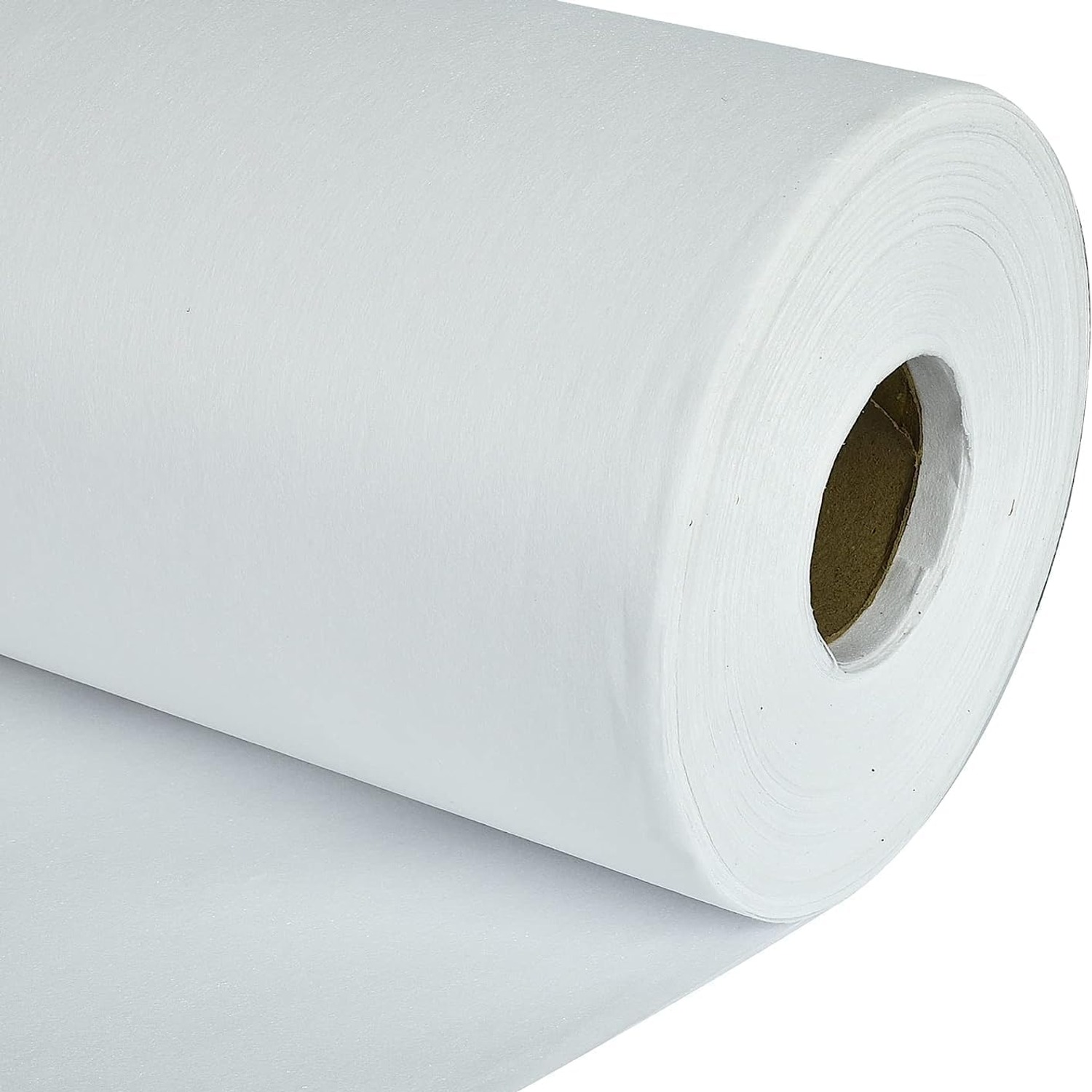
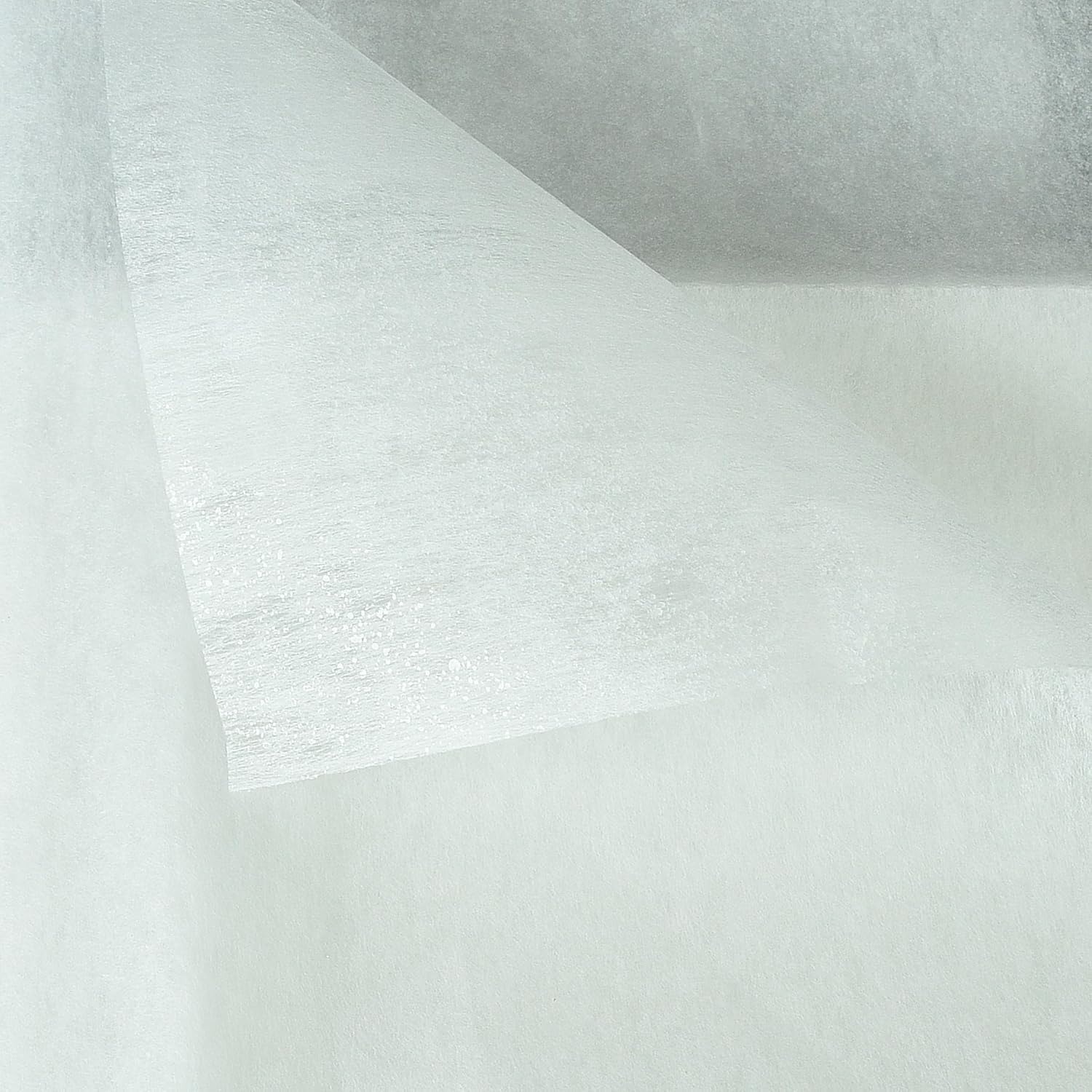
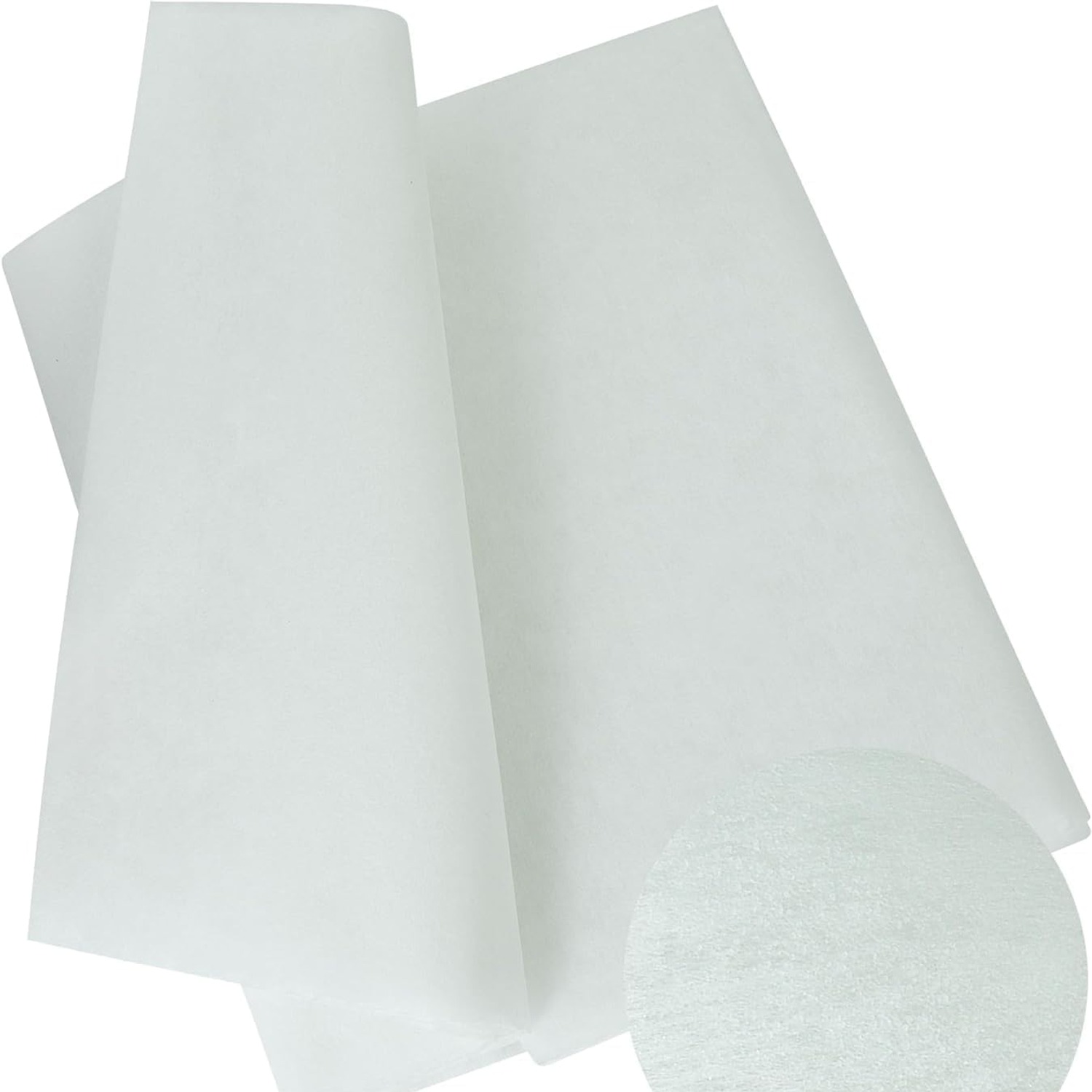
This iron on interfacing is a white, medium weight, non-woven piece with adhesive on one side. It is intended for light and medium-weight fabrics and is listed for dressmaking, tailoring and craft work.
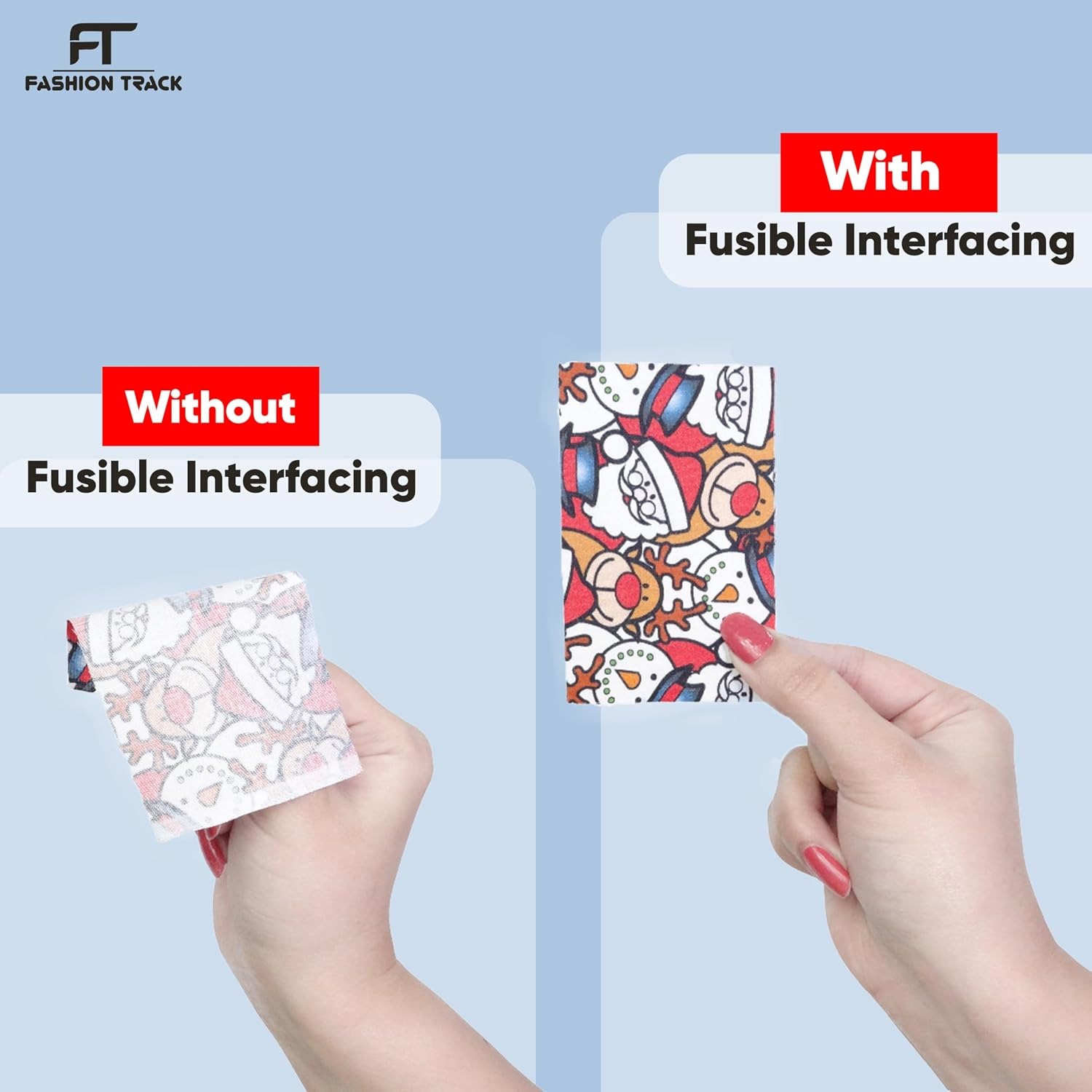
The aim is not to make every part of a project stiff. It is to find the balance between support and movement. That starts with checking your pattern, looking at your main fabric and testing how the two layers feel together.
What you receive
You receive one piece measuring 1 metre long and 90 cm wide. The width is also listed as 36 inches.
Those measurements help you plan before you buy. Lay out the pattern sections that need support and check whether they fit inside that area. Leave room for the cutting instructions in your pattern rather than judging by the size of the finished garment.
The stated fabric weight is 50 g/m². The listed item weight is 50 g. For planning, use the stated length and width.
How fusible interfacing fabric works
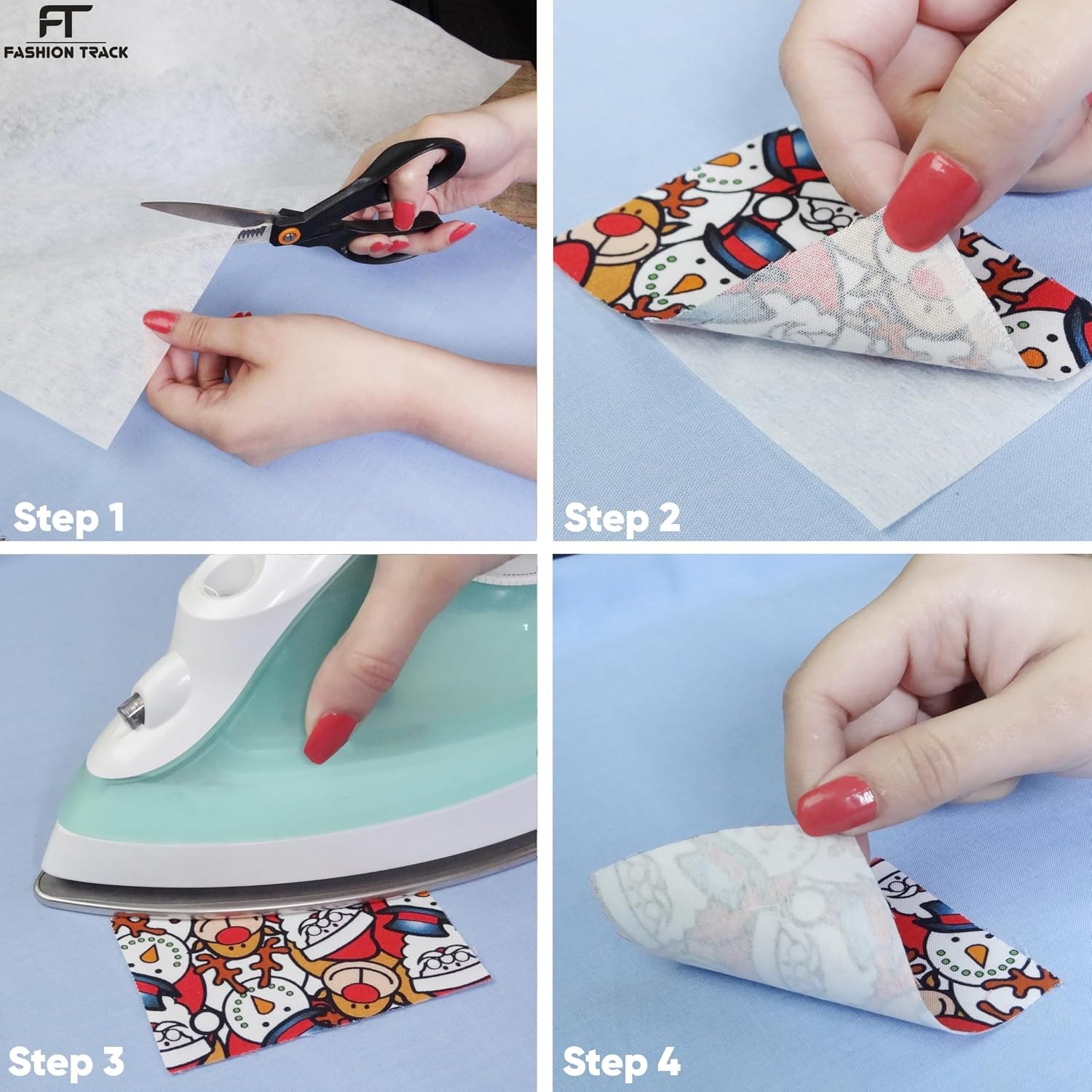
Fusible interfacing fabric uses an adhesive face to attach a supporting layer to suitable cloth. This product has glue on one side only. It is not a double-sided web designed to join two separate fabrics together.
The adhesive side needs to face the fabric being supported. Before pressing, check which face has the adhesive and read any instructions supplied with the piece. Protecting your ironing surface and iron from exposed adhesive is a sensible part of preparation.
A precise pressing temperature, bonding time and steam setting are not given by the maker. There is no reliable universal setting to substitute for those missing details. Confirm the instructions before use and make sure your outer fabric can tolerate the required treatment.
Understanding the material and weight
This non woven interfacing is made from 80% polyester and 20% viscose. It is described as soft and smooth, with a light, thin feel. Its purpose is support rather than padding.
“Medium weight” is a useful starting point, but it does not tell you exactly how every fabric will behave after bonding. A soft fabric may feel quite different once supported. A firmer cloth may show a smaller change.
Look beyond the weight label when choosing dressmaking interfacing. Ask what the finished section needs to do. A collar that should keep a clear outline has a different job from a loose section intended to fall softly. Your pattern's advice is a useful guide.
Where this piece may fit into your sewing
Collars are one of the stated uses. Interfacing for collars can help support the outline, but the finished feel still depends on the outer cloth, the design and the layers involved.
The product is also listed for tailoring, button areas and general sewing. Button area reinforcement may be worth considering where a pattern calls for extra support. Follow the pattern's placement advice rather than adding a large area of backing without a plan.
Craft interfacing has uses beyond garments, too. Applique, quilting and embroidery are included in the product information. Each technique has different demands, so treat those as possible applications rather than a promise that one material suits every project.
Match the interfacing to the main fabric
Begin with the cloth you intend to support. Consider its thickness, drape, colour and response to heat. A fabric that cannot tolerate the bonding process is not a good match for an iron-on product, even if the weight seems right.
For pale or sheer cloth, check whether the white backing is visible. Look at the sample from the right side in the light where the finished item will be worn or used. A change that is hard to see on the ironing board may be clearer when held up.
If your project depends on stretch or a very fluid drape, seek more detail before committing. Stretch properties are not stated for this product. Do not assume that a non-woven backing will move in the same way as your main fabric.
Plan the piece before cutting
A one metre interfacing piece can hold several small sections, but the number depends on their shapes and sizes. Check the layout rather than estimating from garment size alone.
Read the pattern notes for seam allowances and the areas to be interfaced. Some projects use support on selected pieces, while others call for a different approach. There is no need to back every matching layer unless the instructions call for it.
Keep the main piece intact while you decide whether its stated properties suit your needs. This matters for returns as well as cutting accuracy. Once fabric has been cut or used, it no longer meets the stated change-of-mind return conditions.
Make a sample before the final piece
A sample gives you information that a product description cannot. Use a scrap of the actual fabric, not just something similar from your sewing box. Differences in finish and thickness can affect the result.
Once you have confirmed the application instructions, prepare a small test section. Let it cool before judging the bond and feel. Then bend it gently and look at it from the face side.
Check whether the support is even, whether the surface has changed and whether the fabric still moves as you need it to. If the sample is too firm or the backing shows through, reconsider the combination before cutting the main project. A small test is easier to replace than a finished collar.
Press with care rather than guesswork
Good preparation matters when using single sided fusible interfacing. Identify the adhesive face, arrange the layers carefully and make sure no exposed glue can touch the iron.
Follow the product's supplied pressing method. Do not assume that hotter settings or longer pressing will improve the bond. The outer fabric has its own heat limits, and an unsuitable setting can change its surface.
Avoid choosing a steam setting simply because it worked with a different interfacing. Adhesives and fabrics vary. If the maker's details does not answer your questions, ask for guidance before applying heat to important project pieces.
Keep support separate from padding
Interfacing and wadding have different jobs. This product is a thin support layer, not a filling intended to create loft. For a padded project, decide separately what will provide the thickness.
The same care applies when choosing quilting interfacing or a sewing stabiliser for embroidery. Being listed for a technique does not make it interchangeable with every specialist material used in that technique.
Think about the result you need. Shape support, cushioning and temporary stitching support are different requirements. Choose each layer for its job rather than expecting one piece to do everything.
Care, storage and the finished project
Keep unused interfacing clean and dry. Save its packaging and any application notes so they are available when you return to the project later.
The maker does not state a finished washing temperature, tumble-drying setting or dry-cleaning method. Do not assume that the main fabric's usual routine is suitable for the bonded layers.
Before choosing this product for an item that will need frequent washing, confirm the relevant care instructions. A sample made from the actual materials can also help you assess the intended routine once that guidance is known.
Check practical details before ordering
Delivery timing is not stated by the maker. Check the information offered for your address before planning a project around an arrival date.
For change-of-mind returns, the stated period is 14 days from delivery. The fabric must be unwashed, uncut, unused and in its original packaging, and the customer pays return postage. Faulty or wrongly described goods are put right free of charge.
If buying for someone else, check their pattern requirements first. Weight, colour and application method all matter more than simply choosing a general sewing supply.
The short version
Choose this piece when your project calls for white, medium weight iron-on interfacing and the stated 1 metre by 90 cm size fits your layout. Its single-sided adhesive and polyester-viscose non-woven construction are intended to add support to suitable light and medium-weight fabrics.
Check heat compatibility, confirm the pressing instructions and test before working on final pieces. The right choice should support the shape you want without changing the fabric more than your project needs.