
The complete guide
A Buyer's Guide to Plain Cotton Patchwork Squares
Start with the part you want to sew
A patchwork idea often begins with colour. You picture a cushion, a quilt panel or a small bag, then realise how much measuring and cutting comes before the first seam. Buying several lengths of fabric can also leave you with more of each colour than a small project needs.
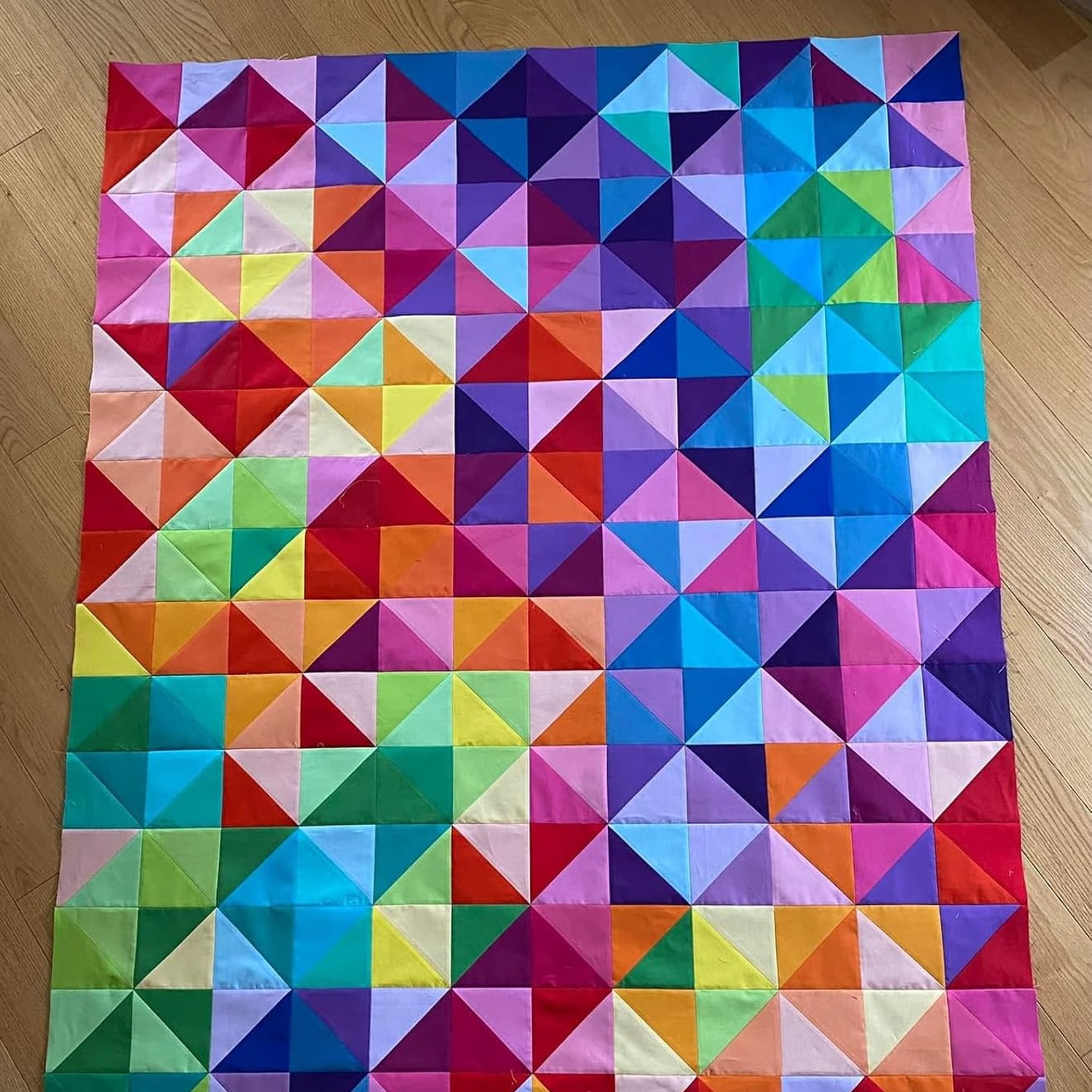
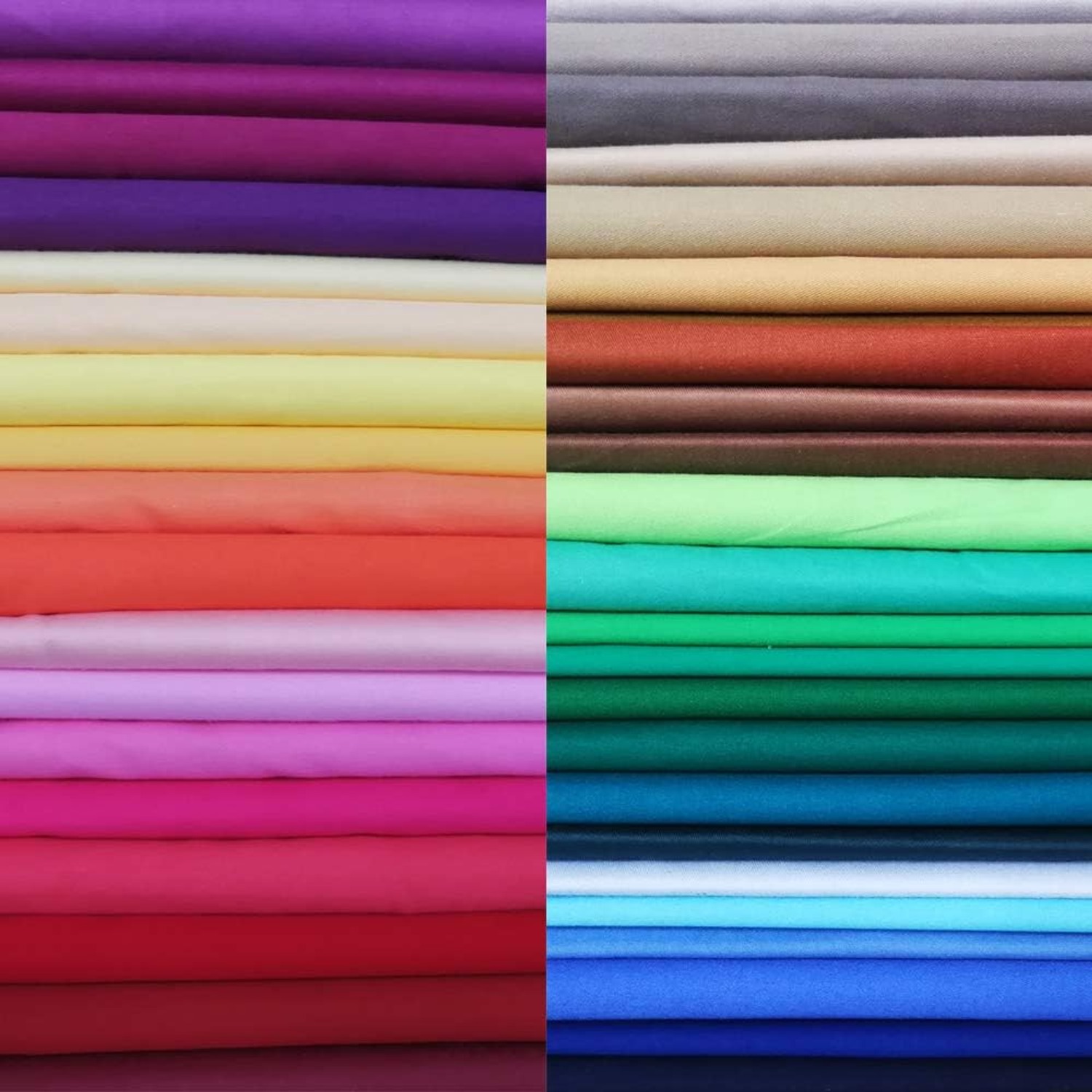
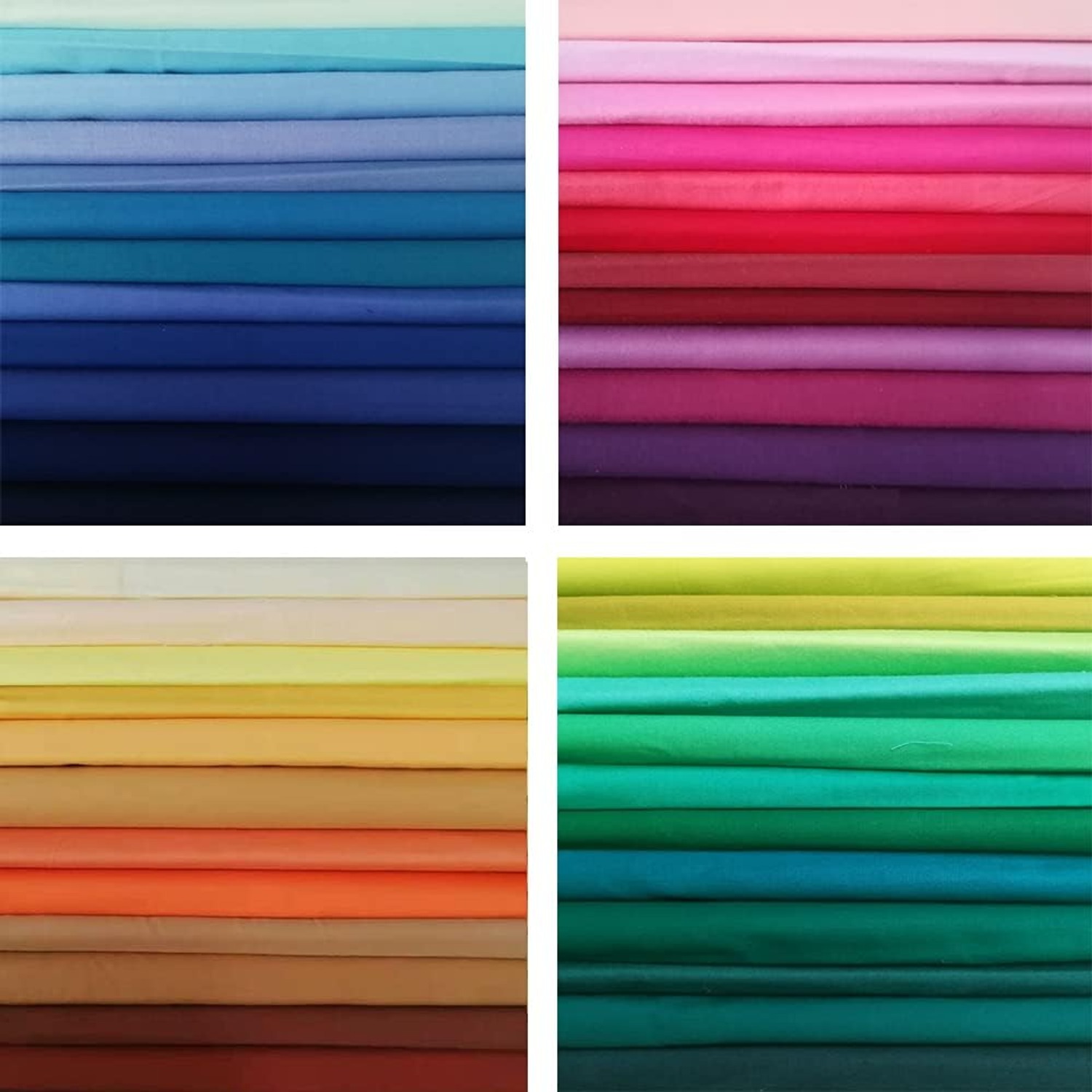
Patchwork squares offer a different starting point. This pack contains 200 pre-cut pieces in 50 plain colours, with four of each colour. You can begin by laying out fabric rather than cutting every square from a larger piece.
The pieces still need planning and sewing. They are not joined together, and the pack is not a complete quilt kit. Think of it as a collection of small fabric building blocks that you can arrange to suit your own pattern.
What you get in the bundle
The assortment is made up of 100% cotton squares with a sateen weave and a stated 200-thread count. The pattern is solid, so the visual effect comes from the colours and the way you place them.
Four pieces of each colour allow some repetition. You might place matching squares at intervals across a panel or save pairs for two related projects. There is enough variety to test several layouts without committing to your first idea.
Exact colour names are not specified. If your project depends on matching an existing fabric, do not assume that a particular shade will be included. A mixed assortment is easier to plan around when you can adjust the design after seeing the actual colours.
The listed pack weight is 240 g. That figure does not tell you the fabric weight per square metre, which is not stated.
Check the size before choosing a pattern
The squares are sold at a nominal size of 10 x 10 cm (4 x 4 in). The detailed item measurements also state 10.2 x 10.2 cm. Those descriptions are close, but a small difference can matter when many seams meet.
Measure several pieces before starting a precise pattern. Check both directions and compare the result with the pattern's required starting size. If the pattern asks for larger pieces, these squares will not replace them without changing the design.
Remember that the cut size is not the finished size. Fabric disappears into the seams on every joined edge. A panel made from ten squares across will therefore be narrower than ten unsewn squares laid edge to edge.
Work out the finished dimensions using your chosen seam allowance. This simple check helps avoid a cushion panel that is too small or a quilt layout that needs an unexpected border.
How plain colours shape a patchwork design
Printed fabric brings its own motifs. Plain quilting squares leave more of the design in your hands. You can draw attention to a line, create blocks of colour or let contrasting pieces sit beside one another.
Start with a small layout on a table or another clean, flat surface. Move the pieces around before joining anything. A colour that feels too strong in one position may work well when repeated elsewhere.
Try looking at the layout from a few steps away. This makes it easier to spot a cluster of dark pieces or a bright square that draws more attention than you intended.
A quick photo can help you compare arrangements. It also gives you a reference if you need to clear the table before sewing. Numbering rows with removable notes is another useful way to keep your plan in order.
Who this pack suits
For a new sewer, pre-cut cotton fabric squares remove one preparation task. You can spend more time practising a consistent seam and learning how rows fit together. A small panel is a manageable place to begin.
More experienced makers may find the assortment useful for colour studies, pieced details and small accessories. The repeated colours can support a planned layout without requiring a large piece of every shade.
This pack is less suited to a design that needs a large quantity of one exact colour. There are only four pieces of each colour in the stated assortment. It also cannot replace a continuous length of fabric for a large, unpieced panel.
The useful question is not whether the pack can make every project. It is whether these small pieces fit the project you actually want to finish.
Choose a first project with clear limits
Small sewing projects let you learn from the fabric before committing the whole bundle. A simple pieced panel can become part of a cushion cover, while a suitable pattern can turn a few squares into a coin bag or small purse.
Check the full materials list before you begin. A cushion cover may need backing and a closure. A quilt needs more than its patchwork top, and a small bag may need lining or other parts.
For a first attempt, choose a design that uses whole squares. Cutting smaller shapes introduces extra measuring and may leave less room to correct an uneven edge.
Keep a few pieces aside for test seams. It is easier to adjust your sewing on a sample than to unpick a long row after every square has been joined.
Plan the quantity rather than guessing
Two hundred pieces sounds generous, but the finished area depends on the seams and layout. A large quilt can use fabric quickly, especially when the pattern calls for repeated blocks or a strict colour sequence.
Sketch your design on paper and count the squares. Then check how many pieces you need of each colour. A layout may fit within the total pack count while still requiring more than four squares of a particular shade.
You can change the plan by spreading repeated colours farther apart or using other fabric for borders and backing. Those extra materials are separate purchases, so include them in your budget from the start.
Allow room for mistakes too. If every piece has a fixed place, a damaged cut or unsuccessful seam may mean changing the layout. A slightly smaller first project leaves more freedom.
Sew a sample before joining the full panel
Whether you prefer hand sewing fabric or working at a machine, begin with a test. Join two pieces using the method and seam allowance you plan to use throughout.
Open out the sample and check its size. Look at whether the edges line up and whether the seam lies as you want it to. Make any adjustments before repeating the same process across a whole row.
When joining rows, keep checking against your layout photo. It is easy to reverse a row or move a matching colour into the wrong position.
Work at a pace that lets you check each stage. Pre-cut fabric saves some preparation, but careful sewing still determines how neatly the finished pieces meet.
Washing and care need a little planning
Machine washing and hand washing are both listed care options. The maker does not give a wash temperature, drying method, shrinkage rate or colourfastness result.
Test a small sample before washing the whole assortment. This is particularly useful if you plan to combine dark and pale fabric, or if the finished item must hold a precise size after washing.
Decide whether to prewash before you cut further or sew. If a sample changes size, use that information when planning your project. Handle the small pieces gently so that you do not make extra work for yourself at the edges.
Once the fabric becomes part of a finished item, its care needs also depend on the other materials. Backing, filling and fastenings may need different treatment from the cotton itself.
Think about the finished use
Cotton craft squares can form part of many sewn items, but a suggested project is not a safety claim. Choose materials for the job the finished item will do.
For example, cotton alone should not be treated as heat protection in a potholder. A project intended for hot objects needs an appropriate design and suitable protective materials.
The same care applies to toys. No toy safety certification is stated for this fabric. Consider the finished construction, attachments and intended user rather than assuming that any sewn item is suitable for a child.
For everyday decorative projects, focus on fit, seams and care. These practical details matter more than how many project ideas a bundle might inspire.
Check the pack before changing it
When the fabric arrives, count the pieces, review the colours and measure a sample. Compare what you received with the project you have planned before washing or cutting.
Delivery lead time is not specified by the maker. Check the information for your address before ordering, especially if the fabric is intended for a gift or a project with a deadline.
Returns are available within 14 days of delivery when the fabric is unwashed, uncut, unused and in its original packaging. The customer pays return postage. Faulty or wrongly described goods are put right free of charge.
Keeping the bundle unchanged while you assess it preserves your options. Contact us before sending anything back.
The short version
These cotton patchwork squares give you 200 ready-cut pieces across 50 plain colours. They suit projects where small blocks and colour variety are useful, from quilt panels to small sewn accessories.
Check the actual size, count your colour needs and test a seam before starting. With that preparation done, you can spend more of your project time arranging and sewing the fabric.